Системам противопожарной защиты редко выпадает второй шанс. При возникновении пожара каждый компонент должен сработать мгновенно. Среди этих компонентов посадочные клапаны играют тихую, но решающую роль. Выбор неправильного поставщика может привести к утечкам, потере давления или нарушению нормативных требований. С другой стороны, выбор правильного партнера-производителя повышает уверенность, безопасность и долгосрочную ценность.
Для вас, как дистрибьютора, подрядчика, инженера или владельца здания, решение выходит далеко за рамки цены. Оно включает в себя стандарты, материалы, последовательность и доверие. Это руководство объясняет, как профессиональные покупатели оценивают производителей посадочных клапанов с практической, деловой точки зрения. Цель проста: помочь вам избежать дорогостоящих ошибок и найти надежного долгосрочного партнера.
Производители посадочных клапанов
Производители посадочных клапанов занимают центральное место в цепочках поставок промышленных и коммерческих систем противопожарной защиты. Они превращают необработанные металлы в оборудование для спасения жизни, которое должно работать под давлением, в условиях высокой температуры и стресса. В силу такой ответственности не все производители работают на одном уровне дисциплины и возможностей.
Из первых рук при проверке заводов и сотрудничестве по проектам становится очевидной одна истина. Сильный производитель не просто производит арматуру, он обеспечивает повторяющуюся безопасность. Это означает стабильные материалы, контролируемые процессы и документированные испытания. Многие покупатели полагают, что все противопожарные клапаны выглядят одинаково. Однако отделка внутреннего отверстия, точность уплотнения и допуск на резьбу часто отделяют надежные изделия от рискованных.
Для покупателей B2B выбор производителя также влияет на репутацию. Если проект проходит инспекцию без проблем, кредит течет вниз по течению. В случае неудачи ответственность наступает быстро и часто болезненно. Поэтому выбор компетентного производственного партнера защищает не только активы, но и профессиональный авторитет.
Понимание контекста отрасли противопожарной защиты
Прежде чем приступить к оценке поставщиков, необходимо понять, какое место занимают посадочные клапаны в более широкой экосистеме противопожарной защиты. Эти клапаны соединяют шланги с водопроводом в стояках, на заводах, складах, кораблях и в высотных зданиях. Они должны обеспечивать стабильный поток воды и при этом легко управляться в чрезвычайных ситуациях.
Поскольку пожарные системы состоят из множества компонентов, совместимость имеет большое значение. Клапаны должны быть согласованы с трубами, шлангами, насосами и номинальным давлением. Производитель с большим опытом работы в отрасли понимает эти взаимозависимости. В результате их продукция легко интегрируется в сложные системы.
В отличие от этого, на заводах, не имеющих опыта работы с пожарными системами, к посадочным клапанам часто относятся как к обычным металлическим деталям. Такое отношение повышает риск. Опытные производители разрабатывают клапаны с учетом реальных условий эксплуатации, включая эргономику пожарных, доступ к обслуживанию и длительный срок службы.
Соответствие стандартам и сертификатам пожарной безопасности
Соответствие стандартам не подлежит обсуждению. Пожарные органы и страховые компании требуют доказательств того, что каждый компонент соответствует признанным стандартам. Авторитетные производители разрабатывают и тестируют продукцию в соответствии с такими стандартами, как UL, FM, EN, BS, или местными пожарными нормами.
При проверке поставщиков требуйте копии сертификатов, а не словесные заверения. Проверьте, распространяются ли сертификаты именно на ту модель продукта, которую вы планируете приобрести. Также уточните срок действия. Сертификаты с истекшим сроком действия могут задержать утверждение и привести к дорогостоящим переделкам.
Кроме того, опытные производители понимают, как различаются стандарты в разных регионах. Эти знания помогут вам избежать несоответствий при экспорте или поставках в рамках многонациональных проектов. Знания о соответствии стандартам становятся услугой, а не просто галочкой.
Производственные возможности и технический опыт
Производство огнезадерживающих клапанов требует большего, чем простое литье. Точная механическая обработка, обработка поверхности и испытание давлением - все это влияет на характеристики. Способный производитель вкладывает средства в оборудование с ЧПУ, калиброванные испытательные стенды и квалифицированный технический персонал.
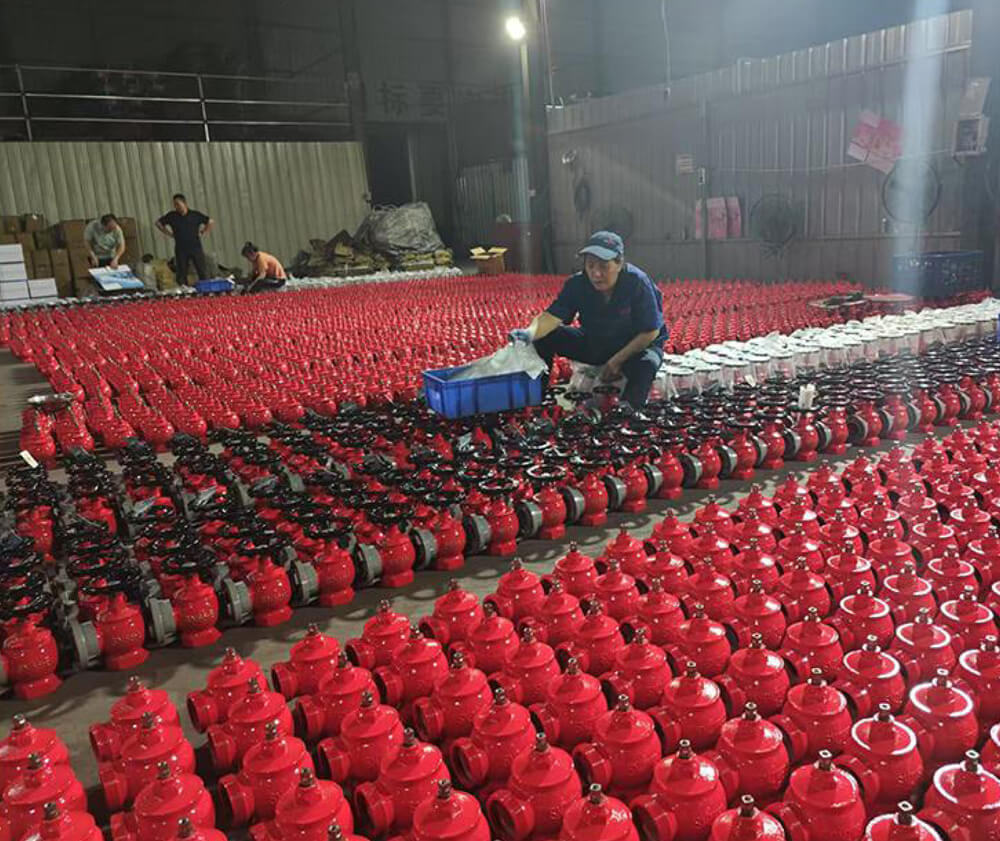
Во время осмотра завода обратите внимание на дисциплину рабочего процесса. Организованные производственные линии, четкий контроль процессов и прослеживаемые записи о партиях свидетельствуют о зрелости производства. Эти факторы снижают вариативность и улучшают согласованность партий.
Не менее важна и глубина инженерных разработок. Производители со штатными инженерами могут оптимизировать проточные каналы, снизить потери давления и быстро ответить на технические вопросы. Такая поддержка становится ценной, когда проекты сталкиваются с уникальными ограничениями.
Выбор материала и соображения по поводу долговечности
Выбор материала напрямую влияет на срок службы и безопасность. К распространенным материалам относятся пушечная сталь, бронза и латунные сплавы. Каждый из них обладает различной коррозионной стойкостью, прочностью и стоимостью.
Надежный производитель объясняет, почему используются те или иные материалы, а не дает расплывчатые ответы. Для прибрежной или влажной среды коррозионная стойкость становится критически важной. В промышленных условиях выбор материала может быть обусловлен давлением и химическим воздействием.
Попросите предоставить сертификаты на материалы и подробную информацию о составе. Прозрачность повышает доверие. Со временем правильный выбор материала снижает протечки, затраты на обслуживание и замену.
Дизайн, эргономика и удобство использования
В чрезвычайных ситуациях удобство использования имеет значение. Пожарные и сотрудники служб безопасности должны быстро управлять клапанами, часто в стрессовой ситуации. Такие детали конструкции, как захват рукоятки, момент открытия и четкая маркировка, имеют реальное значение.
Опытные производители проводят анализ удобства использования на стадии проектирования. Они проверяют силу открытия, надежность уплотнения и производительность потока. Результатом этих усилий становятся клапаны, которые безотказно работают даже после многих лет бездействия.
Для вас лучший дизайн снижает ответственность и повышает удовлетворенность пользователей. Кроме того, он способствует более гладкому проведению проверок и согласований.
Системы управления качеством и тестирования
Качество - это не случайность. Оно является результатом систем, дисциплины и подотчетности. Сильные производители работают в рамках сертифицированных ISO систем управления качеством и проводят плановые проверки на каждом этапе.
Испытания обычно включают в себя проверку гидростатического давления, проверку на герметичность и проверку размеров. Некоторые заводы также проводят циклические испытания на выносливость для имитации длительного использования.
Запросите отчеты об испытаниях и ознакомьтесь с методами отбора проб. Последовательное тестирование защищает вашу цепочку поставок и обеспечивает надежность продукции при крупных заказах.
Производственные мощности и надежность поставок
Даже самый лучший дизайн не сработает, если поставки будут срываться. Производственные мощности определяют, сможет ли производитель поддержать ваш рост. Оцените ежемесячный объем производства, стабильность рабочей силы и источники сырья.
Надежные производители поддерживают буферные запасы критически важных компонентов. Они также четко сообщают о сроках поставки и возможных задержках. Такая прозрачность позволяет вам с уверенностью планировать проекты.
Стабильная работа по доставке укрепляет партнерские отношения и снижает напряжение в вашей деятельности.
Поддержка персонализации, OEM и брендинга
Многим покупателям B2B требуется индивидуальная арматура, частные этикетки или специальная упаковка. Не все заводы хорошо справляются с индивидуальными заказами. Те, кто справляется, относятся к ней как к структурированному процессу, а не как к исключению.
Производители, готовые к OEM-производству, предлагают подтверждение чертежей, утверждение образцов и контроль изменений. Такая структура сводит к минимуму недоразумения и обеспечивает стабильность результатов.
Поддержка персонализации позволяет вам выделить свой бренд, опираясь при этом на проверенную производственную базу.
Послепродажное обслуживание и техническая помощь
Отношения не заканчиваются на отгрузке. Послепродажная поддержка имеет большое значение, особенно для крупных объектов. Надежные поставщики предоставляют запасные части, рекомендации по установке и помощь в устранении неполадок.
Быстрое реагирование укрепляет доверие. При возникновении проблем оперативно реагирующие технические команды не дают мелким проблемам разрастаться. Со временем такая поддержка снижает общую стоимость владения.
Баланс между стоимостью и долгосрочной ценностью
Цена всегда имеет значение. Однако ориентация только на удельную стоимость часто приводит к большим расходам впоследствии. Некачественные клапаны могут не пройти проверку, потребовать досрочной замены или испортить репутацию.
Вместо этого оцените общую стоимость. Учитывайте долговечность, соответствие требованиям, сервисную поддержку и надежность поставок. Эти факторы часто перевешивают небольшую разницу в цене.
Разумные покупатели рассматривают пожарные клапаны как долгосрочные инвестиции в безопасность, а не как краткосрочную покупку.
Оценка глобального опыта и экспортного потенциала
Для международных проектов опыт работы с экспортом имеет решающее значение. Производители, знакомые с глобальными перевозками, документацией и региональными стандартами, уменьшают количество трудностей.
Узнайте о прошлых экспортных рынках и референтных проектах. Опыт работы с инспекциями, упаковкой и таможенными требованиями упрощает цепочку поставок.
Глобальная компетентность повышает устойчивость вашей стратегии поиска поставщиков.
Красные флажки, которых следует избегать
Некоторые предупреждающие знаки должны заставить вас насторожиться. К ним относятся расплывчатые заявления о сертификации, несоответствующие образцы, плохая связь или нежелание делиться данными испытаний. Хотя любой поставщик может давать обещания, надежные производители подкрепляют слова документами и процессами.
Еще один тревожный сигнал появляется, когда цена кажется нереально низкой. На первый взгляд она может показаться привлекательной. Однако за такой ценой часто скрываются упущения в материалах, испытаниях или трудозатратах. Со временем эти упущения проявляются в виде протечек, неисправностей или отказов в проверке.
Кроме того, следите за нестабильностью сроков поставки. Если сроки поставки часто меняются без видимых причин, это может свидетельствовать о слабом планировании производства. Аналогичным образом, высокая текучесть кадров в отделах продаж или инженерных группах может свидетельствовать о внутренних проблемах в управлении.
Наконец, будьте осторожны, если фабрика сопротивляется аудиту или избегает технических вопросов. Прозрачность отражает доверие. Если поставщики колеблются, это часто означает, что системы не до конца отлажены. Избегая слабых партнеров, вы защищаете безопасность, репутацию и долгосрочную стабильность бизнеса.
Вопросы и ответы
Какие сертификаты должен предоставить надежный поставщик противопожарных клапанов?
Надежный поставщик должен предлагать действительные сертификаты, такие как UL, FM или EN, в зависимости от рынка. Эти документы должны соответствовать точной модели продукта и оставаться актуальными, чтобы избежать проблем с соответствием при проверках.
Насколько важен аудит завода перед размещением оптовых заказов?
Аудиторские проверки заводов выявляют реальные возможности, не ограничиваясь брошюрами. Они помогают оценить контроль процессов, дисциплину испытаний и стабильность персонала. Аудиты снижают риск, особенно при долгосрочном или крупносерийном сотрудничестве.
Может ли изготовление на заказ повлиять на качество продукции или сроки выполнения заказа?
При правильном управлении кастомизация не снижает качество. Структурированные OEM-процессы часто позволяют сохранить качество при незначительном увеличении времени выполнения заказа. Четкие чертежи и согласования позволяют контролировать и предсказывать изменения.
Почему выбор материала имеет значение для посадочных клапанов?
Выбор материала влияет на коррозионную стойкость, работу под давлением и срок службы. Правильный выбор сплава снижает потребность в техническом обслуживании и обеспечивает надежную работу в конкретных условиях.
Как послепродажное обслуживание может повлиять на общую стоимость?
Сильная послепродажная поддержка минимизирует время простоя, ускоряет устранение неполадок и продлевает срок службы продукта. Со временем эта услуга снижает общую стоимость владения, несмотря на несколько более высокие начальные цены.
Рискованно ли часто менять производителя?
Частые изменения увеличивают кривые обучения и разброс качества. Долгосрочные партнерские отношения улучшают согласованность, коммуникацию и взаимопонимание, что приводит к лучшим результатам.
Заключение
Выбор правильного партнера-производителя - это как техническое, так и стратегическое решение. Системы противопожарной защиты требуют надежности, соответствия и последовательности. Оценивая возможности, стандарты, материалы и поддержку, вы защищаете людей, имущество и профессиональную репутацию.
Для покупателей B2B, инженеров и владельцев зданий осознанный выбор поставщика превращает закупки в управление рисками. Если все сделано правильно, это создает уверенность в себе, которая становится сильнее, когда это имеет наибольшее значение.