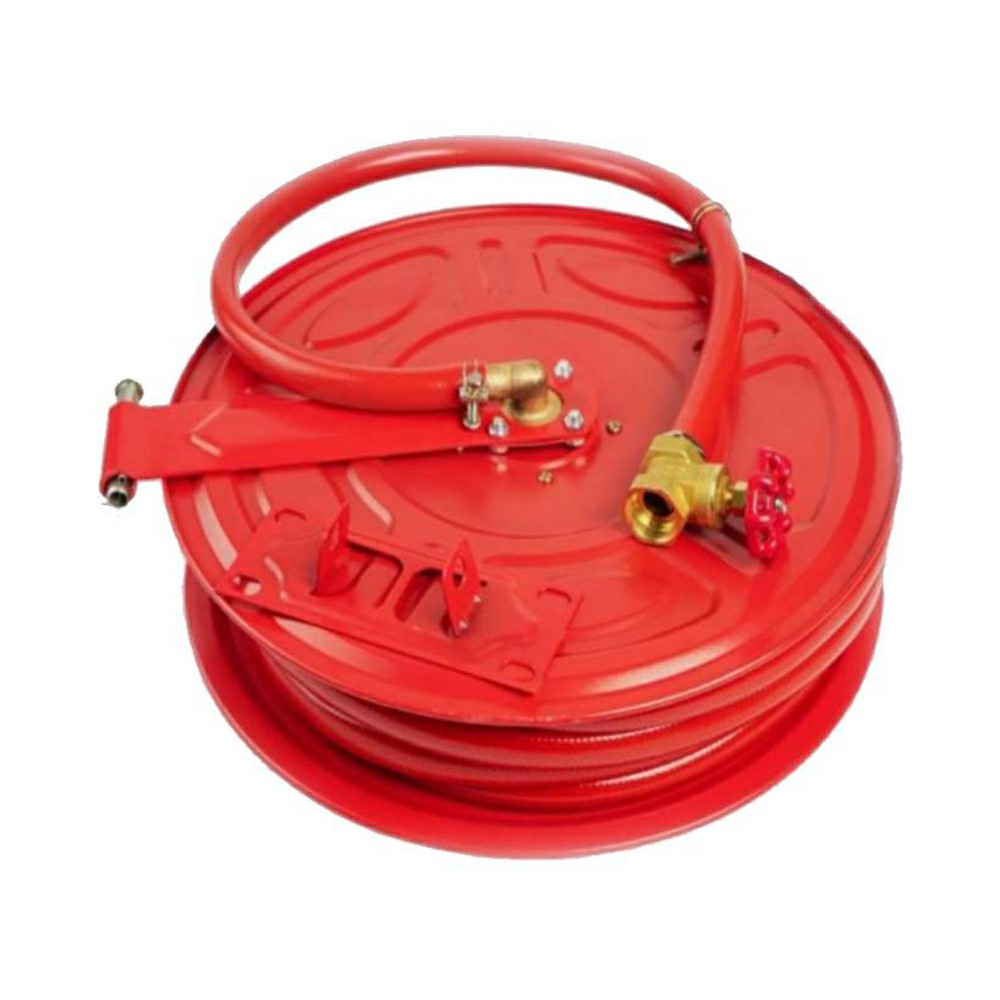
La sécurité incendie est une affaire sérieuse. On ne peut pas faire l’impasse sur la qualité lorsque des vies et des biens sont en jeu. En tant que distributeur, entrepreneur ou chef de projet, votre réputation dépend des équipements que vous fournissez. Si un produit tombe en panne lors d’une situation d’urgence, les conséquences peuvent être catastrophiques. C’est précisément pour cette raison que trouver le partenaire de production idéal est votre priorité absolue. Vous avez besoin d’un équipement anti-incendie fiable fabricant d'enrouleurs de tuyaux afin de garantir une sécurité optimale et la croissance de l'entreprise.
Le marché regorge actuellement d’innombrables fournisseurs. Certains sont d’excellentes usines, tandis que d’autres ne sont que des intermédiaires qui prélèvent une commission. Pour s’y retrouver dans ce paysage complexe, il faut faire preuve d’une grande perspicacité et disposer d’une stratégie solide. Vous recherchez un partenaire qui comprenne les exigences spécifiques de votre marché. Vous avez également besoin d’un partenaire capable de garantir une qualité constante sur chaque palette. Ce guide complet vous accompagnera tout au long du processus de sélection. Nous vous dévoilerons précisément ce que vous devez rechercher, les questions à poser et comment éviter des erreurs d’approvisionnement coûteuses. Entrons dans les détails et sécurisons votre chaîne d’approvisionnement.
Fabricant de dévidoirs pour tuyaux d'incendie
Trouver un fabricant de dévidoirs pour tuyaux d'incendie de classe mondiale, c'est comme trouver de l'or. Un véritable fabricant maîtrise l'ensemble du processus de production, du début à la fin. Il ne se contente pas d'assembler des pièces achetées auprès d'ateliers choisis au hasard. Au contraire, il gère sous un même toit l'estampage des matières premières, la soudure, le revêtement et l'assemblage final. C'est ce niveau de contrôle qui garantit une qualité constante pour vos commandes en gros.
Lorsque vous traitez directement avec une usine, vous bénéficiez de plusieurs avantages considérables. Tout d’abord, vous éliminez les intermédiaires. Cela améliore instantanément vos marges bénéficiaires. Vous pouvez proposer des tarifs plus compétitifs à vos entrepreneurs locaux et remporter davantage d’appels d’offres. Ensuite, la communication est directe et très efficace. Si vous avez besoin d’une modification spécifique, vous vous adressez directement aux ingénieurs. Il n’y a pas de place pour les ambiguïtés.
Cependant, il peut être difficile de repérer une véritable usine sur Internet. De nombreuses sociétés commerciales se font passer pour de véritables fabricants. Vous devez demander à visionner des visites vidéo de leurs chaînes de production. Demandez à voir leurs entrepôts de matières premières. Une véritable usine vous montrera fièrement ses presses à estamper et ses lignes de thermolaquage. Elle disposera également d’un laboratoire d’essais dédié sur place. S’associer à un fabricant légitime confère à votre entreprise un avantage concurrentiel considérable. Cela vous garantit une source stable et fiable d’équipements vitaux pour les années à venir.
Comprendre les besoins de votre fournisseur de systèmes de protection incendie pour les locaux commerciaux
Avant même d'envoyer la moindre demande de devis, vous devez faire le point en interne. Vous devez bien cerner les exigences de votre propre marché. Les réglementations en matière de sécurité varient considérablement d'une région à l'autre. Ce qui fonctionne parfaitement en Europe pourrait ne pas passer les contrôles au Moyen-Orient ou en Amérique du Nord. Vous devez connaître sur le bout des doigts les codes de construction locaux.
Commencez par analyser les types spécifiques d'enrouleurs que vos clients recherchent. Ont-ils besoin d'enrouleurs fixes ou de bras pivotants ? De vannes manuelles ou de configurations automatiques ? Vous devez également tenir compte des diamètres et des longueurs spécifiques des tuyaux. Les longueurs habituelles sont de 25 ou 30 mètres, mais certains sites spécialisés nécessitent des longueurs sur mesure. Connaître ces détails permet d'éviter des malentendus coûteux avec votre fournisseur.
De plus, tenez compte de l’environnement d’utilisation final. Fournissez-vous des immeubles de bureaux ou des environnements maritimes industriels difficiles ? C’est l’application qui détermine les spécifications matérielles requises. Un fournisseur de systèmes de protection incendie pour le secteur commercial qui comprend ces nuances constitue un atout précieux. Il doit agir en tant que consultant, et non pas simplement comme un exécutant. Il doit analyser vos besoins et vous proposer les solutions les plus efficaces. Lorsque vous savez exactement ce qu’exige votre marché, l’évaluation des partenaires industriels potentiels devient nettement plus aisée. Vous pouvez immédiatement écarter les fournisseurs qui ne sont pas en mesure de répondre à vos besoins techniques spécifiques.
Principales certifications et normes de qualité ISO à prendre en compte
Vous ne devez en aucun cas faire de compromis sur les certifications. Dans le secteur de la sécurité B2B, un équipement non certifié est totalement inutile. Il expose votre entreprise à d’énormes risques juridiques. L’usine que vous choisirez devra disposer des certifications internationales et régionales requises. Cela prouve que ses produits sont réellement capables de résister aux pressions extrêmes d’une situation d’urgence réelle liée à un incendie.
Avant tout, vérifiez que l’usine dispose de la certification ISO 9001. Celle-ci atteste que l’usine dispose d’un système de gestion de la qualité normalisé. Cela signifie qu’elle respecte des protocoles stricts pour chaque lot produit. Au-delà des audits d’usine, les produits eux-mêmes doivent obtenir des homologations spécifiques. Si vous vendez en Europe, les dévidoirs doivent porter le marquage CE et être strictement conformes à la norme EN 671-1. Pour les autres marchés mondiaux, les homologations UL (Underwriters Laboratories), FM ou LPCB sont souvent obligatoires.
Vous devriez également vérifier ces certificats par vous-même. Malheureusement, les faux certificats constituent un véritable problème dans le domaine de l'approvisionnement international. Demandez à l'usine les numéros de ses certificats. Vérifiez ensuite ces numéros sur les sites web officiels des organismes émetteurs. Un fabricant digne de confiance se fera un plaisir de vous aider à vérifier ses références.
Voici un tableau de référence rapide des normes courantes du secteur :
| Certification | Région / Champ d'application | Priorité accordée aux exigences clés |
| ISO 9001 | Production mondiale | Gestion de la qualité et homogénéité en usine. |
| EN 671-1 | Europe / International | Conception et performances spécifiques des enrouleurs de tuyaux. |
| UL / FM | Amérique du Nord / Monde | Des essais de pression et de résistance extrêmement rigoureux. |
| LPCB | Royaume-Uni / Moyen-Orient | Certification de haut niveau en matière de sécurité incendie délivrée par un organisme tiers. |
| Marquage CE | Espace économique européen | Santé, sécurité et protection de l'environnement. |
Pour obtenir des informations plus détaillées sur les codes de prévention des incendies à l'échelle mondiale, vous pouvez toujours consulter des organismes tels que le Lignes directrices de la NFPA. Le respect de ces normes vous garantit de toujours fournir à vos clients des produits conformes, sûrs et fiables.
Évaluation des matériaux et de la durabilité des enrouleurs de tuyaux à usage intensif
Les matériaux utilisés dans la fabrication déterminent la durée de vie du produit. Les environnements industriels sont extrêmement rudes. Votre équipement sera exposé à l'humidité, à la poussière, aux variations de température et, parfois, à des produits chimiques corrosifs. Si une usine utilise des métaux bon marché et de faible épaisseur, l'enrouleur rouillera et se bloquera en moins d'un an. Cela entraîne des réclamations de la part des clients et compromet les relations commerciales.
Parlons des plaques latérales. La plupart des moulinets standard sont fabriqués en acier doux. Or, l’acier brut rouille rapidement. Vous devez vous renseigner auprès du fabricant sur le procédé de traitement de surface utilisé. Les meilleurs fabricants appliquent un procédé de phosphatation rigoureux avant d’appliquer un revêtement en poudre époxy-polyester. Cela permet d’obtenir une couche résistante, cuite au four, qui résiste aux rayures et empêche l’oxydation. S’ils sautent l’étape de phosphatation, la peinture finira par s’écailler en gros morceaux.
Dans les environnements hautement corrosifs, tels que les usines chimiques ou les ports de plaisance côtiers, l’acier doux ne suffit pas. Il est nécessaire de se procurer des produits fabriqués en acier inoxydable de haute qualité. Bien que plus coûteux, l’acier inoxydable offre une longévité exceptionnelle. Par ailleurs, il convient d’accorder une attention particulière aux conduites d’eau et aux vannes internes. Les conduites internes doivent être fabriquées en laiton de haute qualité ou en métaux non ferreux afin d’éviter toute corrosion interne. Le tuyau lui-même doit être multicouche, résistant aux UV et capable de supporter des pressions d’éclatement élevées. En examinant attentivement ces choix de matériaux, vous garantissez à vos clients des équipements de sécurité robustes et durables.
Comment choisir le bon fabricant d'enrouleurs de tuyaux d'incendie
Nous en arrivons maintenant au cœur de la stratégie. Pour savoir comment choisir le bon fabricant de dévidoirs pour lances à incendie, il faut adopter une approche méthodique. Vous ne pouvez pas vous contenter de choisir le premier fournisseur que vous trouvez dans un annuaire B2B. Vous devez considérer cela comme un partenariat commercial à long terme. Un mauvais choix vous coûtera du temps, de l'argent et votre réputation, que vous avez durement acquise.
Commencez par demander un échantillon complet. Ne vous fiez pas uniquement au catalogue sur papier glacé d’un fabricant. Lorsque l’échantillon arrive, examinez-le sous toutes les coutures. Vérifiez l'épaisseur de l'acier à l'aide d'un pied à coulisse numérique. Testez le mécanisme de pivotement pour voir s'il fonctionne sans à-coups sous le poids. Déroulez complètement le tuyau et vérifiez qu'il ne présente pas de plis ni de points faibles. Mettez le système sous pression et recherchez d'éventuelles microfuites au niveau des raccords en laiton. Un échantillon de haute qualité prouve que le fabricant maîtrise son métier.
Procédez ensuite à un audit approfondi de l'usine. Si vous ne pouvez pas vous rendre sur place, faites appel à un organisme d'inspection indépendant. Celui-ci vérifiera les chaînes de production, les effectifs et les installations de contrôle. Vous devez vous assurer que l'usine soumet ses produits assemblés à un test de pression 100% avant de les emballer.
- Demandez des clients de référence : Peuvent-ils prouver qu'ils exportent vers votre région ?
- Consultez leur laboratoire : Disposent-ils de machines d'essai de résistance à l'éclatement dans leurs locaux ?
- Évaluez leurs capacités : Sont-ils capables de gérer vos volumes en période de forte affluence sans retards ?
En suivant ces étapes d'évaluation rigoureuses, vous éliminez les amateurs. Vous finirez ainsi par trouver un partenaire qui contribuera activement à la croissance de votre entreprise.
Évaluation des options de personnalisation des équipements de sécurité incendie industriels
En tant que distributeur, développer votre propre marque est extrêmement rentable. La vente d'équipements génériques vous oblige à vous positionner uniquement sur le prix. Vous souhaitez proposer des solutions sur mesure et de marque, que les entrepreneurs locaux demandent spécifiquement. C'est pourquoi votre partenaire industriel doit proposer des services OEM et ODM performants.
Une bonne usine se fera un plaisir d’apposer le logo de votre entreprise sur les plaques latérales en acier. Elle adaptera les étiquettes d’instructions à votre langue locale et aux exigences légales en vigueur. Mais la personnalisation va bien au-delà des simples logos. Vous pourriez avoir besoin de couleurs de peinture spécifiques pour respecter l’identité visuelle d’un client. Vous pourriez avoir besoin de bobines conçues pour s’intégrer dans des armoires murales architecturales exceptionnellement peu profondes. Un fournisseur flexible dispose d’une solide équipe de R&D capable de modifier rapidement les conceptions.
Pensez également à l’emballage. Les acheteurs B2B ont souvent tendance à négliger cet aspect, mais il est pourtant essentiel. Les cartons doivent être suffisamment solides pour résister au transport international et à une manipulation brutale sur les chantiers. Demandez à l'usine d'imprimer votre logo, vos codes-barres et vos notices de montage directement sur les cartons renforcés. Cela vous évite d'avoir à tout reconditionner à l'arrivée du conteneur. Un fournisseur qui maîtrise la personnalisation vous permet de positionner votre marque comme un choix haut de gamme sur votre marché local.
Analyse de la fiabilité de la chaîne d'approvisionnement et de la capacité de production
Un excellent produit ne sert à rien s'il arrive avec trois mois de retard. Les chantiers de construction ont des délais extrêmement stricts. Si votre matériel retarde une inspection du bâtiment, l'entrepreneur ne fera plus jamais appel à vous. La fiabilité de la chaîne d'approvisionnement est tout aussi importante que la qualité du produit.
Lorsque vous interrogez une usine, renseignez-vous en détail sur son approvisionnement en matières premières. Achete-t-elle ses matériaux localement ou dépend-elle d’importations internationales instables ? Les usines disposant de chaînes d’approvisionnement solides et locales sont bien moins exposées aux retards imprévus. Renseignez-vous directement sur leurs délais de livraison habituels pour un conteneur de 40 pieds. Une usine bien organisée devrait être en mesure de livrer de manière constante dans un délai de 25 à 35 jours.
Vous devez également évaluer leur capacité de production réelle. Que se passe-t-il si vous doublez soudainement le volume de vos commandes ? Leur chaîne de montage est-elle en mesure de faire face ? Privilégiez les usines qui utilisent des lignes de soudage automatisées et de peinture robotisées. L'automatisation permet non seulement d'assurer une qualité constante, mais aussi d'augmenter considérablement la cadence de production. Assurez-vous qu'elles disposent de stocks stratégiques de composants courants, tels que des vannes en laiton et des tuyaux. Ces stocks tampons leur permettent d'assembler et d'expédier rapidement les commandes urgentes. En vous associant à une usine fiable et dotée d'une grande capacité de production, vous aurez l'esprit tranquille, sachant que vos conteneurs partiront en mer exactement à temps.
Comparaison des prix et du rapport qualité-prix des dévidoirs de tuyaux d'incendie vendus en gros
Les négociations de prix font naturellement partie intégrante de l'approvisionnement B2B. Cependant, la recherche du prix le plus bas possible est un piège dangereux. Dans le secteur de la sécurité incendie, les prix bas sont toujours synonymes de compromis cachés. Le fabricant utilisera de l'acier plus fin, du caoutchouc recyclé de qualité inférieure pour le tuyau, ou des pièces internes en plastique bon marché.
Au lieu de vous focaliser sur le prix unitaire, calculez le coût total de possession (TCO). Un enrouleur ridiculement bon marché peut vous faire économiser cinq dollars à l'achat. Mais que se passe-t-il s'il fuit lors de l'installation ? Vous devrez payer un technicien pour qu'il se rende sur place, remplace l'appareil et présente ses excuses au client. Cette seule défaillance anéantit le bénéfice réalisé sur vingt ventes. Vous devez sensibiliser vos acheteurs à la valeur ajoutée plutôt qu'au simple coût initial.
Lorsque vous comparez des devis, veillez à comparer ce qui est comparable.
| Comparaison des fonctionnalités | L'option “ bon marché ” | L'option “ Valeur ” |
| Épaisseur du matériau | 0,8 mm (se plie facilement) | 1,2 mm (rigide et résistant) |
| Vanne pour voie navigable | Plastique / Alliage bon marché | Laiton forgé |
| Procédé de revêtement | Peinture directe (rouille rapidement) | Poudre phosphatée + époxy |
| Protocole d'essai | Contrôles aléatoires par lots | Essai de pression sur une unité individuelle 100% |
En optant pour la formule “ Value ”, qui implique une prime légèrement plus élevée, vous vous assurez une tranquillité d'esprit. Cela réduit considérablement vos taux de retour et vous permet d'instaurer une confiance inébranlable avec vos prestataires locaux. On se souvient de la qualité bien après avoir oublié le prix.
Service après-vente et conditions de garantie
La relation avec votre fabricant ne s'arrête pas lorsque le conteneur quitte le port. En réalité, c'est précisément à ce moment-là que commence le véritable partenariat. Même avec le meilleur contrôle qualité qui soit, des problèmes peuvent parfois survenir. C'est la manière dont votre fournisseur gère ces problèmes qui révèle sa véritable nature. Vous avez besoin d'un partenaire offrant un service après-vente exceptionnel.
Tout d'abord, clarifiez par écrit les conditions de garantie avant de passer votre première commande. Un fabricant sûr de lui n'hésitera pas à proposer une garantie complète de plusieurs années sur les pièces mécaniques. Mais une garantie ne sert à rien s'il vous met des bâtons dans les roues à chaque réclamation. Renseignez-vous sur leur procédure de réclamation. Exigent-ils des formalités administratives interminables, ou créditent-ils rapidement votre compte en cas de produits défectueux ?
De plus, un excellent fournisseur vous fournira gratuitement des pièces de rechange supplémentaires dans chaque conteneur. Des pièces telles que les buses, les joints toriques et les poignées en plastique peuvent se perdre ou s'abîmer sur les chantiers. Disposer de ces pièces de rechange dans votre entrepôt local vous permet de résoudre instantanément les problèmes de vos clients. Il devrait également vous fournir des conseils techniques détaillés, des vidéos d’installation et des manuels d’entretien. Ce niveau d’assistance en arrière-plan confère à votre entreprise une image extrêmement professionnelle auprès de vos utilisateurs finaux. Cela transforme une simple transaction d’achat en une alliance stratégique solide et durable.
Questions fréquemment posées
Quel est le délai de livraison habituel pour une commande en gros d'équipements de sécurité destinés au secteur commercial ?
En règle générale, une usine fiable a besoin d'environ 25 à 35 jours pour fabriquer un conteneur complet de 20 pieds ou de 40 pieds. Ce délai permet d'assurer l'approvisionnement en matières premières, la fabrication et la réalisation d'essais de pression complets avant le chargement et l'expédition de la marchandise.
Comment puis-je vérifier les certificats ISO ou CE d'un fournisseur ?
Vous devez toujours demander au fournisseur une copie lisible du certificat officiel. Repérez le numéro unique du certificat et le nom de l'organisme émetteur. Rendez-vous sur le site officiel de l'organisme émetteur et utilisez sa base de données pour vérifier que le document est bien en cours de validité.
Pourquoi la phosphatation est-elle importante avant le revêtement par poudrage des pièces en acier ?
La phosphatation est un prétraitement chimique essentiel qui nettoie le métal et rend sa surface rugueuse à l'échelle microscopique. Cela permet au revêtement en poudre époxy d'adhérer solidement à l'acier. Ce procédé empêche la peinture de s'écailler et offre une excellente résistance à long terme contre la rouille et la corrosion.
Puis-je faire imprimer le logo de mon entreprise sur les produits et les emballages ?
Oui, tout à fait. La plupart des fabricants professionnels proposent des services OEM complets. Ils peuvent facilement apposer ou imprimer le logo de votre marque sur les plaques latérales, personnaliser les étiquettes d'instructions et imprimer les coordonnées de votre entreprise sur les cartons d'exportation ultra-résistants afin de renforcer la visibilité de votre marque.
Quelle est la différence entre un moulinet manuel et un moulinet automatique ?
Avec un enrouleur manuel, l'utilisateur doit actionner manuellement une vanne à guillotine pour ouvrir l'arrivée d'eau avant de dérouler le tuyau. Un enrouleur automatique est équipé d'une vanne interne intégrée qui s'ouvre automatiquement et déclenche l'arrivée d'eau dès que le tuyau est déroulé de quelques mètres.
Pourquoi devrais-je éviter d'acheter le matériel de sécurité le moins cher du marché ?
Les produits ultra-bon marché impliquent toujours des compromis dangereux au niveau de la fabrication. Les fournisseurs utilisent des métaux plus fins et moins résistants, des plastiques recyclés de mauvaise qualité, et font l'impasse sur des protocoles de test essentiels. Ces appareils présentent souvent des fuites ou tombent en panne en cas d'urgence, ce qui engendre une responsabilité civile considérable et ruine la réputation de votre entreprise.
Réflexions finales sur la sécurisation de votre chaîne d'approvisionnement
En conclusion, évoluer dans l’univers complexe de l’approvisionnement industriel exige de la patience, de la rigueur et un sens aigu du détail. La mise en place d’une chaîne d’approvisionnement solide constitue le fondement de votre réussite commerciale. En sélectionnant minutieusement vos partenaires potentiels, vous éliminez d’énormes risques en aval. Vous protégez ainsi vos marges bénéficiaires et, surtout, vous protégez les utilisateurs finaux qui comptent sur ces dispositifs de sécurité essentiels.
N'oubliez pas qu'il ne s'agit pas simplement de trouver une usine capable de cintrer de l'acier et de fixer un tuyau. Il s'agit de forger un partenariat stratégique avec une équipe qui accorde autant d'importance à la qualité que vous. Prenez le temps de demander des échantillons. Vérifiez minutieusement chaque certification. Analysez la logistique de leur chaîne d’approvisionnement et ne faites jamais de compromis sur la résistance des matériaux de base au profit d’un devis légèrement moins cher. En appliquant les stratégies rigoureuses décrites dans ce guide, vous mettrez facilement en place une entreprise d’équipements de sécurité fiable, rentable et très respectée. Vous disposez désormais du plan d’action précis nécessaire pour prendre les décisions d’achat les plus judicieuses du secteur.