A Löschwassermonitor is one of the most vital tools in modern fire protection systems. It delivers high-pressure water or foam to control and extinguish fires quickly. In industrial environments, where risks are high, this equipment often stands between minor damage and catastrophic loss.
At first glance, it may seem like just a large nozzle. However, behind that simple appearance lies a powerful system engineered for precision, durability, and efficiency. You will often find these monitors installed in oil refineries, ports, chemical plants, and warehouses.
Interestingly, while traditional firefighting relied heavily on manual hoses, today’s systems are smarter. They can be remote-controlled, automated, or even integrated with detection systems. That shift has made firefighting safer and faster.
From a business perspective, investing in the right solution is not just about compliance. It is about protecting assets, ensuring continuity, and safeguarding human lives. And frankly, in high-risk industries, you cannot afford to get it wrong.
Understanding the Core Concept of Fire Water Monitor
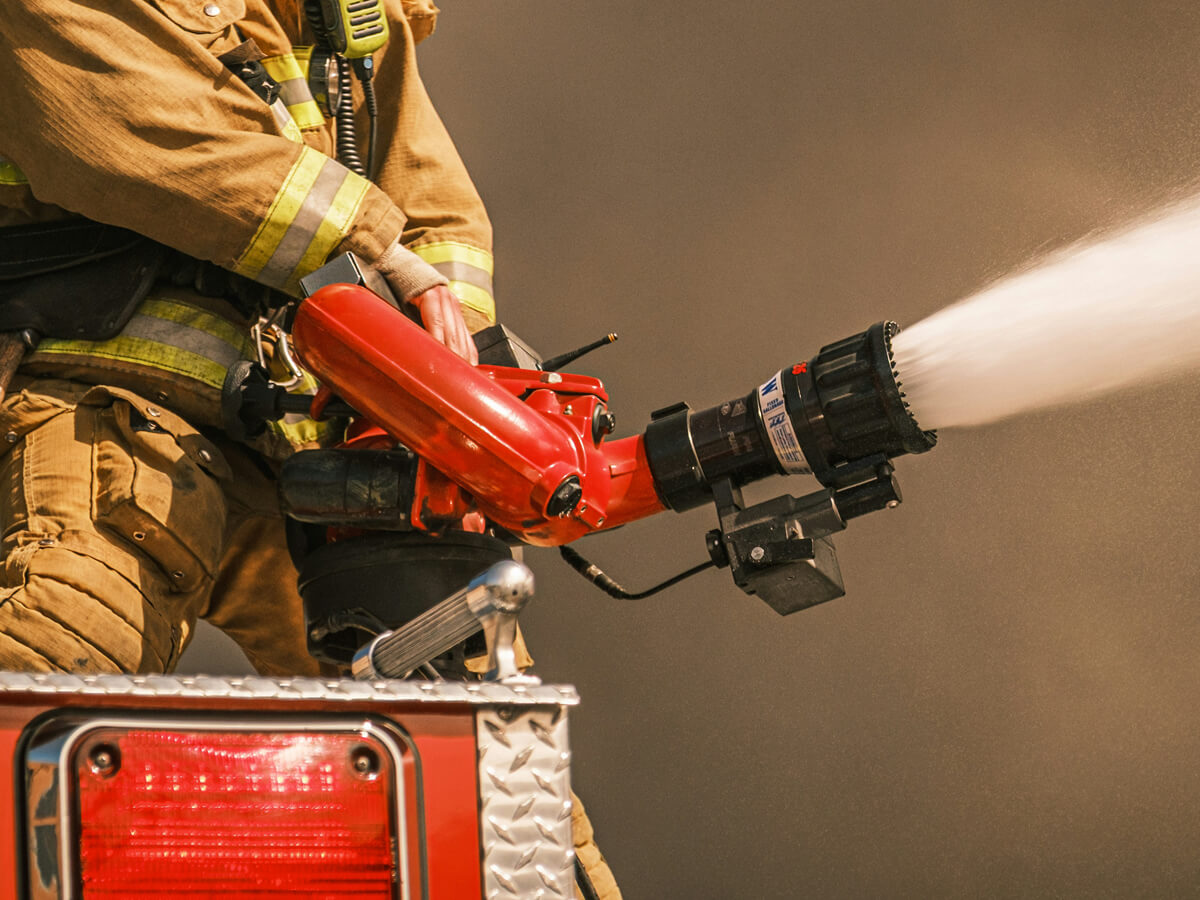
A fire water monitor works by directing a controlled stream of water or foam toward a fire source. It uses pressure to project the extinguishing agent over long distances. This allows operators to fight fires from a safe location.
Typically, the system includes a base, a rotating body, and a nozzle. Some models allow horizontal and vertical movement. Others are fully automated. Either way, the goal remains the same—deliver maximum impact with minimal delay.
What makes these systems fascinating is their adaptability. For instance, in a chemical plant, foam monitors are preferred. In contrast, water monitors are common in general industrial settings.
Moreover, modern designs focus on ease of operation. Operators can control them manually or through remote panels. In advanced setups, they respond automatically to fire detection signals.
So, while the concept is simple, the engineering behind it is anything but basic.
Types of Fire Water Monitor Systems
Choosing the right type depends on your operational needs. Each type serves a specific purpose, and understanding the differences can save both time and money.
Fixed Fire Water Monitor
- Installed permanently
- Ideal for high-risk zones
- Provides consistent coverage
Portable Fire Water Monitor
- Easy to move
- Suitable for temporary setups
- Geringere Installationskosten
Remote-Controlled Monitor
- Operated from a safe distance
- Reduces human risk
- Common in hazardous environments
Automatic Fire Water Monitor
- Integrated with fire detection systems
- Activates without human intervention
- Highly efficient in large facilities
Each type has its strengths. However, the right choice depends on your industry, risk level, and budget.
Key Components of Fire Water Monitor
Understanding the components helps you make better purchasing decisions. It also simplifies maintenance and troubleshooting.
Main Components
- Nozzle: Controls water flow and spray pattern
- Body: Provides structural support
- Inlet Valve: Regulates water entry
- Actuator: Enables movement (manual or automatic)
- Control System: Allows operation and monitoring
Additionally, materials matter. Stainless steel and aluminum alloys are common. They resist corrosion and extend lifespan.
In many cases, buyers overlook component quality. Yet, that mistake can lead to frequent breakdowns. So, always focus on durability.
Working Mechanism of Fire Water Monitor
The working process is straightforward but highly effective.
First, water enters the system through a pressurized supply line. Then, it passes through the inlet valve into the monitor body. From there, it reaches the nozzle.
The nozzle shapes the stream. Depending on the design, it can produce a jet or a spray. Operators can adjust the direction and intensity.
Meanwhile, advanced systems use sensors and control panels. They detect fire and automatically aim the monitor.
In short, the system combines pressure, direction, and flow control to combat fires efficiently.
Applications Across Industries
Fire water monitors are used in a wide range of industries. Their versatility makes them indispensable.
Key Industries
- Oil and gas facilities
- Marine and offshore platforms
- Power plants
- Warehouses and logistics centers
- Chemical processing plants
For example, in oil refineries, fire risks are constant. A monitor system provides immediate response capability.
Similarly, in ports, these systems protect ships and cargo. Without them, fire incidents could escalate quickly.
Benefits of Fire Water Monitor
Why should you invest in such systems? The benefits are clear and compelling.
- Enhanced Safety: Keeps operators at a safe distance
- High Efficiency: Covers large areas quickly
- Cost Savings: Reduces damage and downtime
- Reliability: Works in extreme conditions
- Compliance: Meets safety regulations
Moreover, these systems improve response time. And in firefighting, every second counts.
Comparison Chart of Fire Water Monitor Types
| Typ | Mobility | Control | Best Use Case | Kostenebene |
|---|---|---|---|---|
| Fixed | Niedrig | Manual/Auto | Industrial plants | Mittel |
| Portable | Hoch | Manual | Temporary sites | Niedrig |
| Remote-Controlled | Mittel | Remote | Hazardous zones | Hoch |
| Automatic | Niedrig | Fully Auto | Large facilities | Hoch |
This comparison helps you quickly evaluate options. It also highlights the trade-offs between cost and functionality.
Technological Advancements in 2026
Technology is reshaping fire protection systems. And honestly, the pace is impressive.
Modern monitors now feature:
- IoT integration
- Smart sensors
- Automated targeting
- Real-time monitoring
These innovations improve accuracy and reduce human error. For instance, smart systems can detect heat signatures and adjust direction instantly.
Additionally, data analytics plays a role. Systems can record performance and suggest maintenance schedules.
Installation and Maintenance Insights
Proper installation ensures optimal performance. It also extends system life.
Installation Tips
- Choose strategic locations
- Ensure stable water supply
- Follow manufacturer guidelines
Maintenance Practices
- Regular inspections
- Cleaning nozzles
- Checking pressure levels
Neglecting maintenance can lead to system failure. And that risk is simply not worth taking.
Buying Guide for B2B Buyers
As a business buyer, your decision must be strategic.
Key Factors
- Flow rate and pressure
- Materialqualität
- Control type
- Compliance standards
- Supplier reliability
Also, consider long-term costs. Sometimes, a higher upfront investment saves money later.
Einhaltung und Sicherheitsstandards
Fire safety systems must meet strict regulations.
Common Standards
- NFPA guidelines
- ISO certifications
- Local fire safety codes
Compliance is not optional. It ensures safety and avoids legal issues.
Challenges and Practical Solutions
Even the best systems face challenges.
Common Issues
- Pressure loss
- Korrosion
- Operator error
Lösungen
- Regular maintenance
- Using corrosion-resistant materials
- Training staff
Addressing these issues early can prevent costly failures.
Future Trends in Fire Water Monitor
Looking ahead, the industry is evolving rapidly.
Key trends include:
- AI-powered systems
- Eco-friendly designs
- Integration with smart buildings
These trends will shape the next generation of fire protection systems.
FAQs
What is the main purpose of a fire water monitor?
A fire water monitor is designed to deliver high-pressure water or foam to extinguish fires efficiently. It allows operators to control fire from a safe distance while covering large areas quickly, making it essential in industrial and hazardous environments.
How do I choose the right fire water monitor for my facility?
You should consider factors like flow rate, pressure requirements, installation location, and risk level. Additionally, evaluate whether you need manual, remote-controlled, or automatic systems based on your operational complexity and safety needs.
Are automatic fire water monitors better than manual ones?
Automatic systems offer faster response and reduced human risk. However, they are more expensive. Manual systems are cost-effective but require trained personnel. The best choice depends on your facility size and fire risk level.
What maintenance does a fire water monitor require?
Regular inspection, cleaning of nozzles, and pressure checks are essential. You should also test movement and control systems periodically. Proper maintenance ensures reliability and extends the system’s lifespan significantly.
Können Löschwassermonitore Schaum anstelle von Wasser verwenden?
Yes, many monitors are compatible with foam systems. Foam is particularly effective in oil and chemical fires, where water alone may not be sufficient to suppress flames.
What industries benefit most from fire water monitors?
Industries like oil and gas, marine, manufacturing, and logistics benefit greatly. These environments have higher fire risks, and monitor systems provide rapid and effective fire control.
Schlussfolgerung
Fire protection is not something you can compromise on. A well-designed system offers safety, efficiency, and peace of mind. Fire water monitors, with their advanced capabilities, play a crucial role in modern industrial safety.
As technology evolves, these systems will only become more effective. Therefore, investing in the right solution today ensures a safer tomorrow.
Abschließende Überlegungen
Fire safety solutions, much like strategic investments, deliver value far beyond their cost. A reliable Fire Water Monitor system not only protects assets but also strengthens trust with your clients and stakeholders.
How can you maximize the value of your fire protection system? Work with experienced manufacturers who understand your industry needs. Contact our engineering team today, share your project requirements, and receive a tailored solution along with expert consultation.