
Die Wahl des richtigen Alarmventile Hersteller sind keine leichte Entscheidung. Sie wirkt sich direkt auf die Brandsicherheit, die Zuverlässigkeit des Systems, die Zulassung der Inspektion und die langfristigen Betriebskosten aus. Für Ingenieure, Bauunternehmer, Händler und Gebäudeeigentümer steht das Alarmventil unauffällig im Hintergrund. Doch wenn der Druck steigt, wird es zum Herzstück des Brandschutzsystems.
Aus diesem Grund brauchen Sie mehr als einen niedrigen Preis oder einen Hochglanzkatalog. Sie brauchen einen Hersteller mit technischer Tiefe, strenger Qualitätskontrolle und praktischer Erfahrung. Auf den ersten Blick sehen viele Anbieter ähnlich aus. Sobald man jedoch tiefer in die Materie einsteigt, zeigen sich deutliche Unterschiede. Einige Hersteller konzentrieren sich nur auf das Volumen, während andere in die Einhaltung von Vorschriften, in Tests und in die Kundenbetreuung investieren.
Dieser Artikel ist aus der Sicht der Hersteller und der Käufer geschrieben. Er spiegelt Erfahrungen aus erster Hand, häufige Fehler in Projekten und Erfahrungen aus Audits, Exporten und langfristigen Partnerschaften wider. Am Ende werden Sie genau wissen, wie Sie die Hersteller von Alarmventilen mit Vertrauen und Klarheit bewerten können.
Hersteller von Alarmventilen und ihre Rolle im Brandschutz
Alarmventile Die Hersteller spielen eine zentrale Rolle in modernen Brandschutzsystemen. Diese Ventile steuern nicht nur den Wasserdurchfluss. Sie erkennen Brandereignisse, lösen Alarme aus und schützen Gebäude und Menschenleben. In Nassrohr-Sprinkleranlagen sorgt das Alarmventil dafür, dass nur dann Wasser fließt, wenn ein Sprinkler ausgelöst wird. Gleichzeitig sendet es ein hydraulisches oder elektrisches Signal, um die Bewohner und die Überwachungszentralen zu alarmieren.
Aus technischer Sicht müssen Alarmventile ein ausgewogenes Verhältnis zwischen Empfindlichkeit und Stabilität aufweisen. Reagiert das Ventil zu leicht, kommt es zu Fehlalarmen. Reagiert es zu langsam, erhöht sich der Brandschaden. Daher müssen die Hersteller die Druckdynamik, das Strömungsverhalten und die Installationsbedingungen verstehen.
In der Praxis konstruieren zuverlässige Hersteller Ventile, die bei Temperaturschwankungen, Druckschwankungen und unterschiedlicher Wasserqualität gleichbleibend funktionieren. Diese Beständigkeit kommt nicht von ungefähr. Sie ist das Ergebnis von Materialauswahl, Bearbeitungsgenauigkeit und wiederholten Tests.
Für die Käufer bedeutet dies vor allem eines. Bei der Wahl des richtigen Herstellers geht es nicht nur um den Kauf eines Bauteils. Sie wählen einen langfristigen Sicherheitspartner. Wenn Inspektionen stattfinden oder Ausfälle auftreten, werden die Konstruktionsentscheidungen des Herstellers sichtbar. Daher ist das Verständnis der Rolle der Hersteller von Alarmventilen der erste Schritt zur richtigen Wahl.
Die verschiedenen Arten von Alarmventilen auf dem Markt verstehen
Bevor Sie die Hersteller von Alarmventilen bewerten können, müssen Sie die wichtigsten verfügbaren Alarmventiltypen kennen. Jeder Typ dient einer anderen Systemanforderung. Hersteller mit starken technischen Fähigkeiten bieten in der Regel mehrere Typen an und nicht nur ein einziges Produkt.
Zu den gängigen Alarmventiltypen gehören:
- Nassalarmventile für standardmäßig beheizte Umgebungen
- Trockenalarmventile für kalte oder unbeheizte Räume
- Überflutungsventile für hochgefährdete Anwendungen
- Pre-Action-Alarmventile für sensible Einrichtungen
Jeder Typ erfordert unterschiedliche Dichtungsstrukturen, Verkleidungen und Aktivierungslogiken. So müssen Trockenalarmventile beispielsweise verhindern, dass sich Luft und Wasser unter normalen Bedingungen vermischen. Dies erhöht die Komplexität der Konstruktion und Prüfung.
Erfahrene Hersteller dokumentieren klar und deutlich Anwendungsgrenzen, Druckstufen und Installationshinweise. Sie stellen auch Zeichnungen und technische Handbücher zur Verfügung. Andererseits kopieren schwache Lieferanten oft Konstruktionen, ohne die Bedingungen vor Ort zu kennen.
Wenn Sie Anbieter vergleichen, sollten Sie deren Produktpalette sorgfältig prüfen. Eine breite, gut dokumentierte Produktpalette deutet oft auf eine tiefere technische Stärke hin. Außerdem verringert es Ihr Risiko, wenn sich die Projektanforderungen unerwartet ändern.
Wichtige Zertifizierungen und Standards, die Sie niemals ignorieren sollten
Zertifizierungen unterscheiden seriöse Alarmventilhersteller von Gelegenheitsanbietern. Brandschutz ist eine regulierte Industrie. Die Einhaltung ist nicht optional. Sie ist obligatorisch.
Renommierte Hersteller investieren viel in Zulassungen wie z. B.:
- UL- und FM-Zertifizierungen
- LPCB-Zulassungen
- EN- und CE-Konformität
- ISO-Qualitätsmanagementsysteme
Diese Zertifizierungen erfordern Werksaudits, Produkttests und eine laufende Überwachung. Ein zertifizierter Hersteller hat also bereits eine strenge externe Bewertung durchlaufen.
Allerdings haben nicht alle Zertifikate das gleiche Gewicht. Einige Märkte verlangen spezifische Zulassungen. So dominieren in Nordamerika UL und FM, während in Europa und im Nahen Osten die LPCB- und EN-Normen entscheidend sind.
Überprüfen Sie als Käufer die Zertifikate immer direkt. Fordern Sie Originaldokumente an und prüfen Sie Zulassungsverzeichnisse. Vergewissern Sie sich außerdem, dass die genaue Modellnummer aufgeführt ist. Allein dieser Schritt kann kostspielige Projektverzögerungen und abgelehnte Inspektionen verhindern.
Herstellungskapazität und Qualitätskontrollsysteme
Starke Alarmventile Die Hersteller kontrollieren ihren Produktionsprozess vom Rohmaterial bis zur Endmontage. Diese Kontrolle gewährleistet Konsistenz und Rückverfolgbarkeit.
Zu den wichtigsten Indikatoren für die Stärke des verarbeitenden Gewerbes gehören:
- Interne Guss- oder Schmiedekontrolle
- CNC-Bearbeitungsmöglichkeiten
- Druck- und Funktionsprüfungslinien
- Chargenverfolgung und Seriennummern
Die Qualitätskontrolle sollte sich nicht nur auf die Endkontrolle stützen. Vielmehr muss sie in jede Phase integriert werden. So verhindert beispielsweise die Prüfung der Materialzusammensetzung Korrosionsschäden. Prüfungen der Abmessungen gewährleisten die Dichtigkeit. Funktionstests bestätigen die Alarmreaktionszeit.
Die Erfahrung zeigt, dass Hersteller mit robusten Qualitätssystemen weniger Reklamationen vor Ort haben. Infolgedessen verbringen die Einkäufer weniger Zeit mit der Bearbeitung von Garantieansprüchen oder der Fehlersuche vor Ort.
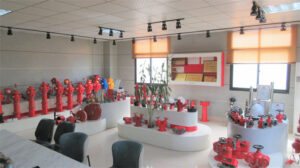
Bitten Sie die Hersteller, ihren Qualitätsprozess zu erläutern. Ein vertrauenswürdiger Lieferant wird Ihnen Prüfberichte, Inspektionsprotokolle und sogar Werksvideos zeigen. Transparenz schafft Vertrauen.
Technische Unterstützung und Anpassungsfähigkeit
Projekte folgen selten den Bedingungen aus dem Lehrbuch. Druckschwankungen, Installationsbeschränkungen und örtliche Vorschriften erfordern oft Anpassungen. Aus diesem Grund ist technische Unterstützung wichtig.
Zuverlässige Alarmventile Hersteller bieten:
- Technische Beratung vor dem Verkauf
- Installationszeichnungen und BIM-Dateien
- Kundenspezifische Ausstattungskonfigurationen
- Fehlerbehebung nach der Installation
Kundenspezifische Anpassung bedeutet nicht immer eine Neukonstruktion des Ventils. Manchmal geht es auch um die Anpassung von Zubehör, Werkstoffen oder Anschlussnormen. Hersteller mit flexiblen Entwicklungsteams reagieren schneller und reduzieren das Projektrisiko.
Aus der B2B-Perspektive betrachtet, spart diese Unterstützung Zeit und Geld. Sie stärkt auch die langfristige Zusammenarbeit. Bewerten Sie daher nicht nur das Produkt, sondern auch die Menschen dahinter.
Stabilität der Lieferkette und Lieferzuverlässigkeit
Selbst das beste Alarmventil versagt, wenn es zu spät eintrifft. Die Stabilität der Lieferkette wird oft übersehen, obwohl sie sich direkt auf die Projektzeitpläne auswirkt.
Erfahrene Alarmventile Hersteller warten:
- Stabile Rohstofflieferanten
- Pufferbestand für wichtige Modelle
- Klare Produktionsvorlaufzeiten
- Fachwissen über Exportdokumente
Fragen Sie nach den durchschnittlichen Lieferzeiten und den Kapazitäten in der Hochsaison. Prüfen Sie auch, wie die Hersteller mit den jüngsten globalen Störungen umgegangen sind. Ihre Antworten geben Aufschluss über die betriebliche Reife.
Ein stabiler Lieferpartner schützt Ihren Ruf bei den Endkunden. Unzuverlässige Lieferungen hingegen schaden dem Vertrauen und zukünftigen Geschäften.
Kostenbewertung über den Stückpreis hinaus
Der Preis ist wichtig. Allerdings ist es kurzsichtig, sich nur auf die Stückkosten zu konzentrieren. Zu den wahren Kosten gehören Zertifizierung, Ausfallrisiko, Wartung und Ersatz.
Betrachten Sie diesen einfachen Vergleich:
| Faktor | Kostengünstiger Anbieter | Qualifizierter Hersteller |
|---|---|---|
| Zertifizierung | Begrenzt oder keine | Vollständige internationale Zulassungen |
| Risiko des Scheiterns | Hoch | Niedrig |
| Inspektionsgenehmigung | Unsicher | Zuverlässig |
| Langfristige Kosten | Höher | Unter |
Alarmventile Hersteller, die in Qualität investieren, bieten oft einen besseren Gesamtwert. Mit der Zeit gleichen weniger Ausfälle und reibungslosere Inspektionen die anfänglichen Preisunterschiede aus.
Hersteller von Alarmventilen und langfristiger Wert der Partnerschaft
Alarmventile Hersteller sind nicht nur Verkäufer. Sie sind Partner in Sachen Sicherheit. Langfristige Zusammenarbeit bringt Vorteile wie Produktkonsistenz, technische Vertrautheit und schnellere Problemlösung.
Aus der Sicht eines Herstellers erhalten treue Partner bessere Unterstützung und Priorität. Aus der Sicht des Käufers verringern stabile Partnerschaften die Lernkurve und das Risiko.
Achten Sie auf Hersteller, die langfristig denken. Anzeichen dafür sind Investitionen in Forschung und Entwicklung, klare Garantierichtlinien und regelmäßige Produktaktualisierungen. Diese Verhaltensweisen signalisieren ein Engagement, das über einen einzelnen Auftrag hinausgeht.
Häufige Fehler von Einkäufern bei der Auswahl von Lieferanten
Trotz guter Absichten wiederholen Käufer oft die gleichen Fehler:
- Auswahl nur nach dem Preis
- Ignorieren von Zertifizierungsdetails
- Überspringen von Betriebskontrollen
- Unterschätzung des Kundendienstes
Jeder Fehler erhöht das Risiko. Glücklicherweise verhindert das Bewusstsein eine Wiederholung. Verwenden Sie einen strukturierten Bewertungsprozess. Vergleichen Sie Anbieter objektiv. Ziehen Sie im Zweifelsfall Zuverlässigkeit den Einsparungen vor.
Häufig gestellte Fragen
Wodurch unterscheiden sich zuverlässige Hersteller von Alarmventilen von Händlern?
Zuverlässige Hersteller kontrollieren Design, Produktion und Tests. Händler verkaufen Produkte oft ohne technische Kenntnisse weiter. Die Hersteller bieten Zertifizierungen, technische Unterstützung und gleichbleibende Qualität.
Wie wichtig sind UL- oder FM-Zulassungen bei der Auswahl von Lieferanten?
Diese Zulassungen sind auf vielen Märkten von entscheidender Bedeutung. Sie gewährleisten die Einhaltung der Vorschriften, vereinfachen Inspektionen und verringern die Haftung. Ohne sie können Projekte abgelehnt werden oder sich verzögern.
Können Hersteller von Alarmventilen ihre Produkte für spezielle Projekte anpassen?
Ja. Erfahrene Hersteller passen Verkleidungen, Materialien oder Verbindungen an. Diese Flexibilität hilft bei der Einhaltung lokaler Vorschriften und besonderer Standortbedingungen.
Wie kann ich die Qualitätsangaben eines Herstellers überprüfen?
Fordern Sie Prüfberichte, Zertifizierungen und Zugang zum Werksaudit an. Eine lückenlose Dokumentation und Transparenz zeugen von echter Leistungsfähigkeit.
Ist es sicher, den Lieferanten von Alarmventilen mitten im Projekt zu wechseln?
Ein Wechsel erhöht das Risiko. Unterschiedliche Konstruktionen können sich auf Zulassungen oder Leistung auswirken. Konsultieren Sie immer Ingenieure und Prüfer, bevor Sie den Lieferanten wechseln.
Welche Unterstützung kann ich nach dem Kauf erwarten?
Sie sollten eine Installationsanleitung, Hilfe bei der Fehlerbehebung und Garantieunterstützung erhalten. Starke Hersteller bleiben während des gesamten Produktlebenszyklus involviert.
Schlussfolgerung
Die Wahl des richtigen Herstellers von Alarmventilen ist eine strategische Entscheidung. Sie beeinflusst die Sicherheit, die Einhaltung von Vorschriften, die Kosten und den Ruf. Während viele Anbieter über den Preis konkurrieren, bieten nur wenige einen langfristigen Mehrwert.
Indem Sie sich auf Zertifizierungen, Fertigungsstärke, technische Unterstützung und eine partnerschaftliche Einstellung konzentrieren, reduzieren Sie Risiken und gewinnen Vertrauen. Brandschutz ist kein Bereich für Abkürzungen. Wenn der Alarm ertönt, zählt die Leistung. Wählen Sie mit Bedacht, und Ihre Systeme werden das schützen, was am wichtigsten ist.