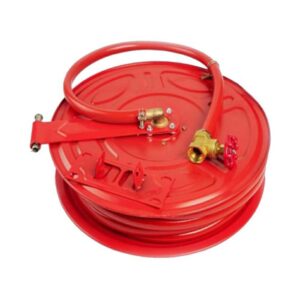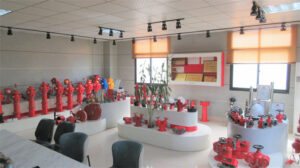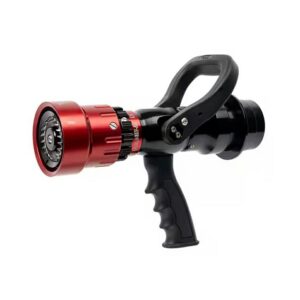
Choosing the right Fire Hose Manufacturer is not just a purchasing decision—it’s a safety investment. If you’re in charge of procurement, you already know that fire protection equipment must perform perfectly when it matters most. A weak or poorly made hose can fail under pressure, and that’s a risk no business should take.
From my experience working with industrial buyers, many companies rush into supplier selection without digging deep. That’s where problems start—delays, poor quality, and unexpected costs. The good news? With the right knowledge, you can avoid all that.
In this guide, you’ll learn how to evaluate manufacturers, understand materials, compare pricing, and build long-term partnerships. Let’s break it down step by step so you can make a confident, informed choice.
Fire Hose Manufacturer
A Fire Hose Manufacturer plays a critical role in fire safety systems across industries. These companies design, test, and produce hoses that must withstand extreme pressure, heat, and environmental stress. It’s not just about making a product—it’s about ensuring reliability when lives and assets are at risk.
Manufacturers typically serve different sectors. Some focus on municipal fire departments, while others supply industrial plants, oil refineries, or marine operations. Each application requires unique specifications, including pressure ratings, flexibility, and resistance to chemicals or abrasion.
From a buyer’s perspective, you should look beyond the surface. A trustworthy manufacturer invests heavily in testing equipment, quality control, and skilled labor. They don’t cut corners. Instead, they follow strict production processes to ensure every hose meets international standards.
Here’s what a professional manufacturer usually offers:
- Custom hose diameters and lengths
- Various material options for different environments
- Branding and OEM services
- Technical consultation
Working directly with a manufacturer—not a trading company—also gives you better control over quality and pricing. You get transparency, faster communication, and more flexibility.
Understanding Fire Hose Manufacturer Industry
The fire hose industry has grown steadily due to rising safety regulations worldwide. Governments and industries are placing stronger emphasis on fire prevention systems, which directly increases demand.
Manufacturers today are not just producing hoses. They are integrating advanced technologies into their processes. Automation, precision weaving, and digital testing systems are now standard in modern factories.
One interesting trend I’ve noticed is the shift toward lightweight hoses. Traditional rubber hoses are still popular, but many buyers now prefer synthetic materials that are easier to handle and store.
Another key factor is globalization. Many manufacturers export to multiple countries, which means they must meet different standards. This pushes them to improve quality and consistency.
For you as a buyer, this means more choices—but also more responsibility to choose wisely.
Types of Fire Hoses and Their Applications
Not all fire hoses are created equal. Choosing the wrong type can lead to performance issues or even system failure.
Here’s a simple breakdown:
| Type | Best Use | Key Feature |
|---|---|---|
| Municipal Hose | Fire departments | High pressure resistance |
| Industrial Hose | Factories, plants | Chemical resistance |
| Forestry Hose | Wildfire control | Lightweight and flexible |
| Marine Hose | Ships, offshore | Corrosion resistant |
Each type serves a specific purpose. For example, industrial hoses often require extra protection against oils and chemicals. On the other hand, forestry hoses need to be easy to carry over long distances.
A good manufacturer will guide you through these options and recommend the right product based on your needs.
Key Qualities of a Reliable Fire Hose Manufacturer
Not every supplier deserves your trust. A reliable manufacturer stands out in several ways.
First, they prioritize quality. This means strict inspection at every stage of production. Second, they maintain certifications that prove compliance with global standards. Third, they offer consistent communication and support.
Here are signs you’re dealing with a professional:
- Transparent production process
- Clear documentation and testing reports
- Strong client portfolio
- Responsive technical support
From experience, I’ve seen buyers regret choosing suppliers who lacked these qualities. It may seem cheaper at first, but it often leads to higher costs later.
Manufacturing Materials and Technology
The materials used in fire hoses directly affect performance. Modern manufacturers use a mix of traditional and advanced materials to achieve the best results.
Common materials include:
- Rubber for durability
- PVC for flexibility
- Polyurethane for lightweight strength
Technology also plays a big role. Advanced weaving machines create stronger hose jackets. Meanwhile, automated testing ensures each hose meets pressure requirements.
Some manufacturers are even experimenting with eco-friendly materials. This is especially important for companies aiming to reduce their environmental impact.
How to Evaluate Fire Hose Manufacturer Capabilities
Evaluating a manufacturer isn’t just about looking at a catalog. You need to dig deeper.
Start by asking about production capacity. Can they handle large orders? Next, check their customization options. Do they offer tailored solutions?
Also, consider their research and development capabilities. A strong R&D team means the manufacturer is constantly improving.
Here’s a quick checklist:
- Factory size and equipment
- Export experience
- Lead time reliability
- Customization flexibility
These factors will help you avoid supply chain issues down the road.
Certifications and Industry Standards
Certifications are not optional—they are essential. They prove that a manufacturer meets safety and quality requirements.
Some important standards include:
- ISO certification
- NFPA guidelines
- EN standards
You can learn more about fire safety standards from organizations like
https://www.nfpa.org
Always verify certificates before placing an order. Don’t just take the supplier’s word for it.
Cost Factors and Pricing Strategy
Price is important, but it shouldn’t be your only concern. The cheapest option often comes with hidden risks.
Several factors affect pricing:
- Raw material costs
- Labor expenses
- Order quantity
- Customization level
Bulk orders usually reduce unit costs. However, you should balance price with quality.
A good strategy is to request samples before committing to large orders. This helps you assess value without taking big risks.
Benefits of Working with Professional Fire Hose Manufacturer
Partnering with a professional manufacturer brings long-term advantages. You get consistent quality, reliable delivery, and ongoing support.
Over time, this relationship can improve your operations. You’ll spend less time dealing with issues and more time focusing on growth.
Key benefits include:
- Stable supply chain
- Better pricing over time
- Technical assistance
- Product innovation
Common Mistakes When Choosing a Manufacturer
Many buyers make avoidable mistakes. One of the biggest is focusing only on price. Another is skipping factory audits.
Here are common pitfalls:
- Ignoring certifications
- Not checking references
- Overlooking communication issues
- Choosing middlemen instead of direct manufacturers
Avoid these mistakes, and you’ll save time, money, and frustration.
Global Market Trends and Innovations
The fire hose industry is evolving fast. Lightweight materials, smart monitoring systems, and eco-friendly designs are becoming more common.
Manufacturers are also investing in automation to improve efficiency. This leads to better consistency and lower defect rates.
Staying updated on these trends can give you a competitive edge.
Fire Hose Manufacturer Selection Checklist
Before making your final decision, use this checklist:
- Verified certifications
- Strong production capacity
- Positive customer reviews
- Transparent pricing
- Reliable communication
This simple list can help you avoid costly mistakes.
FAQs
What should I look for in a Fire Hose Manufacturer?
You should focus on certifications, production quality, and experience. A good manufacturer provides testing reports, customization options, and reliable delivery. Strong communication is also key to ensuring smooth cooperation and long-term success.
How do I verify manufacturer certifications?
Ask for official documents and verify them through issuing organizations. Many certifications can be checked online. This step ensures the supplier meets safety and quality standards required for your industry.
Is it better to buy directly from a manufacturer?
Yes, buying directly reduces costs and improves communication. You also gain better control over product specifications and quality. It’s especially beneficial for bulk orders and long-term partnerships.
What materials are best for fire hoses?
It depends on your application. Rubber offers durability, PVC provides flexibility, and polyurethane is lightweight. Each material has its own strengths, so choose based on your environment and usage needs.
How can I ensure consistent product quality?
Work with certified manufacturers and request samples before large orders. Regular inspections and clear specifications also help maintain consistent quality across shipments.
Why do prices vary between manufacturers?
Prices differ due to materials, technology, labor costs, and order volume. Lower prices may indicate lower quality, so always balance cost with performance and reliability.
Conclusion
Choosing the right Fire Hose Manufacturer is a decision that affects safety, efficiency, and long-term costs. By focusing on quality, certifications, and reliable partnerships, you can avoid common pitfalls and secure the best value for your business.
Take your time, do your research, and don’t settle for less. The right manufacturer isn’t just a supplier—they’re a partner in your success.