Fire-fighting equipment plays a huge role in keeping people safe. When a fire starts, every second counts. The right tools can stop a small flame from turning into a major disaster. That’s why learning What Are Fire-Fighting Equipments: Introduction matters for homes, offices, factories, and public spaces.
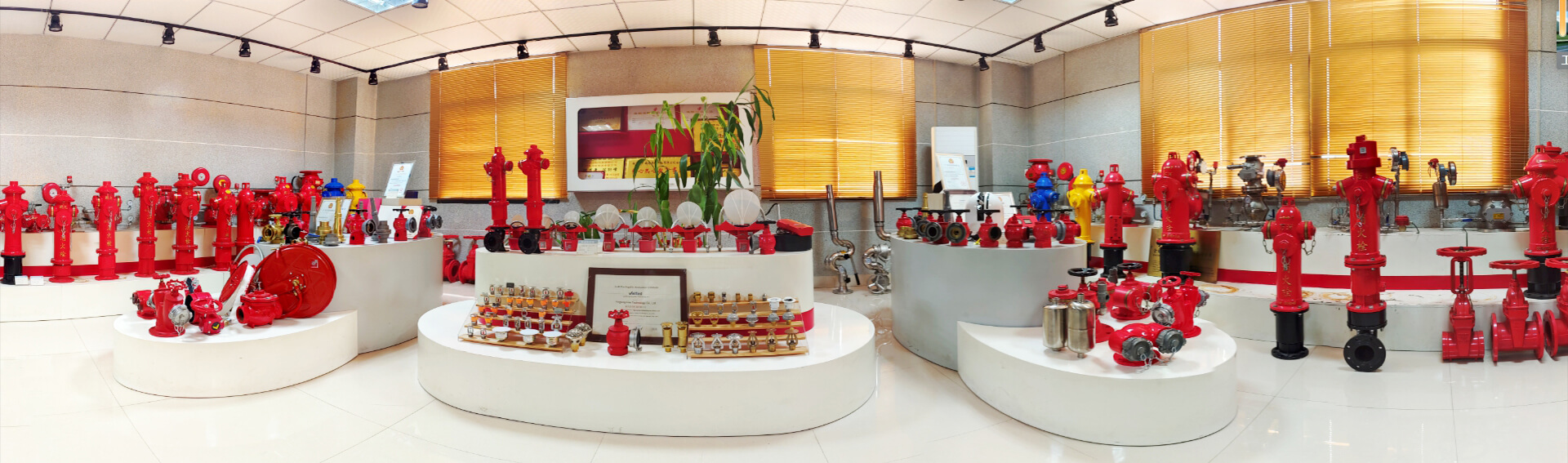
Fire-fighting equipment refers to the tools used to detect, control, prevent, and put out fires. These tools include fire extinguishers, hydrants, alarms, sprinklers, valves, hoses, and even firefighter suits. You’ll also find advanced systems like gas suppression agents and thermal detectors used in large buildings.
My experience working with fire-safety manufacturers taught me something important. Fire equipment saves lives only when it’s high-quality, properly installed, and regularly inspected. I’ve seen buildings pass safety checks because their systems worked perfectly. I’ve also seen places fail because simple equipment wasn’t maintained.
Fire equipment does more than fight flames. It helps create early warnings, controls fire spread, and gives people time to escape. It protects workplaces, reduces injuries, and lowers property loss. Many companies follow strict global standards such as NFPA, EN, and ISO to ensure quality and compliance.
In today’s world, fire safety is not optional. As technology grows, fire-fighting systems are becoming smarter, faster, and more reliable. From advanced sprinklers to intelligent alarms, these tools are designed to reduce risk in every situation.
Types of Fire-Fighting Equipments
Fire-fighting equipment comes in many forms. Each type has its own purpose. Some tools stop fires early, while others control heat, smoke, or flames. Every building needs a combination of these systems to stay protected.
Active Fire Protection Tools
Active fire protection responds during an actual fire. These include:
- Fire extinguishers
- Sprinkler systems
- Fire hydrants
- Alarms and detectors
- Fire water monitors
These tools need human action or automatic activation. They work fast, helping to stop fires before they spread.
Passive Fire Protection Systems
Passive systems don’t fight fire directly. Instead, they slow fire spread. They include:
- Fire-resistant walls
- Fire doors
- Smoke barriers
- Fire-resistant ceilings
These systems give people more time to escape.
A safe building always uses both active and passive systems. They work together to reduce danger and protect lives.
Fire Extinguishers and Suppression Agents
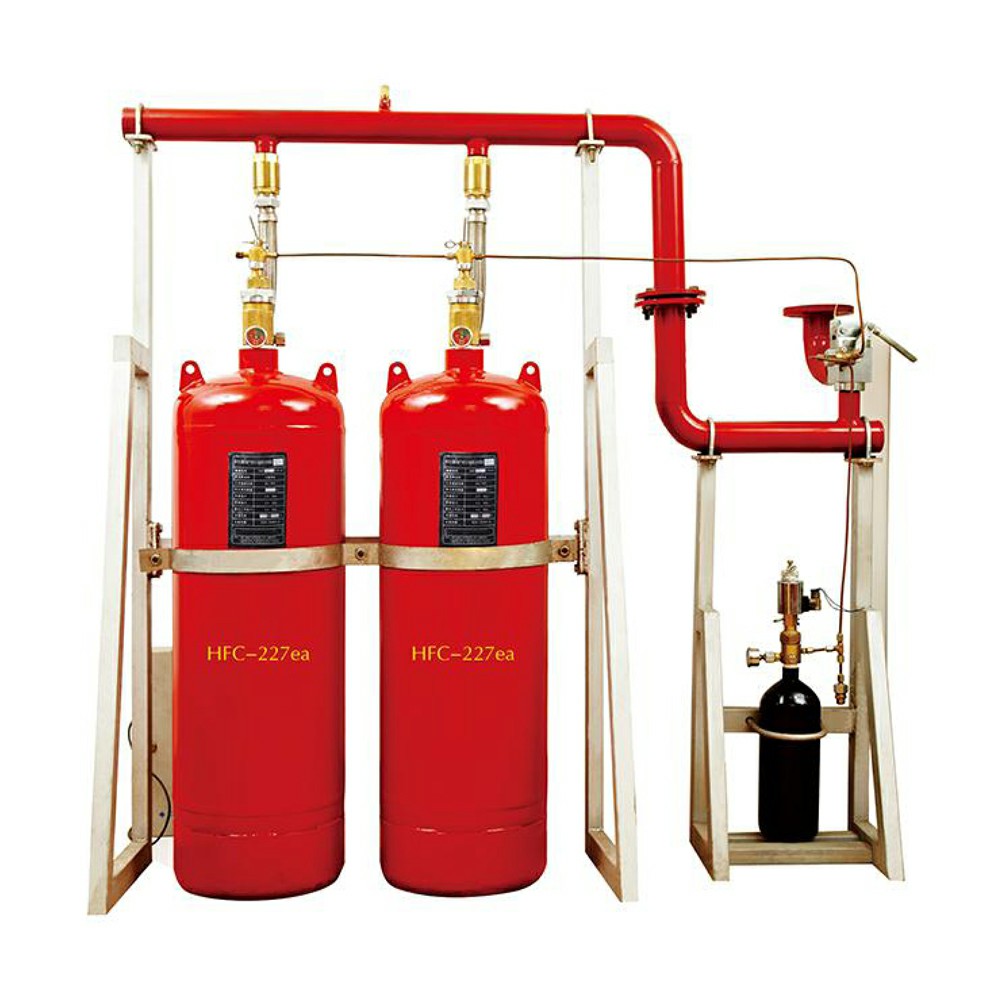
Fire extinguishers are the first tools people grab during a fire. They come in different types, each made for a certain kind of fire.
Water-Based Extinguishers
These are used for:
- Paper
- Wood
- Cloth
- Trash
They’re not safe for electrical fires.
Foam, Gas, and Dry Chemical Agents
These are used for:
- Oil and fuel fires
- Chemical fires
- Electrical fires
- Industrial fires
CO₂ and clean agent extinguishers protect sensitive equipment by leaving no residue. Factories, data centers, and hospitals often rely on these systems.
Many modern facilities now use automatic suppression systems. These systems activate when heat or smoke reaches a certain level.
For more details on fire safety standards, you can visit the NFPA website (external link: www.nfpa.org).
Fire Hydrants and Water Supply Systems
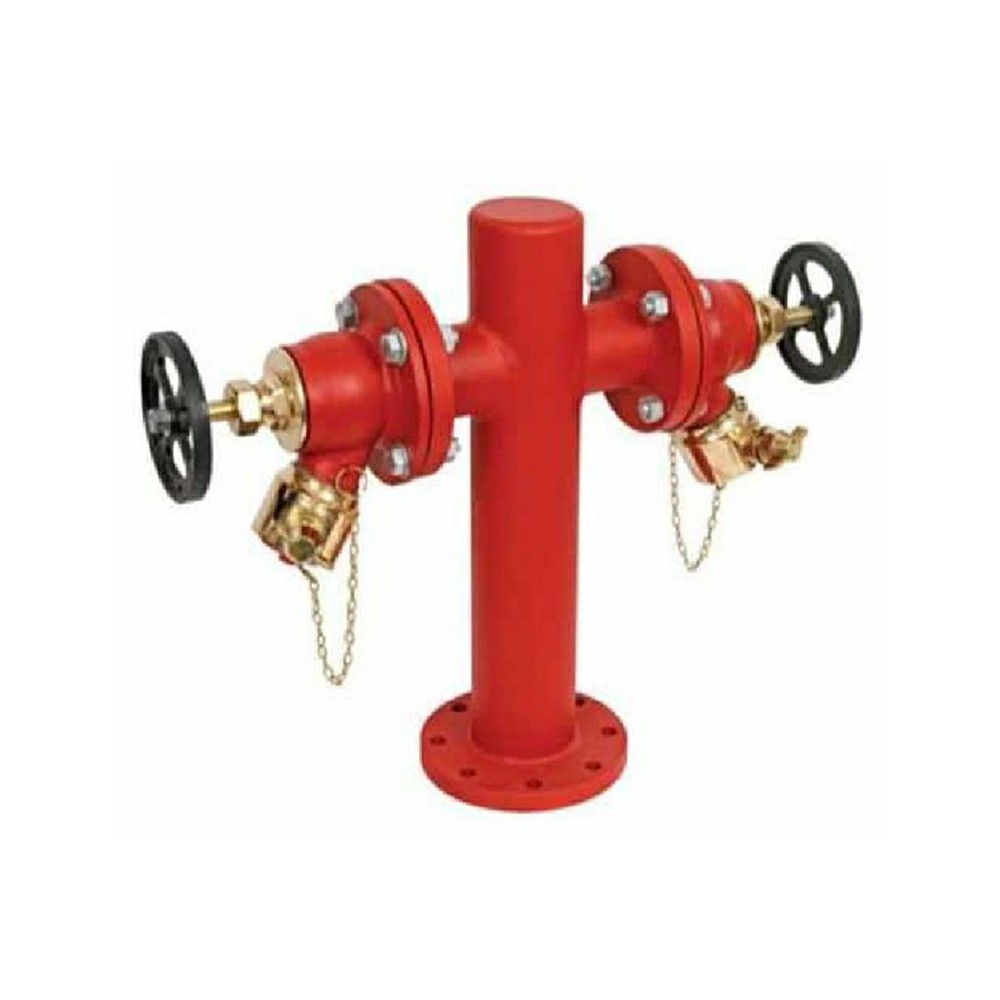
Fire hydrants are critical for large fires. They supply high-pressure water so firefighters can control flames.
Indoor Fire Hydrants
Found in:
- Shopping malls
- Offices
- Hotels
- Warehouses
Indoor hydrants include hoses, nozzles, and valves. They help trained staff respond quickly.
Outdoor Fire Hydrant Networks
Placed on roads and factory areas. Fire trucks connect their hoses to hydrants for a steady water supply.
Without hydrants, putting out big fires would be almost impossible.
Fire Sprinkler Systems and Automatic Protection
Sprinklers are one of the most effective fire-fighting systems ever created.
Wet Pipe, Dry Pipe, and Pre-Action Systems
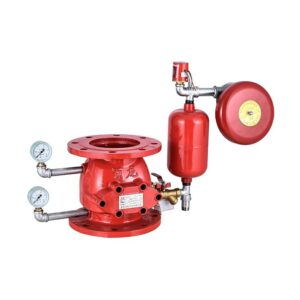
Wet pipe systems hold water in the pipes. They react fast and are ideal for warm climates.
Dry pipe systems hold pressurized air and are used in cold areas.
Pre-action systems need a detector signal before releasing water, preventing false discharges.
Smart Sprinkler Controls
Modern buildings use computer-controlled sprinklers. They detect heat patterns and activate only where needed. This reduces water damage and increases safety.
Studies show that buildings with sprinklers reduce fire deaths by over 80%.
Fire Alarm and Detection Devices
Fire alarms warn people before danger spreads. They are essential for early evacuation.
Heat, Smoke, and Gas Detection Systems
These devices sense:
- Rising temperatures
- Smoke particles
- Hazardous gases
They’re often connected to a building’s central safety system.
Automatic Fire Signaling
Once detection happens, alarms:
- Alert everyone
- Send signals to fire departments
- Trigger suppression systems
This quick response saves lives.
Fire Fighting Valves, Monitors, and Nozzles
Fire-fighting valves control pressure and water flow. They ensure water reaches the right place at the right speed.
Pressure-Reducing Valves
These are used in tall buildings to manage high water pressure.
Industrial Fire Water Monitors
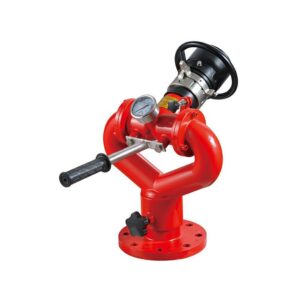
These powerful devices shoot water or foam over long distances. They’re used in:
- Refineries
- Airports
- Chemical plants
Monitors are essential for large-scale emergencies.
Personal Protective Equipment for Firefighters
Firefighters need the best gear to stay safe.
Fire Helmets and Suits
These are heat-resistant and protect against falling debris.
Breathing Apparatus and Rescue Tools
Smoke is deadly. Breathing gear lets firefighters work in dangerous areas.
Other rescue tools include:
- Axes
- Ropes
- Thermal cameras
Firefighters depend on these tools to save lives.
Installation, Inspection, and Maintenance of Fire-Fighting Equipments
Fire equipment must follow safety standards. Poor installation can cause huge risks.
Regulatory Standards
Many countries follow:
- NFPA rules
- EN fire standards
- ISO safety guidelines
Local fire departments also require inspections.
Routine Testing and Compliance
Fire extinguishers must be checked yearly. Sprinklers should be tested. Hydrants need flushing. Regular maintenance ensures everything works when needed.
Well-maintained equipment can operate for decades.
Advantages of Using High-Quality Fire-Fighting Equipments
High-quality fire equipment offers many benefits:
- Better safety
- More reliability
- Longer service life
- Lower insurance costs
Poor-quality tools fail faster and are unsafe. Choosing certified equipment protects people and property.
Choosing the Right Fire-Fighting Equipments
Selecting fire equipment depends on your environment.
Size, Capacity, and Materials
Factories need bigger extinguishers. Homes need smaller ones. Hospitals need clean agent systems.
Environment-Based Requirements
Consider:
- Heat
- Humidity
- Chemicals
- Electricity
Choosing the right equipment reduces fire risks dramatically.
FAQs
What is the purpose of fire-fighting equipment?
It helps detect, control, and extinguish fires before they grow.
How often should fire equipment be inspected?
Most items need yearly checks, but some systems need monthly reviews.
Are fire extinguishers safe for everyone to use?
Yes, but training helps ensure correct use.
What equipment is essential for a small business?
Extinguishers, alarms, hydrants, and sprinklers if required.
Do fire sprinklers cause water damage?
Only the sprinkler closest to the fire activates, minimizing damage.
Can fire equipment expire?
Yes. Extinguishers, hoses, and detectors have service life limits.
Conclusion
Fire-fighting equipment is a key part of any safe environment. It protects people, buildings, and communities. Understanding the tools, their uses, and maintenance requirements helps everyone stay prepared. When you know What Are Fire-Fighting Equipments: Introduction, you can make better choices and create safer spaces for everyone.