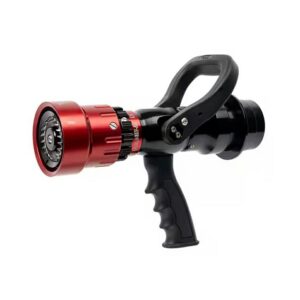
A segurança contra incêndios é uma parte essencial das operações industriais. Em setores como petróleo e gás, fábricas de produtos químicos, marinha e armazéns, os monitores de água contra incêndio desempenham um papel fundamental no controle rápido de grandes incêndios. Esses dispositivos fornecem água ou espuma de alta pressão a longas distâncias, ajudando a proteger vidas e bens.
O processo de fabricação do Fire Water Monitor não é simples. Ele requer materiais resistentes, engenharia precisa e testes rigorosos. Como fabricante, entendemos que os compradores precisam de produtos confiáveis, duráveis e que estejam em conformidade com os padrões globais.
Desde a seleção das matérias-primas até o teste final, cada etapa deve atender a requisitos de alta qualidade. Até mesmo um pequeno defeito pode reduzir o desempenho durante emergências. É por isso que os fabricantes seguem um processo de produção estruturado e controlado.
Neste guia, nós o orientaremos em todas as etapas da fabricação. Seja você um distribuidor, empreiteiro de projetos ou comprador industrial, este artigo o ajudará a entender como os monitores de incêndio de qualidade são fabricados.
Entendendo os monitores de água de incêndio
Os monitores de água de incêndio são dispositivos de combate a incêndio de alta capacidade. Eles são projetados para fornecer água ou espuma em altas taxas de fluxo. Esses monitores podem ser operados manualmente ou controlados remotamente.
Tipos de monitores de água de incêndio:
- Monitores fixos (instalados permanentemente)
- Monitores portáteis (unidades móveis)
- Monitores automáticos (remotos ou baseados em sensores)
Aplicativos comuns:
- Refinarias de petróleo
- Fábricas de produtos químicos
- Usinas de energia
- Embarcações marítimas
- Aeroportos
Cada tipo requer técnicas de fabricação diferentes. Por exemplo, os monitores marítimos precisam de maior resistência à corrosão, enquanto as unidades industriais devem suportar pressões extremas.
O entendimento da aplicação ajuda os fabricantes a projetar o produto certo. Isso garante segurança, eficiência e longa vida útil.
Seleção de matéria-prima para monitores de água de incêndio
A qualidade de um monitor de incêndio começa com os materiais utilizados. Os fabricantes escolhem cuidadosamente os materiais com base na força, na resistência à corrosão e na durabilidade.
Materiais comuns utilizados:
| Material | Benefícios | Aplicativo |
|---|---|---|
| Aço inoxidável | Alta resistência à corrosão | Marítimo e offshore |
| Liga de alumínio | Leve | Monitores portáteis |
| Bronze | Excelente durabilidade | Ambientes agressivos |
| Aço carbono | Econômico | Uso industrial |
A seleção do material também depende:
- Qualidade da água
- Condições ambientais
- Requisitos de pressão
Por exemplo, ambientes de água salgada exigem aço inoxidável para evitar ferrugem. A escolha do material errado pode levar a falhas em momentos críticos.
Processo de design e engenharia
Antes do início da fabricação, os engenheiros criam projetos detalhados usando o software CAD. Essa etapa é crucial porque define o desempenho e a segurança.
Principais considerações sobre o projeto:
- Eficiência da vazão
- Manuseio de pressão
- Faixa de rotação
- Compatibilidade do bocal
Os engenheiros também simulam o fluxo de água para reduzir a perda de energia. Isso melhora o desempenho e economiza custos operacionais.
Os designs modernos se concentram em:
- Fácil operação
- Baixa manutenção
- Longa vida útil
Um monitor de incêndio bem projetado garante melhor capacidade de combate a incêndios e confiabilidade.
Técnicas de fundição e forjamento
A fundição e o forjamento são usados para moldar o corpo principal do monitor.
Métodos comuns:
- Fundição em areia (econômica para peças grandes)
- Fundição de precisão (alta precisão)
- Forjamento (estrutura mais forte)
Cada método tem suas vantagens. O forjamento cria componentes mais resistentes, enquanto a fundição permite formas complexas.
Os fabricantes escolhem o método com base em:
- Design do produto
- Orçamento
- Necessidades de desempenho
Essa etapa forma a estrutura básica do monitor de incêndio.
Usinagem CNC e fabricação de componentes
Após a fundição, os componentes passam por usinagem CNC. Isso garante dimensões precisas e superfícies lisas.
Processos de usinagem:
- Torneamento
- Fresagem
- Perfuração
- Corte de linha
O controle de tolerância é muito importante. Mesmo pequenos erros podem afetar o desempenho.
Benefícios da usinagem CNC:
- Alta precisão
- Consistência
- Melhor acabamento da superfície
Essa etapa garante que todas as peças se encaixem perfeitamente durante a montagem.
Montagem dos componentes do monitor de água de incêndio
A montagem é onde todos os componentes são reunidos.
Componentes principais:
- Corpo do monitor
- Bocal
- Sistema de engrenagens
- Mecanismo de rotação
Técnicos especializados montam cada unidade cuidadosamente. O alinhamento adequado é fundamental para o bom funcionamento.
Verificações de montagem:
- Movimento de rotação
- Prevenção de vazamentos
- Estabilidade estrutural
Essa etapa transforma as peças individuais em um monitor de incêndio em funcionamento.
Tratamento de superfície e revestimento
Os monitores de incêndio são expostos a ambientes adversos. O tratamento de superfície os protege contra corrosão e desgaste.
Revestimentos comuns:
- Revestimento em pó
- Revestimento de epóxi
- Tinta de grau marinho
Benefícios:
- Vida útil mais longa
- Melhor aparência
- Manutenção reduzida
A qualidade do revestimento afeta diretamente a durabilidade do produto.
Procedimentos de controle de qualidade e testes
O teste é um dos estágios mais importantes.
Principais testes:
- Teste de pressão
- Teste de vazão
- Detecção de vazamentos
- Teste de rotação
Exemplo de gráfico de teste:
| Tipo de teste | Objetivo | Requisito de resultado |
|---|---|---|
| Teste de pressão | Verificar a resistência | Sem vazamento |
| Teste de fluxo | Medir a saída | Atende às especificações do projeto |
| Teste de rotação | Verifique o movimento | Operação suave |
O rigoroso controle de qualidade garante a confiabilidade em situações reais de incêndio.
Conformidade com os padrões do setor
Os fabricantes devem seguir os padrões internacionais.
Padrões comuns:
- ISO
- NFPA
- Certificação CE
A conformidade garante:
- Segurança
- Desempenho
- Aceitação global
Os compradores devem sempre verificar as certificações antes de comprar.
Processo de fabricação do monitor de água contra incêndio (visão geral detalhada)
O processo de fabricação do Fire Water Monitor inclui as seguintes etapas:
- Seleção de materiais
- Design e engenharia
- Fundição/forjamento
- Usinagem CNC
- Montagem
- Revestimento de superfície
- Testes e inspeções
- Embalagem e entrega
Cada etapa é cuidadosamente controlada para manter a qualidade.
Automação e tecnologia na manufatura
As fábricas modernas usam tecnologia avançada.
Tecnologias utilizadas:
- Automação CNC
- Robótica
- Sistemas de inspeção inteligentes
A automação é aprimorada:
- Eficiência
- Precisão
- Velocidade de produção
Isso ajuda os fabricantes a atender a grandes pedidos sem comprometer a qualidade.
Desafios comuns na manufatura
Os fabricantes enfrentam vários desafios:
- Defeitos de material
- Erros de usinagem
- Desalinhamento da montagem
- Falhas de revestimento
O controle de qualidade adequado ajuda a reduzir esses riscos.
Fatores de custo na produção de monitores de água de incêndio
Vários fatores afetam o custo:
- Matérias-primas
- Trabalho
- Tecnologia
- Personalização
Os compradores devem equilibrar custo e qualidade ao selecionar fornecedores.
10 dicas para escolher o fabricante certo
- Verifique as certificações
- Revisar a capacidade de produção
- Inspecionar o processo de controle de qualidade
- Solicite relatórios de teste
- Avaliar a experiência
- Verificar a capacidade de personalização
- Analisar o feedback do cliente
- Avaliar o tempo de entrega
- Compare os preços cuidadosamente
- Garantir o suporte pós-venda
Tendências futuras na fabricação de monitores de água de incêndio
O setor está evoluindo:
- Monitores inteligentes com controle remoto
- Integração de IoT
- Materiais ecologicamente corretos
Essas inovações aumentam a eficiência e a segurança.
Perguntas frequentes
1. O que é um monitor de água de incêndio?
Um monitor de água contra incêndio é um dispositivo de combate a incêndios de alta capacidade que pulveriza água ou espuma a longas distâncias. É usado em ambientes industriais para controlar grandes incêndios de forma rápida e eficiente.
2. Quais são os melhores materiais para monitores de incêndio?
O aço inoxidável e o bronze são comumente usados devido à sua resistência à corrosão e durabilidade. A escolha depende do ambiente, como o uso marítimo ou industrial.
3. Como os monitores de incêndio são testados?
Eles passam por testes de pressão, fluxo e vazamento. Esses testes garantem que o monitor funcione corretamente em condições reais de combate a incêndios.
4. Quais padrões os monitores de incêndio devem atender?
Eles devem estar em conformidade com as normas ISO e NFPA. A certificação garante segurança, confiabilidade e aceitação global.
5. Os monitores de incêndio podem ser personalizados?
Sim, os fabricantes podem personalizar o tamanho, o material e os recursos com base nos requisitos do projeto.
6. Quais setores usam monitores de incêndio?
Os setores de petróleo e gás, marítimo, aeroportuário e químico os utilizam com frequência.
7. Quanto tempo duram os monitores de incêndio?
Com a manutenção adequada, eles podem durar de 10 a 20 anos ou mais.
8. Qual é a função da usinagem CNC?
Ele garante precisão e consistência na fabricação de componentes.
9. Os monitores de incêndio automatizados são melhores?
Sim, eles permitem a operação remota e uma resposta mais rápida em emergências.
10. Como escolher um fabricante confiável?
Verifique as certificações, a experiência, os processos de teste e as avaliações dos clientes.
Conclusão
O processo de fabricação do Fire Water Monitor é um procedimento complexo e altamente controlado. Da seleção do material ao teste final, cada etapa garante a segurança e o desempenho.
Investir em monitores de incêndio de alta qualidade não se trata apenas de equipamentos - trata-se de proteger vidas, ativos e operações.
A compreensão desse processo ajuda a escolher o fornecedor certo. Um fabricante confiável se concentrará na qualidade, na conformidade e na inovação.