Um sistema de hidrantes proporciona um abastecimento imediato e confiável de água para o combate a incêndios em situações de emergência. Ao integrar perfeitamente bombas, tubulações e válvulas, um sistema bem projetado garante uma resposta rápida, minimiza os danos materiais e salva vidas.
Para os compradores do setor B2B, a escolha de equipamentos de proteção contra incêndio vai além da conformidade regulatória — trata-se de confiabilidade e segurança a longo prazo. Embora seja tentador se concentrar no preço inicial, componentes de baixa qualidade apresentam risco de falha catastrófica justamente quando são mais necessários.
O verdadeiro valor está na qualidade do produto, nas certificações e no suporte técnico. Com base em nossa ampla experiência em fabricação, este guia aborda tudo, desde os princípios fundamentais do sistema até a seleção de fornecedores, permitindo que você tome decisões de compra bem informadas e econômicas.
O que é um sistema de hidrantes?
Um sistema de hidrantes é uma infraestrutura permanente de combate a incêndios instalada dentro ou fora de edifícios para fornecer água em alta pressão diretamente aos bombeiros durante emergências. Ao contrário dos extintores portáteis, que são projetados para controlar incêndios de pequena magnitude, um sistema de hidrantes oferece um abastecimento contínuo de água capaz de lidar com incidentes de grande escala.
O objetivo principal desse sistema é simples: garantir a disponibilidade imediata de água em quantidade suficiente sempre que ocorrer um incêndio. Cada segundo conta durante uma emergência de incêndio. Uma rede de hidrantes adequadamente projetada permite que os bombeiros conectem as mangueiras rapidamente, sem precisar procurar uma fonte externa de água.
Em ambientes comerciais e industriais, o sistema normalmente se conecta a tanques de água específicos, à rede municipal de abastecimento de água ou a ambos. As bombas de combate a incêndio mantêm a pressão adequada mesmo quando várias bocas de incêndio estão em operação simultaneamente.
Com base em nossa experiência na fabricação, muitos compradores internacionais presumem, erroneamente, que todos os sistemas de hidrantes são semelhantes. Na realidade, o projeto varia bastante, dependendo de:
- Altura do prédio
- Nível de risco de incêndio
- Normas locais
- Disponibilidade de água
- Condições climáticas
- Tipo de ocupação
Por exemplo, um armazém que armazena produtos químicos exige cálculos hidráulicos significativamente diferentes dos necessários para um hotel ou prédio comercial. Os engenheiros devem determinar a vazão de água necessária, a pressão de operação e a capacidade do sistema antes de selecionar os equipamentos.
As aplicações típicas incluem:
- Fábricas de produção
- Armazéns de logística
- Plantas petroquímicas
- Aeroportos
- Hospitais
- Universidades
- Shopping centers
- Complexos residenciais
- Prédios comerciais de grande altura
- Terminais marítimos
Os sistemas de hidrantes atuais também se integram a sistemas inteligentes de alarme de incêndio, permitindo que as bombas sejam acionadas automaticamente quando os detectores de fumaça ativam os procedimentos de emergência.
Para os compradores do setor B2B, compreender essas diferenças ajuda a evitar erros de projeto que podem custar caro e garante a conformidade com as normas internacionais de segurança contra incêndios.
Principais componentes de um sistema de hidrantes
A confiabilidade de um sistema de hidrantes depende da confiabilidade de cada um de seus componentes. Cada peça desempenha uma função específica, e a falha de um componente pode afetar toda a operação de combate a incêndios.
A seguir, apresentamos uma visão geral simplificada.
| Componente | Função |
|---|---|
| Hidrante | Saída de água para bombeiros |
| Bomba de incêndio | Mantém a pressão de água necessária |
| Tanque de água | Armazena água para combate a incêndios em situações de emergência |
| Duto subterrâneo | Fornece água para todo o local |
| Válvula de aterragem | Controla a descarga de água |
| Mangueira de incêndio | Transporta água até o local do incêndio |
| Bocal de incêndio | Controla o padrão de pulverização |
| Válvula de isolamento | Abre ou fecha o fluxo de água |
| Medidor de pressão | Monitora a pressão de operação |
Hidrantes
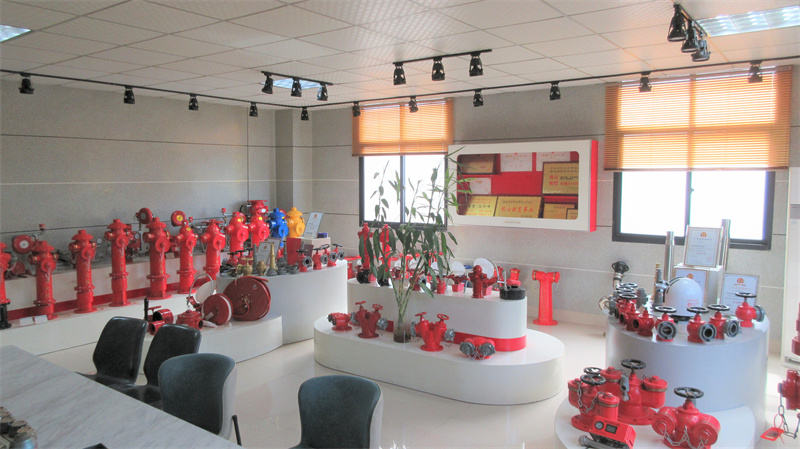
Os hidrantes servem como principal ponto de conexão para as mangueiras de combate a incêndios. Os hidrantes externos são comumente instalados ao redor de instalações industriais e edifícios comerciais, enquanto os hidrantes internos são posicionados dentro de escadarias e corredores para facilitar o acesso rápido.
Os hidrantes modernos são fabricados em ferro dúctil, ferro fundido ou ligas resistentes à corrosão para garantir uma longa vida útil em condições ambientais adversas.
Bombas de incêndio
Uma bomba de incêndio é o coração do sistema. Ela aumenta a pressão da água sempre que o abastecimento municipal não consegue atender às necessidades de combate a incêndios.
Os tipos comuns de bombas incluem:
- Bombas elétricas de combate a incêndio
- Bombas de incêndio com motor a diesel
- Bombas de turbina vertical
- Bombas de corpo dividido
- Bombas de sucção na extremidade
O desempenho confiável da bomba garante que haja pressão suficiente em todas as bocas de incêndio, mesmo em instalações de grande porte.
Tanques de armazenamento de água
Tanques de água específicos garantem um abastecimento ininterrupto durante situações de emergência. Dependendo do porte do projeto, os tanques podem ser construídos com:
- Concreto armado
- Aço galvanizado
- Aço inoxidável
- Aço com revestimento de vidro fundido
A capacidade é calculada com base na classificação de risco de incêndio e nos regulamentos locais de construção.
Dutos
A tubulação subterrânea e à superfície distribui água por toda a área protegida. As opções de materiais incluem:
- Ferro dúctil
- Aço carbono
- HDPE
- Aço inoxidável
O dimensionamento adequado das tubulações minimiza a perda de pressão e contribui para um abastecimento consistente de água.
Válvulas e acessórios
Válvulas de gaveta, válvulas borboleta, válvulas de retenção e válvulas de alívio de pressão regulam o funcionamento do sistema. Acessórios como manômetros, interruptores de vazão e válvulas de purga de ar melhoram o monitoramento e a manutenção.
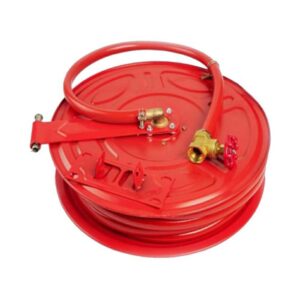
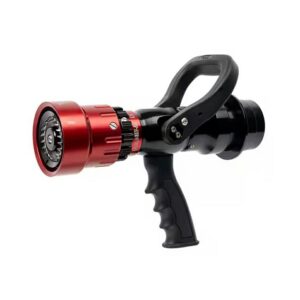
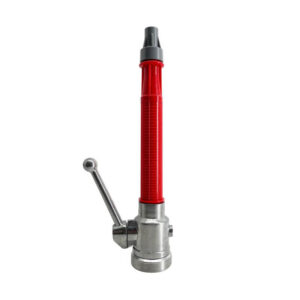
Mangueiras e bicos de incêndio
As mangueiras de incêndio transportam água dos hidrantes até o local do incêndio. Diferentes bicos proporcionam:
- Fluxo direto
- Spray antineblina
- Vazão ajustável
- Jato de alta pressão
A escolha de mangueiras e bicos compatíveis aumenta a eficiência no combate a incêndios e, ao mesmo tempo, reduz o consumo de água.
Do ponto de vista do fabricante, o uso de materiais certificados e a usinagem de precisão prolongam significativamente a vida útil do equipamento e reduzem os custos de manutenção ao longo dos anos de operação.
Como funciona um sistema de hidrantes?
Embora o equipamento pareça complexo, o princípio de funcionamento de um sistema de hidrantes é simples. Todos os componentes atuam em conjunto para fornecer água pressurizada onde os bombeiros mais precisam.
O processo começa com o abastecimento de água. Dependendo do projeto, a água pode vir de redes municipais, reservatórios específicos para combate a incêndios, tanques subterrâneos, tanques elevados ou uma combinação dessas fontes. Em condições normais, o sistema permanece pressurizado e pronto para uso imediato.
Quando ocorre um incêndio, os bombeiros conectam as mangueiras à saída do hidrante mais próxima. Se a pressão da água disponível for insuficiente, a bomba de incêndio é acionada automaticamente por meio de sensores de pressão ou do sistema de controle de alarme de incêndio do prédio. Em algumas instalações, os operadores também podem acionar a bomba manualmente.
A bomba, então, aumenta a pressão da água e a distribui por meio da rede de tubulação subterrânea ou aérea. As válvulas de controle garantem que a água chegue às zonas corretas, mantendo uma pressão estável em todo o sistema.
Uma sequência operacional típica inclui:
- Detecção de incêndio
- Ativação do alarme
- Partida da bomba
- Estabilização da pressão da água
- Abertura da válvula do hidrante
- Desdobramento da mangueira
- Jato de água pelo bico
- Combate contínuo ao incêndio até que a emergência seja controlada
Várias características de projeto ajudam a garantir um funcionamento confiável:
- Bombas a diesel de reserva para o caso de falta de energia elétrica
- Bombas jockey para manter a pressão normal do sistema
- Válvulas de alívio de pressão para evitar a sobrepressurização
- Válvulas de retenção para impedir o refluxo da água
- Válvulas de isolamento para facilitar a manutenção
Em grandes instalações industriais, várias bocas de incêndio podem funcionar simultaneamente. Os engenheiros calculam cuidadosamente a demanda hidráulica para garantir que um fluxo adequado de água chegue a todas as saídas sem perda significativa de pressão.
Com base em nossa experiência de trabalho com empreiteiras EPC e clientes industriais, um dos fatores mais negligenciados são os testes de rotina. Mesmo uma rede de hidrantes bem projetada pode sofrer com tubulações entupidas, válvulas danificadas ou componentes de bombas desgastados se a manutenção preventiva for ignorada.
Um sistema projetado adequadamente e com manutenção regular oferece proteção confiável para fábricas, armazéns, portos, aeroportos, hospitais e edifícios comerciais, proporcionando aos proprietários das instalações maior confiança de que os equipamentos essenciais de proteção contra incêndio funcionarão quando for mais importante.
Tipos de sistemas de hidrantes
A escolha do sistema de hidrantes adequado é uma das decisões mais importantes durante a fase de projeto de qualquer obra de proteção contra incêndios. Edifícios diferentes apresentam riscos de incêndio, disposições arquitetônicas e requisitos das normas locais distintos. A escolha do sistema errado pode aumentar os custos de instalação, reduzir a eficiência no combate a incêndios e gerar problemas de conformidade.
Como fabricante que trabalha com empreiteiras, distribuidoras e empresas de engenharia, recomendamos avaliar a altura do edifício, o tipo de ocupação, o abastecimento de água disponível e os recursos de manutenção antes de selecionar um sistema de hidrantes.
Sistema de coluna de elevação úmida
Um sistema de coluna úmida mantém a água dentro dos tubos o tempo todo. Ele é comumente instalado em edifícios altos, onde os bombeiros precisam de acesso imediato à água pressurizada.
As vantagens incluem:
- Disponibilidade imediata de água
- Resposta mais rápida a emergências
- Menor risco de atrasos operacionais
- Adequado para edifícios com abastecimento de água confiável
As aplicações típicas incluem:
- Torres de escritórios
- Hotéis
- Hospitais
- Shopping centers
- Arranha-céus residenciais
Sistema de coluna seca
Ao contrário das colunas úmidas, as colunas secas não contêm água em condições normais. Os bombeiros conectam caminhões-bomba externos para encher o sistema durante uma emergência.
Os benefícios incluem:
- Menor custo de instalação
- Menos manutenção em climas mais frios
- Menor risco de corrosão dos tubos causada pela água estagnada
As colunas secas costumam ser instaladas em edifícios comerciais de altura média, nos casos em que a legislação local o permite.
Sistema de hidrantes para uso externo
As bocas de incêndio externas protegem grandes áreas abertas e instalações industriais. Elas permitem que os corpos de bombeiros se conectem diretamente à rede de água do local.
Os aplicativos comuns incluem:
- Fábricas de manufatura
- Instalações de petróleo e gás
- Portos
- Centros de logística
- Áreas de armazenamento de produtos químicos
Sistema subterrâneo de hidrantes
Os hidrantes subterrâneos são instalados abaixo do nível do solo e acessados por meio de tampas na superfície. Eles costumam ser escolhidos quando questões estéticas ou espaço limitado tornam os hidrantes à superfície inadequados.
Sistema de tubulação vertical
Os sistemas de colunas de incêndio fornecem aos bombeiros acesso à água em vários andares do prédio.
Dependendo das normas locais, os sistemas de colunas de incêndio podem ser:
- Classe I
- Classe II
- Classe III
Cada categoria atende a diferentes usuários, desde bombeiros treinados até ocupantes dos edifícios.
Comparação entre sistemas comuns de hidrantes
| Tipo de sistema | Água dentro do cano | Melhor Aplicação | Manutenção |
|---|---|---|---|
| Tubo ascendente úmido | Sim | Edifícios altos | Moderado |
| Coluna seca | Não | Edifícios de altura média | Baixa |
| Hidrante externo | Sim | Instalações industriais | Moderado |
| Hidrante subterrâneo | Sim | Infraestrutura urbana | Moderado |
| Tubo vertical | Depende do projeto | Grandes edifícios comerciais | Moderado |
A escolha da configuração adequada melhora o tempo de resposta, simplifica a manutenção e contribui para o cumprimento das normas regionais de proteção contra incêndios.
Locais onde os sistemas de hidrantes são comumente instalados
Os sistemas de hidrantes protegem praticamente todos os tipos de imóveis comerciais e industriais. No entanto, o projeto varia de acordo com a ocupação, a carga de incêndio e os requisitos operacionais.
Algumas das instalações mais comuns incluem:
Instalações de fabricação
As fábricas costumam conter materiais combustíveis, equipamentos elétricos e maquinário de produção. Os sistemas de hidrantes fornecem aos bombeiros água suficiente para controlar incêndios de grande porte antes que se espalhem pelas linhas de produção.
Armazéns
Os armazéns modernos podem armazenar milhares de paletes de produtos. Quando ocorre um incêndio, ele pode se alastrar rapidamente devido à alta densidade de armazenamento.
Os sistemas de hidrantes oferecem:
- Abastecimento contínuo de água
- Vários pontos de combate a incêndios
- Melhoria no acesso dos bombeiros
Hospitais
Os hospitais exigem proteção contra incêndios ininterrupta, pois a evacuação dos pacientes pode ser difícil.
Os sistemas de hidrantes funcionam em conjunto com:
- Alarmes de incêndio
- Sistemas de extração de fumaça
- Iluminação de emergência
- Sistemas de aspersão
Hotéis
Os hotéis abrigam centenas de hóspedes que não estão familiarizados com as rotas de evacuação.
Sistemas de hidrantes confiáveis ajudam os bombeiros a agir rapidamente, ao mesmo tempo em que protegem os hóspedes e os bens.
Aeroportos
Os terminais de aeroportos, hangares e instalações de armazenamento de combustível exigem sistemas de combate a incêndios de alta capacidade, capazes de lidar com emergências complexas.
Escolas e universidades
As instituições de ensino costumam abrigar um grande número de pessoas em vários prédios. Os sistemas de hidrantes melhoram a preparação para emergências em todo o campus.
Shoppings
Grandes complexos comerciais exigem redes extensas de hidrantes devido ao seu tamanho e ao fluxo de visitantes.
Parques Industriais
Os parques industriais costumam instalar hidrantes externos em intervalos regulares para proteger várias fábricas que utilizam uma infraestrutura hídrica compartilhada.
Como fabricantes, frequentemente personalizamos as configurações dos hidrantes para se adequarem aos layouts dos projetos, garantindo uma cobertura ideal e, ao mesmo tempo, reduzindo custos desnecessários de instalação.
Considerações sobre o projeto de sistemas de hidrantes
Um projeto adequado determina se um sistema de hidrantes funcionará de maneira eficaz durante uma emergência. Embora a qualidade do equipamento seja essencial, nem mesmo os melhores componentes podem compensar um planejamento inadequado do sistema.
Os principais fatores de projeto incluem:
Capacidade de abastecimento de água
A fonte de água disponível deve fornecer vazão suficiente para a duração necessária do combate ao incêndio.
As possíveis fontes de água incluem:
- Redes municipais de abastecimento de água
- Reservatórios subterrâneos
- Tanques elevados
- Bacias de água para combate a incêndios
Pressão de operação
Cada hidrante deve manter pressão adequada para fornecer jatos de água eficazes.
A pressão depende de:
- Altura do prédio
- Perdas por atrito nas tubulações
- Capacidade da bomba
- Número de hidrantes em operação simultânea
Diâmetro do tubo
Tubulações com diâmetro insuficiente aumentam a perda de pressão.
Tubulações de dimensões excessivas aumentam desnecessariamente os custos do projeto.
Os cálculos hidráulicos determinam o diâmetro ideal da tubulação.
Classificação de riscos
Os riscos de incêndio variam significativamente entre os setores.
Entre os exemplos estão:
| Instalação | Risco de incêndio |
|---|---|
| Escritório | Baixa |
| Escola | Baixa |
| Armazém | Médio |
| Fábrica | Médio a alto |
| Fábrica de produtos químicos | Alta |
| Terminal de petróleo | Muito alto |
Planta do prédio
Os engenheiros devem garantir que os hidrantes permaneçam acessíveis em todo o edifício.
Entre os fatores estão:
- Alcance máximo da mangueira
- Localização da escadaria
- Estradas de acesso ao ar livre
- Acesso de veículos do Corpo de Bombeiros
Expansão futura
Muitas instalações industriais se expandem com o passar do tempo.
Projetar hoje uma capacidade adicional da tubulação pode reduzir significativamente os custos de modificações futuras.
Com base em nossa experiência em engenharia, projetos escaláveis costumam oferecer melhor valor a longo prazo do que sistemas projetados exclusivamente para as dimensões atuais dos edifícios.
Normas e certificações para sistemas de hidrantes
Os equipamentos de proteção contra incêndio devem estar em conformidade com normas internacionalmente reconhecidas para garantir confiabilidade, segurança e aceitação regulatória.
As normas comuns incluem:
| Padrão | Objetivo |
|---|---|
| NFPA | Diretrizes para o projeto de proteção contra incêndios |
| ISO | Sistemas de gestão da qualidade |
| Normas EN | Requisitos europeus de proteção contra incêndios |
| UL | Certificação de segurança do produto |
| Aprovado pela FM | Verificação de desempenho |
Os fabricantes também devem implementar sistemas de qualidade, tais como:
- Gestão da Qualidade ISO 9001
- Inspeção de materiais recebidos
- Teste de pressão
- Inspeção dimensional
- Testes de aceitação em fábrica
Para compradores internacionais, solicitar os documentos de certificação antes de fazer o pedido ajuda a reduzir os riscos do projeto e facilita o processo de aprovação durante a instalação e a inspeção.
Processo de instalação e colocação em operação
Mesmo equipamentos de proteção contra incêndio de alta qualidade podem apresentar desempenho abaixo do esperado se forem instalados incorretamente. A instalação e o comissionamento adequados garantem que todos os componentes funcionem conforme o previsto antes que o sistema entre em operação.
Um processo típico de instalação inclui:
- Levantamento do local e análise técnica
- Instalação de tubulação subterrânea
- Instalação de tubulação acima do solo
- Instalação de bomba de incêndio
- Instalação de hidrantes
- Instalação da válvula
- Conexão do reservatório de água
- Teste de pressão
- Teste de vazão
- Lavagem do sistema
- Comissionamento final
- Testes de aceitação do cliente
Durante o comissionamento, os engenheiros verificam:
- Pressão da água
- Desempenho da bomba
- Funcionamento da válvula
- Vazamento
- Integração de alarmes
- Inicialização automática da bomba
O suporte da fábrica durante o comissionamento pode reduzir significativamente os problemas de inicialização. Muitos fabricantes fornecem documentação técnica, desenhos de instalação e assistência técnica remota para apoiar as empreiteiras EPC e os instaladores.
Requisitos de manutenção e inspeção
Um sistema de hidrantes é um investimento de longo prazo que requer inspeções regulares para manter sua confiabilidade. A manutenção preventiva ajuda a identificar problemas antes que se transformem em emergências.
As tarefas de manutenção de rotina incluem:
Inspeção mensal
- Inspeção visual de hidrantes
- Verificação da operação da válvula
- Verificação do manômetro
- Detecção de vazamentos
Manutenção trimestral
- Teste de bombas
- Lubrificação
- Inspeção da bateria (bombas a diesel)
- Testes do painel de controle
Testes Anuais
- Teste de fluxo total
- Teste de pressão
- Inspeção de mangueiras
- Teste de bicos
- Lavagem de tubulações
Problemas comuns
Entre os problemas mais comuns estão:
- Corrosão
- Vazamento da válvula
- Dutos bloqueados
- Falha na vedação da bomba
- Perda de pressão
- Saídas de hidrantes danificadas
A manutenção de registros detalhados de inspeção também simplifica as auditorias regulatórias e contribui para a gestão de ativos a longo prazo.
Sistema de hidrantes versus sistema de sprinklers
Embora ambos os sistemas sejam essenciais para a proteção contra incêndios, eles têm finalidades diferentes.
| Recurso | Sistema de hidrantes | Sistema de sprinklers contra incêndio |
|---|---|---|
| Usuário principal | Bombeiros | Operação automática |
| Ativação | Manual | Automático |
| Vazão de água | Alta | Localizado |
| Cobertura | Grandes áreas | Quartos individuais |
| Custo de instalação | Moderado | Mais alto |
| Ideal para | Áreas industriais | Edifícios comerciais |
Muitas instalações adotam os dois sistemas em conjunto para oferecer proteção abrangente contra incêndios.
Como os fabricantes garantem a qualidade dos produtos
A qualidade começa muito antes do início da produção. Fabricantes conceituados implementam um rigoroso controle de qualidade em todas as etapas da fabricação.
As medidas típicas de garantia da qualidade incluem:
- Verificação da matéria-prima
- Usinagem CNC
- Fundição de precisão
- Tratamento de superfícies
- Teste de pressão
- Inspeção dimensional
- Inspeção de montagem
- Testes funcionais finais
Com base em nossa experiência na área de fabricação, também recomendamos:
- Rastreabilidade de materiais
- Registros de produção em lote
- Inspeções realizadas por terceiros
- Testes de Aceitação em Fábrica (FAT)
- Personalização OEM e ODM
- Embalagem conforme as normas de exportação
Esses processos ajudam a garantir um desempenho consistente dos produtos em projetos internacionais.
Análise do fabricante: Por que os compradores B2B escolhem fornecedores experientes
Para compradores internacionais, a escolha de um fornecedor envolve mais do que apenas comparar preços. O valor a longo prazo depende da capacidade de fabricação, da expertise em engenharia e de um suporte confiável.
Muitos fabricantes experientes oferecem:
- Produção própria para um melhor controle de qualidade
- Personalização OEM/ODM com base nos requisitos do projeto
- Sistemas de gestão da qualidade certificados pela ISO 9001
- Desenho técnico e suporte de engenharia
- Testes de fábrica antes da remessa
- Prazos de entrega estáveis e embalagem para exportação
- Experiência em logística global
Com base em nossa experiência no atendimento a distribuidores, empreiteiros e desenvolvedores de projetos internacionais, a comunicação técnica precoce ajuda a evitar erros nas especificações e reduz atrasos durante a instalação.
Como escolher o fornecedor certo de sistemas de hidrantes
Nem todos os fornecedores oferecem o mesmo nível de qualidade ou serviço. Antes de fazer um pedido, avalie os possíveis parceiros usando a seguinte lista de verificação:
- Experiência na fabricação de equipamentos de proteção contra incêndio
- Conformidade com normas e certificações internacionais
- Capacidade de prestar serviços de OEM ou ODM
- Engenharia e suporte técnico
- Capacidade de produção estável
- Prazos de entrega confiáveis
- Procedimentos de inspeção e testes de qualidade
- Atendimento pós-venda ágil
Faça perguntas práticas, como:
- O fornecedor pode apresentar relatórios de testes de pressão?
- As peças de reposição estão facilmente disponíveis?
- Qual é o prazo de produção habitual?
- Os produtos podem ser personalizados de acordo com as normas locais?
- O fornecedor tem experiência em exportação para o seu mercado-alvo?
Um parceiro de fabricação confiável ajuda a reduzir os riscos do projeto, melhorar a eficiência da instalação e dar suporte à manutenção a longo prazo.
Tendências futuras na tecnologia de hidrantes de incêndio
Os sistemas de proteção contra incêndios continuam a evoluir com os avanços na monitorização digital e nos materiais.
Entre as tendências emergentes estão:
- Monitoramento de pressão e vazão com tecnologia IoT
- Diagnóstico remoto e manutenção preditiva
- Materiais compostos resistentes à corrosão
- Sistemas de bombas de incêndio com eficiência energética
- Integração inteligente com sistemas de gerenciamento predial (BMS)
- Fabricação sustentável e materiais recicláveis
Essas inovações ajudam os proprietários das instalações a melhorar a confiabilidade do sistema e, ao mesmo tempo, reduzir os custos de manutenção ao longo do ciclo de vida do equipamento.
Perguntas frequentes
Qual é a diferença entre um sistema de hidrantes e um sistema de sprinklers?
Um sistema de hidrantes de incêndio proporciona aos bombeiros acesso manual a água de alta pressão por meio de hidrantes e mangueiras, tornando-o adequado para o combate a incêndios em grande escala. Um sistema de sprinklers de incêndio é acionado automaticamente quando o calor atinge um determinado nível, controlando os incêndios em seus estágios iniciais. Muitas instalações comerciais utilizam os dois sistemas em conjunto para obter proteção abrangente.
Com que frequência um sistema de hidrantes deve ser inspecionado?
As inspeções visuais devem, em geral, ser realizadas mensalmente, enquanto bombas, válvulas e outros componentes críticos exigem testes programados ao longo do ano. Uma inspeção anual completa — incluindo testes de vazão e pressão — ajuda a verificar se o sistema continua em conformidade e pronto para uso em situações de emergência.
Quais certificações os compradores B2B devem procurar?
Os compradores devem dar prioridade a fornecedores com certificações reconhecidas, como a ISO 9001 para gestão da qualidade, e cujos produtos tenham sido testados ou aprovados de acordo com normas como UL, FM, diretrizes da NFPA ou requisitos relevantes da EN. A certificação comprova que o fabricante segue práticas consistentes de qualidade e desempenho.
Os sistemas de hidrantes podem ser personalizados para diferentes projetos?
Sim. Os fabricantes costumam personalizar os diâmetros dos tubos, as configurações das bocas de incêndio, a disposição das válvulas, as classificações de pressão, os materiais e os acessórios para atender aos requisitos específicos do projeto, às normas locais, às condições ambientais e às preferências dos clientes. Os serviços de OEM e ODM estão amplamente disponíveis para grandes pedidos B2B.
Qual é a vida útil típica de um sistema de hidrantes?
Com instalação adequada, materiais de qualidade e manutenção de rotina, um sistema de hidrantes pode oferecer um serviço confiável por várias décadas. Inspeções regulares, proteção contra corrosão, substituição oportuna de componentes desgastados e o cumprimento dos cronogramas de manutenção prolongam significativamente sua vida útil.
Por que é importante escolher o fabricante certo?
Um fabricante confiável oferece mais do que apenas produtos em conformidade com as normas. Ele fornece suporte de engenharia, documentação de qualidade, produção consistente e serviço pós-venda confiável. Esses fatores ajudam a reduzir problemas de instalação, minimizar os custos ao longo do ciclo de vida e garantir o desempenho do sistema a longo prazo para projetos comerciais e industriais.
Conclusão
Um sistema robusto de hidrantes é a espinha dorsal da segurança contra incêndios em ambientes comerciais e industriais. A escolha adequada do sistema, a conformidade com normas internacionais e práticas rigorosas de manutenção são essenciais para garantir um desempenho confiável em situações de emergência.
Para os compradores, o sucesso de um projeto a longo prazo vai muito além do preço dos equipamentos. É necessário avaliar minuciosamente a expertise em fabricação, a garantia de qualidade e as capacidades de suporte técnico de um fornecedor.
Como fabricante experiente, compreendemos esses desafios globais. Combinamos um rigoroso controle de qualidade, certificações internacionais e suporte técnico ágil para oferecer soluções de proteção contra incêndio confiáveis e personalizadas, nas quais você pode confiar.