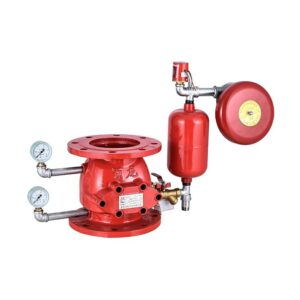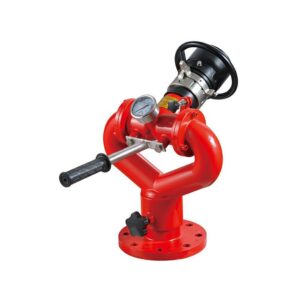
Choosing the right Fire Fighting Valve Manufacturer is one of the most important decisions for developers, contractors, safety consultants, and procurement teams working in fire protection. Whether the project involves commercial buildings, industrial facilities, warehouses, or municipal installations, selecting a trusted manufacturer ensures not only system reliability but also compliance with global safety standards. Because fire protection valves are responsible for controlling, directing, and sustaining water flow during a fire, any compromise in valve quality can lead to catastrophic consequences.
Working with a dependable Fire Fighting Valve Manufacturer also ensures that every product—from gate valves and butterfly valves to hydrant valves, alarm valves, and check valves—undergoes rigorous performance testing before reaching your project site. This is especially important because even minor pressure failures, corrosion issues, or faulty casting can jeopardize the entire fire suppression system. In this article, you will explore the most practical, research-backed, and field-tested ways to select a trustworthy manufacturer, supported by real-world experiences, industry standards, and procurement best practices.
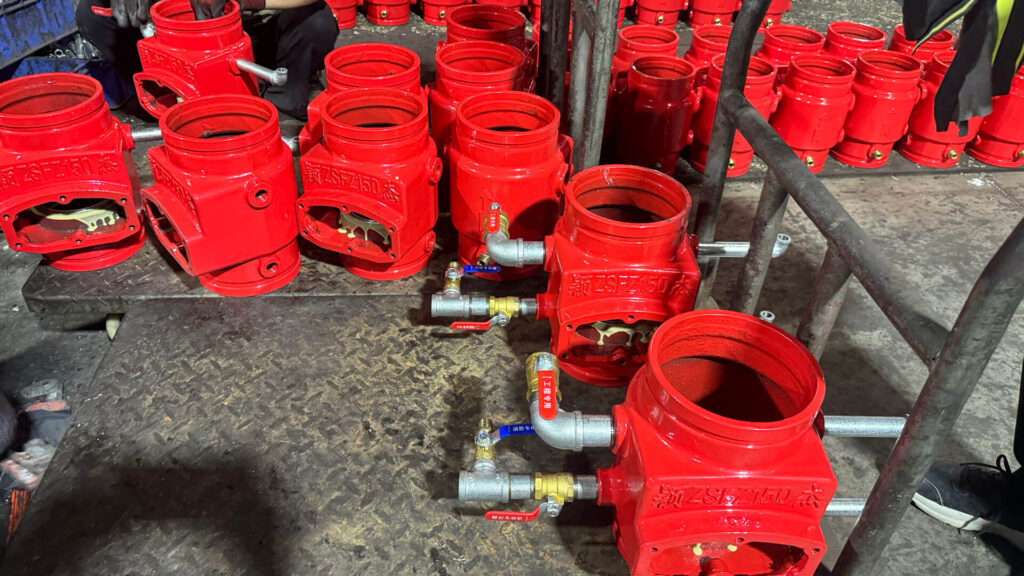
Understanding the Need for a Reliable Fire Fighting Valve Manufacturer
Fire protection systems depend on valves to function safely and effectively. In emergencies, no one can afford delays or failures. Therefore, the manufacturer behind each valve plays a critical role in ensuring performance, durability, and compliance.
Key Role of Valves in Fire Protection Systems
Fire fighting valves serve as the backbone of a fire protection network, regulating water flow, pressure, and distribution. They ensure water is delivered to the right place at the right time with the correct force. While this may sound simple, these valves often operate under immense pressure, high temperature, and corrosive environments. That’s why a reputable Fire Fighting Valve Manufacturer must produce valves that withstand intense real-world conditions.
Valves like hydrant valves, alarm valves, deluge valves, and check valves are considered life-safety equipment. Any malfunction—not opening fully, leaking, or failing under pressure—can lead to property loss or even fatalities. With this in mind, the credibility of the manufacturer becomes non-negotiable.
A company with strong quality assurance, engineering expertise, and global certifications dramatically reduces potential system failures. Moreover, reliable manufacturers invest in materials like ductile iron, brass, bronze, and stainless steel, which are known for their durability and corrosion resistance. This significantly extends the lifespan of the system and reduces maintenance costs.
Essential Certifications & Compliance Standards
Certifications are the first sign of a capable supplier. Top-tier manufacturers typically hold:
- UL Certification
- FM Approval
- CE Certification
- CCCF Certification (China)
- WRAS, ISO9001, ISO14001
These certifications ensure products meet international fire safety benchmarks. If a manufacturer cannot provide legitimate certification documents or transparent test results, it’s best to proceed with caution.
Compliance is more than paperwork—it’s proof that the manufacturer adheres to strictly regulated production systems, testing protocols, and material standards. Procurement managers should never skip certification validation, especially when dealing with overseas suppliers.
Factors to Consider When Selecting a Fire Fighting Valve Manufacturer
Selecting the right Fire Fighting Valve Manufacturer involves evaluating several core factors like material quality, production capacity, and technical capabilities.
Material Quality & Durability Considerations
The raw materials used in valve production determine long-term performance. Leading manufacturers use:
- Ductile iron
- Stainless steel
- Bronze
- Brass
- EPDM rubber (for seals)
- High-grade coatings and anti-corrosion treatments
Each material offers unique advantages:
| Material | Strength | Corrosion Resistance | Typical Use |
|---|---|---|---|
| Ductile Iron | High | Medium | Fire hydrants, gate valves |
| Stainless Steel | Very High | Very High | Industrial fire systems |
| Bronze/Brass | Medium | High | Hydrant valves |
You should always request a material composition report, especially for bulk orders.
Production Capacity & Lead Times
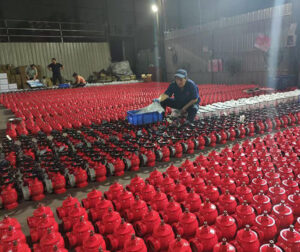
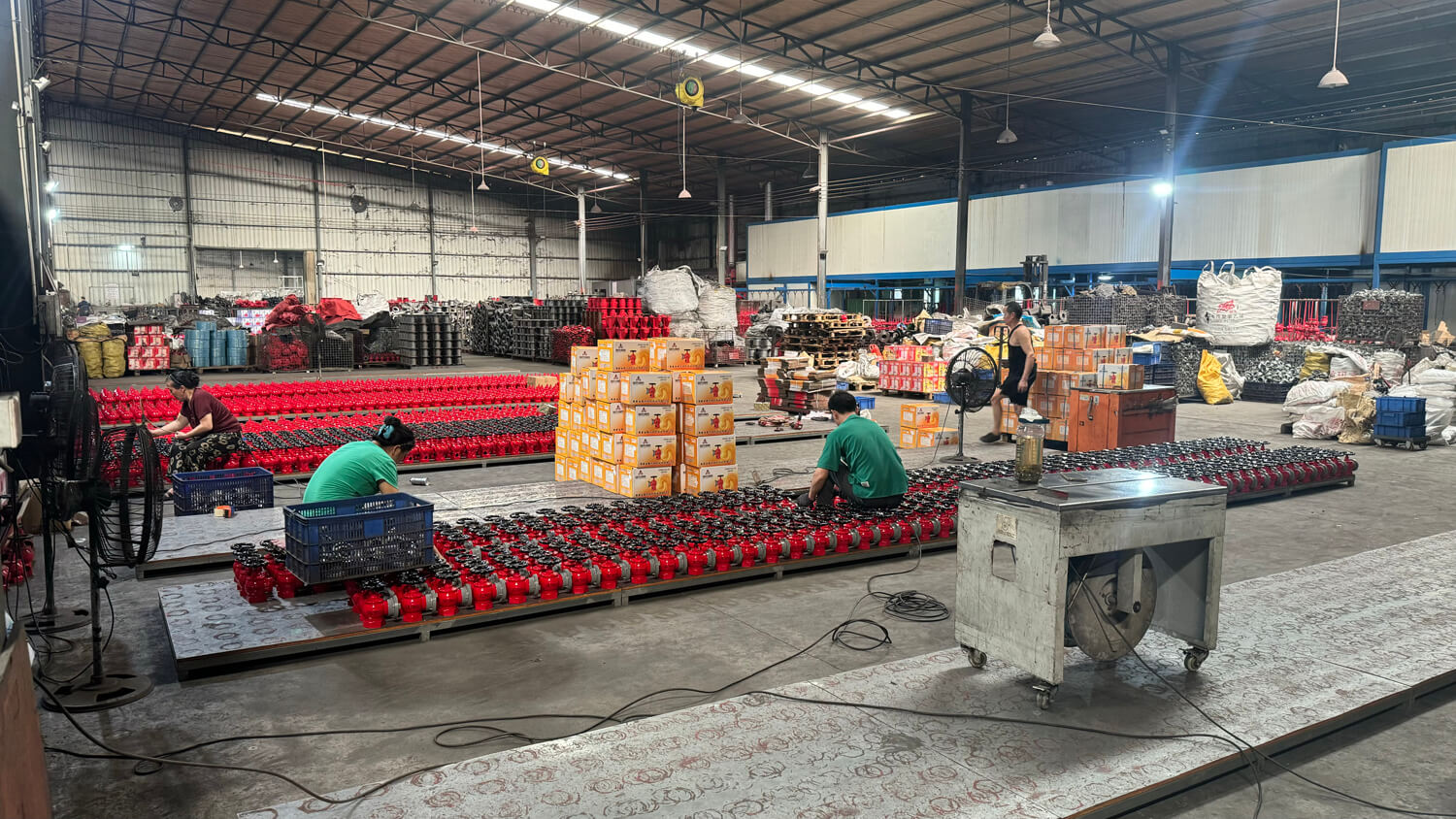
Reliable manufacturers maintain strong production capabilities with:
- Automated casting lines
- CNC machining centers
- Pressure testing machines
- Coating and epoxy treatment facilities
- Large warehousing systems
Consistent production capacity ensures:
- Faster delivery
- Stable supply
- Minimal delays
- Better pricing due to scale
OEM and ODM capabilities also indicate whether the supplier can meet custom project requirements, such as unique thread types, custom colors, or project-specific pressure ratings.
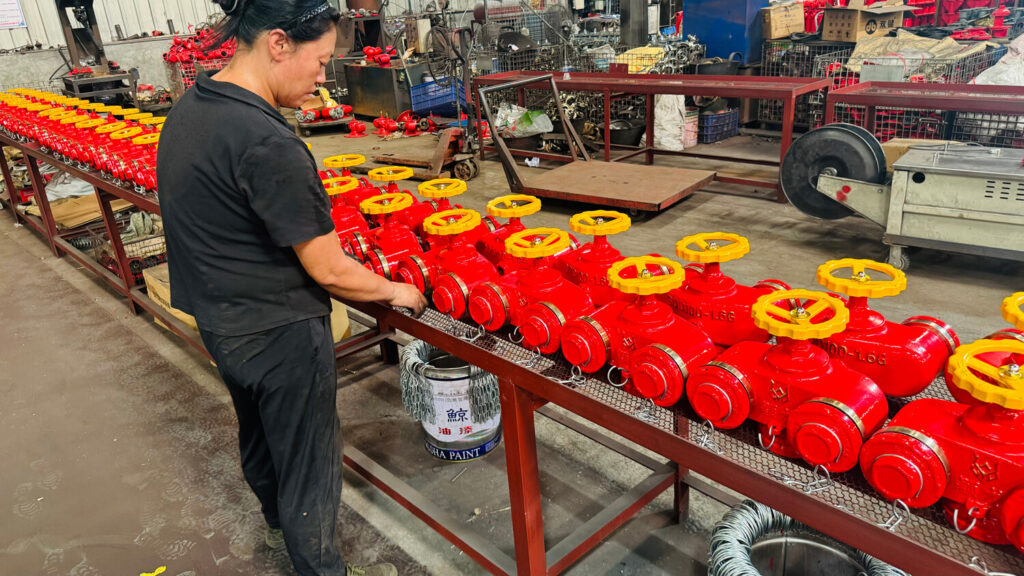
Technical Expertise of a Fire Fighting Valve Manufacturer
Research & Development Strength
A strong R&D team is a sign of long-term stability. Manufacturers that invest in innovation continuously improve performance and safety. This includes:
- Designing advanced sealing structures
- Reducing friction loss
- Creating corrosion-resistant coatings
- Improving valve actuation speed
Companies with R&D capacity tend to provide more durable, safer, and more efficient valves.
Customization & Engineering Support
Projects often require unique specifications. A professional manufacturer should offer:
- Custom dimensions
- Pressure rating modifications
- Custom colors and branding
- Unique thread or flange types
- OEM/ODM services
- Sample development
Having engineers on staff ensures smooth communication and faster technical resolutions.
Evaluating Quality Assurance Practices
Factory Audits & Inspection Processes
Before choosing a Fire Fighting Valve Manufacturer, it’s best to conduct a physical or virtual factory audit. Key things to evaluate include:
- Foundry cleanliness
- Machine calibration
- Worker training levels
- Quality control procedures
- Documented inspection reports
- In-house testing labs
Top manufacturers follow ISO9001 systems and document every step, from raw material inspection to final packaging.
Testing Equipment & Performance Evaluation
A good manufacturer must test:
- Pressure resistance
- Flow rate
- Leakage levels
- Coating thickness
- Surface quality
- Overall product tolerances
Hydrostatic testing and burst testing are essential. The manufacturer should provide video proof or testing documentation for each batch.
Comparing Global & Local Fire Fighting Valve Manufacturers
Price-Value Analysis
While price is important, the cheapest supplier often leads to the costliest problems. Instead of focusing solely on low cost, assess:
- Material quality
- Certification legitimacy
- Warranty period
- Manufacturing country reputation
- Delivery reliability
- Cost of spare parts
Paying slightly more for guaranteed safety is a smart long-term investment.
Logistics & After-Sales Support
Good manufacturers offer:
- Spare parts support
- Packaging customization
- Global shipping
- Technical guidance
- Installation consultation
- Warranty and repair services
After-sales support often separates reputable suppliers from unreliable ones.
Working with the Right Fire Fighting Valve Manufacturer
Red Flags to Avoid
Be cautious if the manufacturer:
- Can’t provide certifications
- Has inconsistent communication
- Offers unclear pricing
- Uses poor packaging materials
- Avoids factory audits
- Has no testing equipment
These signs indicate risk and possible future system failures.
How to Verify Authenticity & Credibility
You can check:
- Online reviews
- Trade fair listings
- Serial code verification
- Third-party inspection reports
- Company registration documents
- Sampling quality
Authenticity checks save you from unexpected problems.
Finalizing the Decision
Best Practices for Long-Term Partnerships
Successful partnerships require:
- Clear contracts
- Transparent communication
- Regular factory visits
- Long-term pricing agreements
- Joint product development
Manufacturers that value relationships deliver better service.
FAQs
What certifications should a Fire Fighting Valve Manufacturer have?
UL, FM, CE, CCCF, and ISO certifications ensure product reliability and compliance.
How do I verify a manufacturer’s credibility?
Request testing videos, certificates, and third-party audit reports.
Is price the best indicator of quality?
Not always. Quality, durability, and certification are far more important.
What material is best for fire fighting valves?
Ductile iron, brass, bronze, and stainless steel are common choices.
Should I visit the factory before ordering?
Yes. Factory audits reveal production capability and quality standards.
Can manufacturers provide customized valves?
Professional companies offer OEM/ODM services and tailored specifications.
Come to a Word
Choosing the right Fire Fighting Valve Manufacturer requires careful evaluation of certifications, material quality, production capabilities, testing procedures, and after-sales support. By working closely with reliable manufacturers, you protect lives, property, and long-term project performance. Prioritizing trust, expertise, and safety ensures that your fire protection systems remain durable, compliant, and resilient for years to come.