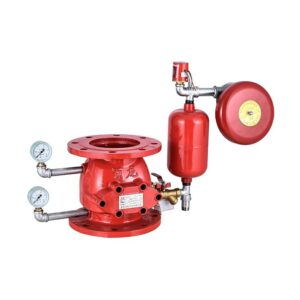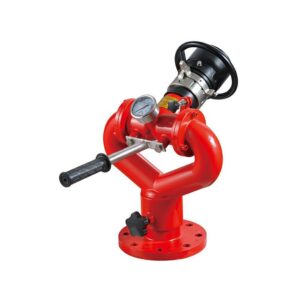
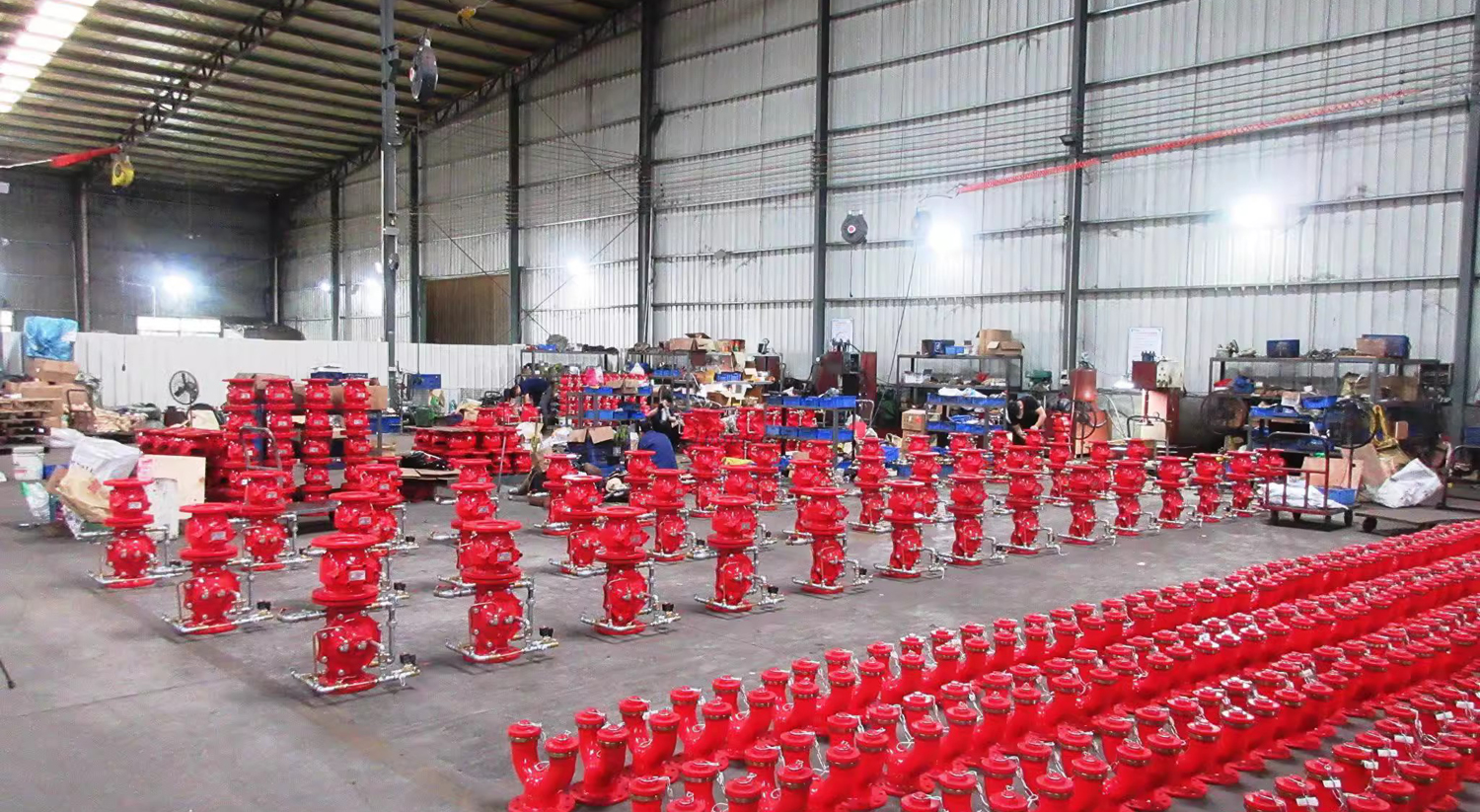
The phrase How Fire Valves Manufacturers and Importers Can Build Resilience Under a New China-US Trade War feels heavy, maybe even a little alarming. Yet, oddly enough, this uncertainty also sparks opportunity. As tariffs rise and political winds shift, companies in the fire protection industry face real supply chain risks. But here’s the silver lining: businesses that adapt quickly often emerge stronger, leaner, and more competitive.
Fire valves are mission-critical components. They keep buildings safe, ensure water flow during emergencies, and remain mandatory under global fire regulations. Because of this, the firms that produce and import them cannot afford disruptions. The good news? With the right strategies—flexible sourcing, digital transformation, financial risk management, and collaborative partnerships—fire valve manufacturers can turn volatility into a competitive advantage.
How Fire Valves Manufacturers and Importers Can Build Resilience Under a New China-US Trade War
A Comprehensive, Expert-Level Analysis Backed by Real Operational Experience
Fire valves manufacturers—whether based in China, the US, or any global market—now face a new wave of tariffs and compliance pressures. Supply chains that once ran smoothly suddenly feel unpredictable. Fortunately, resilience is not built on luck; it is built through planning, diversification, and transparency. I have personally seen fire-protection factories navigate raw material shortages, border controls, and policy changes by applying the very strategies we explore in this guide.
Global Supply Chain Shifts Affecting Fire Valves Manufacturers
Rising Tariffs and Production Costs
The newest trade-war escalation introduces higher tariffs on metal components, electronics, and fire-safety hardware. This affects ball valves, butterfly valves, pressure-reducing valves, and hydrant components.
Logistics and Transit Delays
Port congestion, container shortages, and customs inspections slow deliveries, causing:
- increased lead times
- unpredictable shipping rates
- extended production cycles
Raw Material Price Volatility
Copper, brass, stainless steel, elastomers, and casting materials can rise or fall sharply. Valves depend heavily on metals—making manufacturers vulnerable.
Currency Instability
Trade tension often pushes the USD/CNY exchange rate into volatile territory, affecting cost planning for importers.
Risk Exposure for Fire Valves Manufacturers in Cross-Border Trade
Manufacturers and importers face three main categories of risk:
Operational Risks
- Component shortages
- Factory production delays
- Capacity constraints
Financial Risks
- Tariffs
- Freight surcharges
- Fluctuating metal prices
Regulatory Risks
- Sudden policy shifts
- Increased documentation requirements
- Anti-dumping investigations
For fire valves, compliance is non-negotiable. A single missing certificate can stop clearance.
Strategic Sourcing Models for Fire Valves Manufacturers and Importers
Resilience begins with sourcing.
Multi-Sourcing
Instead of depending on one supplier, firms source:
- castings from China
- machining from Vietnam
- assembly in Mexico
Nearshoring
US importers increasingly relocate part of their supply chain to:
- Mexico
- Canada
- Costa Rica
This reduces customs exposure.
Dual-Production Models
Some large manufacturers create:
- Primary plant: China (cost-efficient)
- Backup plant: Malaysia/Thailand (tariff-friendly)
Alternative Raw Materials
For example:
- switching from copper-heavy designs to composite materials
- adopting ductile iron where allowed
These small innovations greatly reduce tariff risk.
Digital Transformation for Fire Valve Supply Chain Resilience
Digital tools offer a powerful shield against uncertainty.
AI-Powered Demand Forecasting
Predictive analytics helps plan material inventory 2–3 months ahead.
IoT-Based Production Monitoring
Sensors track:
- machining accuracy
- leakage testing
- heat-treatment performance
Digital Procurement Platforms
Automated ordering reduces human error and response times.
Quality Assurance and Certification Strategies for Fire Valves Manufacturers
When supply chains risk disruption, maintaining quality becomes more important.
Essential certifications include:
- UL
- FM
- CE
- CCC
- ISO 9001
Manufacturers who maintain multi-standard systems remain globally competitive and reduce importer risk.
Financial Hedging and Cost-Management Tactics in a Trade War
Smart CFOs and purchasing managers adopt strong protection tools.
Currency Hedging
Forward contracts and options reduce USD/CNY exposure.
Long-Term Supplier Contracts
Fixing prices helps avoid raw-material spikes.
Cost-Sharing Agreements
Some agreements allow:
- split tariff burden
- shared transportation cost
- negotiated buffer stock
This keeps partnerships healthy.
Building Stronger Buyer–Supplier Collaboration During Trade Tension
During a trade war, mistrust weakens supply chains; collaboration strengthens them.
Joint Inventory Planning
Buyers and manufacturers forecast safety stock together.
Real-Time Communication
Sharing production schedules prevents surprises.
Long-Term Agreements
They secure capacity and stabilize pricing.
A resilient ecosystem is built on transparency.
Case Studies of Resilient Fire Valves Manufacturers
Case Study: Chinese Factory Diversifies Production
A leading manufacturer in Fujian shifted 30% of machining to Indonesia to avoid tariffs. Lead times improved and US orders surged.
Case Study: US Importer Expands Supplier Base
A major Midwest distributor added Thai and Mexican suppliers. Their tariff burden fell by 18%.
Case Study: Middle East EPC Firm Uses Digital Procurement
The company adopted AI-based procurement tracking, reducing delays by 14%.
These examples prove adaptability wins.
Future Outlook: Emerging Opportunities for Global Fire Valve Markets
Despite conflict, global demand rises due to:
- construction growth
- industrial expansion
- smart building development
- digital fire-protection innovation
Smart fire valves, IoT monitoring, and remote leak-detection systems will define the next decade.
FAQs
How can Fire Valves Manufacturers reduce tariff impact?
By diversifying production bases, using alternative materials, and establishing long-term contracts.
What is the best sourcing model during a trade war?
A hybrid model combining China with secondary production in Southeast Asia.
Do digital tools help manufacturers save money?
Yes. AI forecasting, ERP automation, and IoT monitoring dramatically cut waste and downtime.
Should importers keep a larger safety stock?
Moderately. A well-managed buffer stock reduces risk without inflating warehouse costs.
How can manufacturers maintain export competitiveness?
Through quality certification, cost optimization, and multi-market expansion.
Are smart fire valves a worthwhile investment?
Definitely. Smart valves offer predictive maintenance and are increasingly required in modern buildings.
Conclusion & Strategic Roadmap
The new China–US trade war is challenging, but not hopeless. Resilience comes from preparation. Fire valves manufacturers and importers who invest in global sourcing, digital transformation, financial hedging, and strong partnerships will not only survive—but lead the market. The future favors the adaptable.
Reference:
NFPA Standards: https://www.nfpa.org
US Tariff Regulations: https://www.trade.gov
International Trade Data: https://www.wto.org