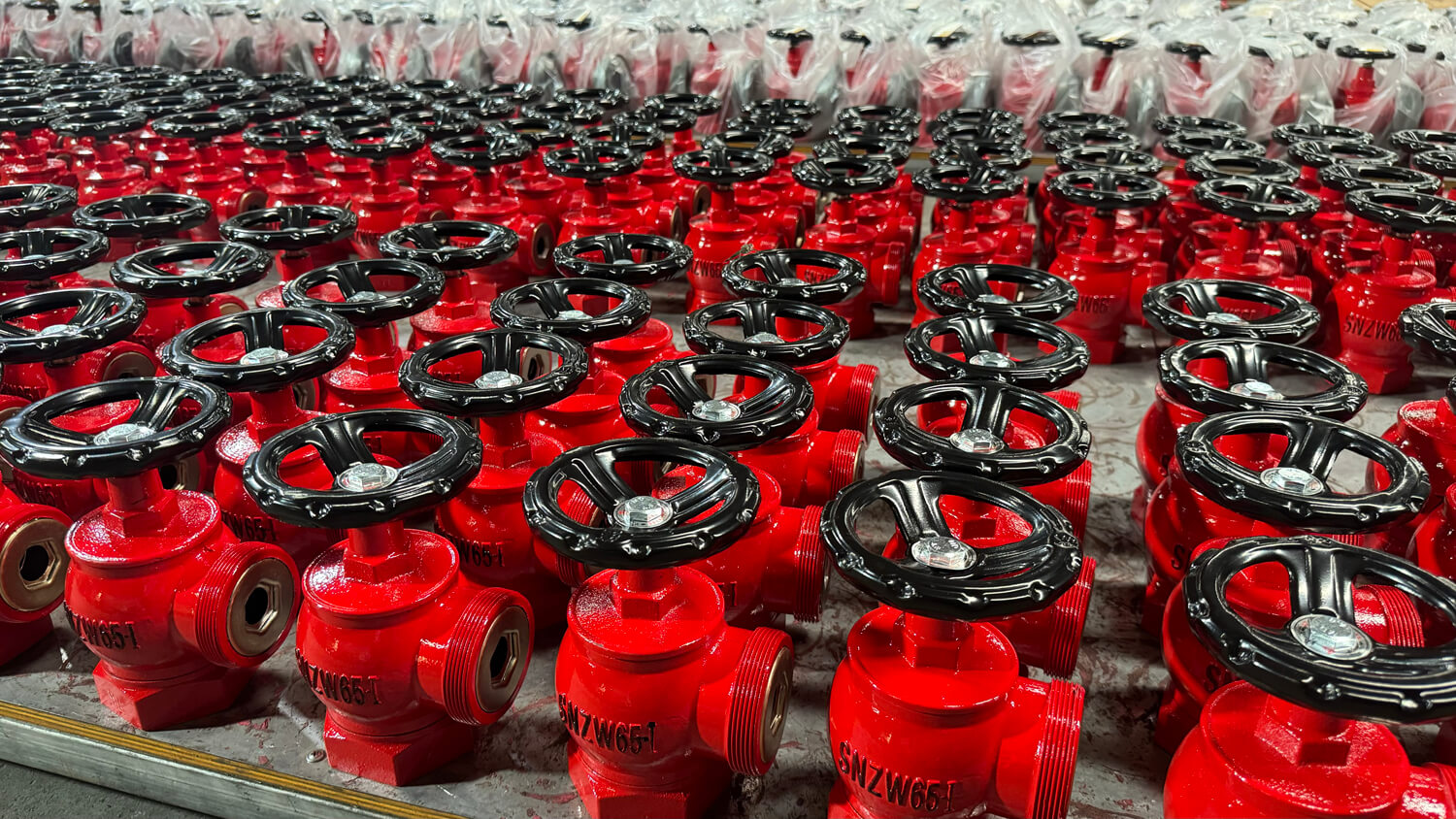
Fire landing valves sit quietly in buildings, yet they hold one of the most powerful roles when an emergency unfolds. These valves form the heart of a fire hydrant system. They provide firefighters with direct access to high-pressure water, allowing them to combat flames quickly.
Fire landing valves are essential devices that control water flow in fire protection pipelines. They connect directly to fire hoses, and when used correctly, they ensure rapid deployment. Whether installed in commercial towers, public areas, factories, or residential complexes, these valves remain a primary safety tool. Even though people pass them daily, very few understand their actual value. This guide aims to bridge that gap.
Interestingly, fire landing valves combine mechanical simplicity with life-saving importance. Their design is predictable, yet their performance determines the fate of property and lives. Because fire emergencies escalate fast, these valves must work smoothly even after long periods of inactivity. Here, reliability is not merely helpful — it is non-negotiable.
Types of Fire Landing Valves
Understanding the types of fire landing valves helps buyers choose the right device for their building’s layout and risk category. Each type fits different water pressure settings, flow needs, or compliance requirements.
Here are the primary classifications:
Pressure Reducing Fire Landing Valves
These valves control water pressure to keep it within safe limits. High-rise buildings often rely on them because pressure tends to increase with elevation changes. A pressure reducing valve allows firefighters to manage water safely, even on the upper floors.
Pressure Restricting Fire Landing Valves
Unlike reducing valves, these restrict water only after activation. They maintain a safe limit regardless of input pressure. This ensures that the valve cannot supply dangerously high-pressure water.
Oblique Pattern Landing Valves
Recognizable by their angled design, these valves connect easily with fire hoses in tight areas. The angle improves ergonomics.
Bib Nose Landing Valves
These valves have a straight-in-line design and are common in older systems. They remain durable and simple to maintain.
Double Outlet Landing Valves
These provide two water outlets from a single valve body. They are useful in large areas where multiple hoses must operate at once.
Breeching Inlets & Dry Riser Inlets
Not exactly landing valves, but part of the broader hydrant system. They allow firefighters to pump water upward through dry risers.
Working Mechanism of Fire Landing Valves
Fire landing valves operate on the simple principle of controlling water flow from the pressurized hydrant pipeline. When a firefighter opens the wheel or lever, the valve stem moves upward. This releases water from the pipeline into the hose.
Although this sounds straightforward, a few critical engineering principles ensure safe operation:
- Water pressure must remain stable
- The valve must open smoothly
- The outlet angle must not obstruct hose connection
- The valve seat must prevent leaks
- Materials must withstand high temperatures and corrosion
Because fire water networks often remain static for months or even years, internal corrosion can develop. Engineers design landing valves with corrosion-resistant alloys to avoid failure. Some modern valves also include internal pressure balancing. This helps firefighters maintain control even when water surges suddenly.
Installation Requirements for Fire Landing Valves
Installing fire landing valves correctly ensures they perform well during emergencies. The installation follows fire codes, building standards, and international safety rules.
Key installation considerations include:
Location and Accessibility
Landing valves must be reachable during a fire. They are typically installed:
- In stairwells
- In fire hose cabinets
- At building entrances
- On external walls
- In wet and dry riser systems
They should be visible and marked clearly.
Height Requirements
Most building codes require installation between 1 meter and 1.2 meters from the ground. This makes them comfortable to operate.
Pipeline Compatibility
Landing valves should match the pipeline diameter and pressure specification. Incorrect pipe sizes can cause water leakage or reduced performance.
Isolation Ability
Each valve should have isolation capability, allowing maintenance without shutting down the entire system.
Signage & Visibility
Clear signage ensures firefighters can spot the valve instantly.
Materials and Manufacturing Standards of Fire Landing Valves
To withstand demanding environments, fire landing valves use robust materials. Common materials include:
- Brass — corrosion-resistant, widely used
- Gunmetal — extremely durable and heat-resistant
- Stainless Steel — used for harsh conditions
- Ductile Iron — cost-effective, strong
Manufacturing Standards
Landing valves follow strict global standards:
- BS 5041
- EN 671
- UL 1468
- SS 275
- ISO 9001 manufacturing certification
These standards ensure:
- Optimal water flow
- Safe pressure limits
- Material strength
- Reliable failure prevention
Manufacturers must test valves under actual pressure conditions. Only certified products should enter life-safety systems.
Testing and Maintenance of Fire Landing Valves
Testing fire landing valves ensures they will perform efficiently during emergencies. Regular maintenance prevents surprises.
Testing Steps
- Pressure Testing: Apply pressure to confirm no leaks
- Operational Testing: Open and close the valve to verify smooth movement
- Flow Testing: Measure water output
- Seat Leak Inspection: Ensure tight sealing
Maintenance Tips
- Lubricate moving parts
- Check corrosion regularly
- Replace worn washers
- Keep signage intact
- Verify hose connection threads
A neglected landing valve poses real danger. Testing and maintenance keep the entire fire protection network dependable.
Common Problems and Troubleshooting Fire Landing Valves
Even good valves can face issues with age or exposure. Below are common problems and simple solutions:
Leaks Around Valve Seat
Cause: worn washer
Fix: replace washer and check seat alignment
Difficult Opening Mechanism
Cause: rust or poor lubrication
Fix: apply proper lubricant
Low Water Pressure
Cause: pump failure, clogged pipes
Fix: inspect system and flush pipeline
Cracks in Valve Body
Cause: material fatigue or vandalism
Fix: replace entire valve
Corrosion
Cause: environmental exposure
Fix: choose brass or stainless-steel models
How to Choose Reliable Fire Landing Valves
Millions of buyers feel overwhelmed when selecting fire landing valves. But by following a few guidelines, you can make a confident choice.
Check Certifications
Certified valves guarantee reliability.
Evaluate Materials
Choose corrosion-resistant metals.
Confirm Pressure Rating
Ensure compatibility with your hydrant system.
Brand Reputation
Select manufacturers with proven quality.
After-Sales Support
A good supplier provides spare parts and testing advice.
Applications of Fire Landing Valves in Modern Firefighting
Fire landing valves appear in almost every large building: malls, factories, hospitals, power plants, and more.
High-Rise Buildings
Pressure reducing valves are essential.
Industrial Facilities
Need heavy-duty materials such as gunmetal.
Commercial Spaces
Double outlet valves speed response.
Municipal Buildings
Require strict compliance with local standards.
Compliance, Certifications, and International Standards
International regulations ensure valves perform under real emergency conditions. Common certifications include:
- UL
- FM
- CE
- ISO 9001
- EN Standards
Compliance prevents disasters. Authorities test valves for pressure endurance, leak resistance, and long-term stability.
Fire landing valves may seem small, but they hold enormous responsibility. They serve as vital lifelines during emergencies. By understanding their types, mechanisms, installation rules, and maintenance needs, you can keep buildings safer and more resilient. As this comprehensive guide shows, the right landing valve can make the difference between a controlled fire and a devastating loss.
Reference
- https://nfpa.org — NFPA Fire Safety Standards
- https://ul.com — UL Certification Database
- https://iso.org — ISO Standards for Fire Systems