When it comes to protecting a building, a Fire Hydrant Box plays a bigger role than most people realize. It’s not just a metal cabinet hanging on the wall. It’s a life-saving station that stores water flow controls and fire hoses, making it possible for firefighters—or even trained occupants—to fight flames quickly.
Because fire emergencies strike without warning, knowing Everything You Need to Know About Fire Hydrant Box isn’t just helpful—it’s essential. Whether you manage facilities, own a building, or work in safety compliance, understanding how these boxes work can help you respond with confidence if disaster ever strikes.
What is a Fire Hydrant Box?
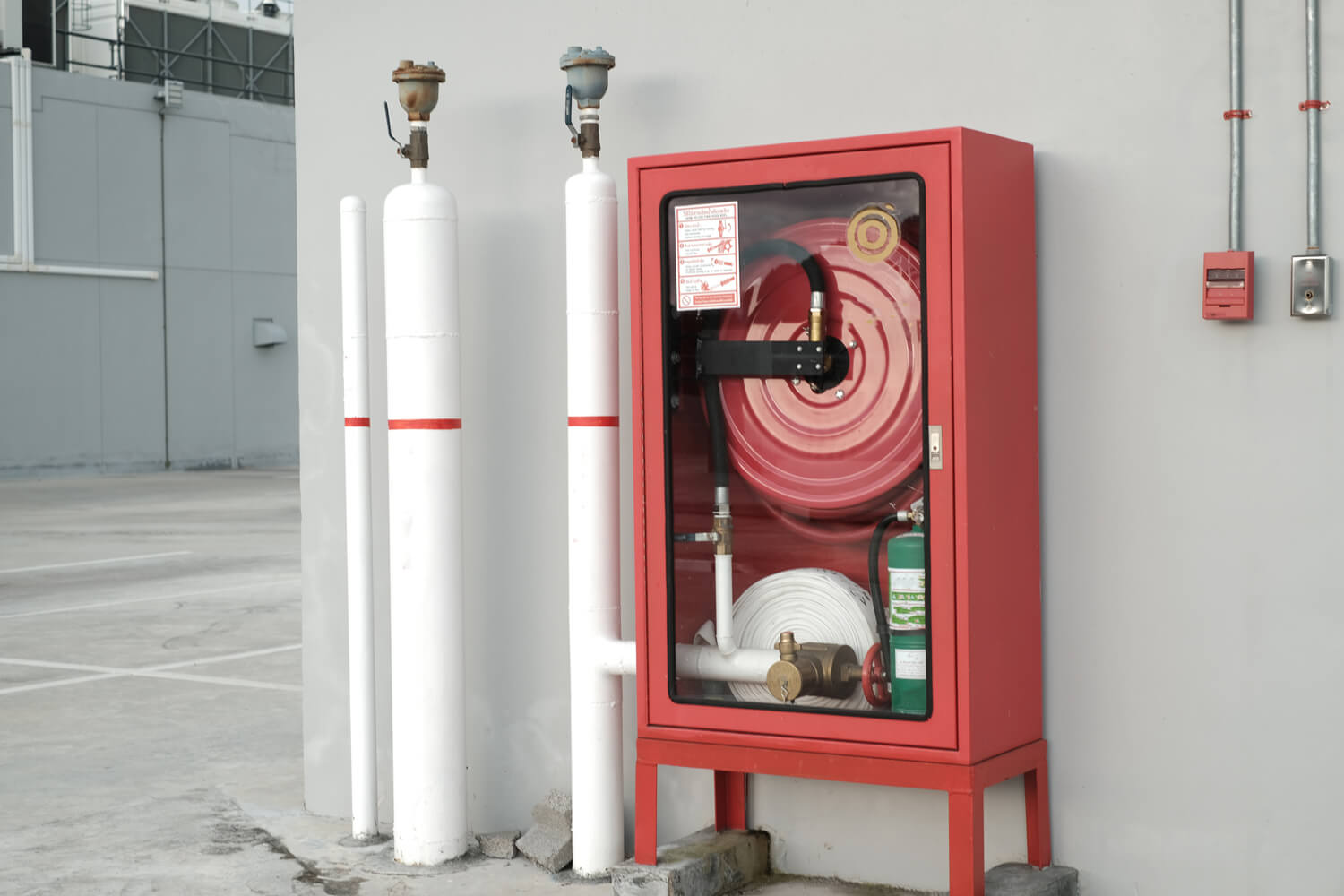
A Fire Hydrant Box is a protective cabinet that holds important firefighting equipment such as hoses, valves, nozzles, and hose reels. It helps ensure the equipment is safe, clean, and ready to use during an emergency. These boxes are usually placed near staircases, corridors, outdoor hydrants, or building entrances so they’re easy to access.
Main features include:
- A door with a clear label
- A hose rack or reel
- A hydrant valve
- A nozzle and adapter
- A strong metal cabinet to prevent damage
You’ll often see these in places like shopping malls, schools, factories, warehouses, hotels, and public buildings. When properly installed, they allow trained personnel to respond before firefighters arrive, reducing fire damage and helping control flames quickly.
Types of Fire Hydrant Boxes
Fire hydrant boxes come in several designs depending on where they’ll be used.
Indoor Fire Hydrant Box
Used in commercial buildings, apartments, and offices
- Often recessed into the wall
- Protects the equipment from tampering
- More aesthetic and space-saving
Outdoor Fire Hydrant Cabinet
Common in factories, industrial zones, and parking lots
- Weatherproof
- Usually surface-mounted
- Made with heavy-duty steel
Recessed Fire Hydrant Box
- Fits inside wall cavities
- Looks neat and sleek
- Prevents accidental bumps or damage
Surface-Mounted Fire Hydrant Box
- Easy to install
- No wall reconstruction needed
- Ideal for old buildings
Here’s a quick comparison:
| Type | Best For | Benefits |
|---|---|---|
| Indoor | Offices, hospitals | Clean appearance |
| Outdoor | Factories, open areas | Weather-resistant |
| Recessed | Modern buildings | Space-saving |
| Surface-Mounted | Renovation projects | Easy installation |
Key Components Inside a Fire Hydrant Box
A hydrant box isn’t useful unless it contains the right tools. Most cabinets include:
Fire Hose
Either flat hose or semi-rigid hose.
Helps direct water to the fire.
Nozzle
Controls the water spray pattern.
Types: jet, fog, adjustable.
Landing Valve
Connects the hose to the building’s water supply.
Hose Reel (Optional)
Used in some indoor systems for faster deployment.
Spanner Wrenches
To tighten or loosen hose couplings.
Pressure Gauge
Shows water pressure coming from the system.
Having all components working perfectly can save lives in a critical moment.
Fire Hydrant Box Installation Guidelines
Installing a hydrant box isn’t something you guess—it follows fire safety regulations.
Height and Placement
- Usually installed at 1.1–1.3 meters from the floor
- Must be visible and easy to reach
- Placed near exits, staircases, hallways
Door Requirements
- Must open easily
- Should not be blocked
Compliance Standards
Fire hydrant boxes follow rules from:
- Local fire departments
- NFPA (National Fire Protection Association)
- ISO and EN safety standards
Each country may have different installation requirements, so always check local laws.
Material Options for Fire Hydrant Box Construction
Different buildings require different materials. Fire hydrant boxes are made using:
Stainless Steel
- Rust-proof
- Long lifespan
- Perfect for coastal or humid areas
Mild Steel
- Strong and durable
- Cost-effective
- Usually powder-coated red
FRP (Fiber Reinforced Plastic)
- Lightweight
- Corrosion-resistant
- Good for chemical plants
Aluminum
- Lightweight
- Doesn’t rust
- Used in modern designs
How Fire Hydrant Boxes Work During Emergencies
Here’s what usually happens during a fire:
- A trained person opens the Fire Hydrant Box.
- They pull the hose and connect it to the landing valve.
- They open the valve to let water flow.
- Water travels with strong pressure through the hose.
- The nozzle is aimed at the fire to control or reduce flames.
Hydrant systems get their water from:
- Fire pumps
- Water tanks
- Municipal water lines
- Underground fire mains
Even a small delay can make a huge difference, which is why the box must be easy to use.
Fire Hydrant Box Maintenance & Inspection
A hydrant box is only helpful if everything inside works.
Routine Checks
- Inspect monthly
- Ensure hoses are not cracked
- Check pressure gauge
- Make sure box door opens smoothly
Annual Maintenance
- Replace damaged parts
- Test hydrant valves
- Clean and repaint outdoor boxes
Why It Matters
Without regular upkeep, hoses may leak, valves may jam, and the entire system may fail during an emergency.
Standards & Certifications for Fire Hydrant Boxes
Fire hydrant systems follow important safety standards:
| Standard | Purpose |
|---|---|
| NFPA 13 | Sprinkler system design |
| NFPA 14 | Standpipe & hydrant rules |
| EN 671 | Hose system requirements |
| UL/FM | Component safety certifications |
Understanding these helps ensure your building meets inspection codes.
Choosing the Right Fire Hydrant Box for Your Building
Here’s how to pick the right one:
Consider the Environment
- Moisture? Choose stainless steel
- Outdoor heat? Go for heavy-duty powder-coated steel
Determine Storage Capacity
- One hose or two
- With or without reel
Choose the Right Mounting Style
- Recessed for modern interiors
- Surface-mounted for quick installation
Check Accessories
- Nozzle type
- Hose length
- Lock or no lock
A reliable supplier should give a proper product certificate and testing report.
Common Problems & Troubleshooting
Even the best hydrant boxes can face issues:
Leaking Hose
Cause: worn-out hose fabric
Fix: replace the hose immediately
Jammed Door
Cause: rusted hinges
Fix: lubricate or replace
Low Water Pressure
Cause: pump failure or clogged pipes
Fix: inspect and clean the system
Missing Tools
Cause: poor maintenance
Fix: assign a safety manager to check regularly
Cost, Lifespan & Purchasing Tips
Average Cost
- Indoor box: $40–$150
- Outdoor cabinet: $80–$300
- Stainless steel models: more expensive
Lifespan
- Mild steel: 8–12 years
- Stainless steel: 12–20 years
- FRP: 10–15 years
Buying Tips
- Request test reports
- Choose a certified brand
- Check thickness of materials
- Compare warranties
External source:
NFPA fire safety standards: https://www.nfpa.org
FAQs
What is the purpose of a Fire Hydrant Box?
It stores fire hoses and valves safely for quick emergency use.
How often should a Fire Hydrant Box be inspected?
Monthly visual checks and yearly maintenance are recommended.
Can anyone open a Fire Hydrant Box?
Yes, but only trained personnel should operate the equipment.
Is stainless steel better than mild steel?
Yes, especially in humid or coastal areas since it doesn’t rust.
Do all buildings need a Fire Hydrant Box?
Most commercial, industrial, and public buildings require them by law.
What size hose fits inside a Fire Hydrant Box?
Typically 1.5-inch or 2.5-inch fire hoses, depending on local regulations.
A Fire Hydrant Box is one of the most important fire safety installations in any building. From storing hoses to protecting valves and nozzles, it makes emergency response faster, safer, and more effective. When you understand how it works, how to maintain it, and how to choose the right type, you’re better prepared to handle fire risks and keep people safe.
Knowing Everything You Need to Know About Fire Hydrant Box gives you confidence and peace of mind—and that’s something every building owner or safety manager needs.