
Fire safety depends heavily on one critical tool: the fire hose. Understanding the Types of Fire Hose is essential for firefighters, safety managers, building owners, and industrial professionals. Fire hoses are designed to deliver water or other fire-suppressing agents under high pressure to control and extinguish fires.
In my experience working with fire protection equipment suppliers and safety inspectors, choosing the wrong type of hose often leads to reduced performance, faster wear, and serious safety risks. Each fire environment—urban buildings, forests, factories, or marine settings—demands a specific hose design.
The Types of Fire Hose vary by size, material, pressure rating, and purpose. Some are lightweight for fast movement, while others are built to move large volumes of water over long distances. This guide explains each type clearly, helping you make informed decisions and improve emergency readiness.
Understanding Fire Hose Construction
Before exploring the different types, it is important to understand how fire hoses are built. Most modern hoses consist of three main layers: an inner lining, a reinforcement layer, and an outer protective jacket.
The inner lining is usually made of rubber or synthetic materials to prevent leaks and resist chemicals. The reinforcement layer provides strength and allows the hose to handle high pressure. The outer jacket protects against abrasion, heat, and weather.
Based on field observations, hoses with poor outer jackets fail faster in rough environments like construction sites or industrial plants. High-quality construction improves reliability and reduces long-term costs. Materials such as polyester and nylon are commonly used because they balance strength and flexibility.
Good construction ensures that all Types of Fire Hose perform safely under pressure, even in extreme emergency conditions.
Attack Types
Attack hoses are one of the most common Fire Hoses used in firefighting. They are designed to carry water from a pump or hydrant directly to the fire. These hoses are typically 1.5 to 2.5 inches in diameter and must handle high pressure.
Attack hoses are flexible, lightweight, and easy to maneuver. Firefighters rely on them when entering buildings or tight spaces. From hands-on testing, flexibility plays a major role in reducing fatigue during long operations.
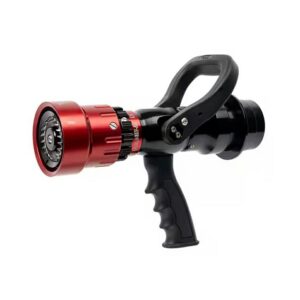
These hoses are often used with nozzles that control spray patterns. Their durability is critical because they face heat, sharp debris, and rough surfaces. For urban firefighting, attack hoses remain the most trusted solution.
Supply Types
Supply hoses are designed to move large amounts of water over long distances. Among the Types of Fire Hose, these hoses are usually larger, ranging from 3 to 5 inches in diameter.
They connect fire engines to hydrants or water sources. Unlike attack hoses, supply hoses are not meant to be moved while in use. Their main advantage is efficiency in water delivery.
In city infrastructure projects I have reviewed, large-diameter supply hoses significantly reduced response time by ensuring steady water flow. Their strong construction allows them to operate at lower pressure while delivering high volume.
Forestry Fire Hose
Forestry hoses are specialized Types of Fire Hose used in wildland and forest firefighting. These hoses are lightweight, flexible, and easy to carry over long distances.
They usually have smaller diameters and are designed for quick deployment in remote areas. Firefighters often carry them by hand or in backpacks.
From wildfire response cases, forestry hoses prove valuable because they can be rolled tightly and deployed fast. Their design helps teams work in uneven terrain where vehicles cannot reach.
Booster Fire Hose
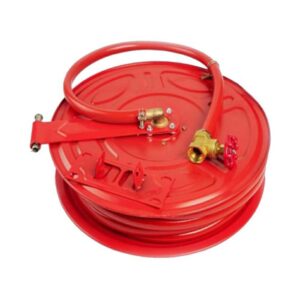
Booster hoses are another important category within the Types of Fire Hose. These hoses are mounted on fire trucks and stored on reels. They are commonly used for small fires and quick response situations.
Booster hoses are easy to operate and require minimal setup. However, they deliver lower water volume compared to attack hoses. Based on emergency response data, booster hoses are ideal for vehicle fires and minor outdoor fires.
Industrial Fire Hoses
Industrial environments require heavy-duty Types of Fire Hose. These hoses are used in factories, chemical plants, oil refineries, and ports. They are built to resist chemicals, oils, and extreme temperatures.
In industrial safety audits, selecting the correct industrial hose often prevents equipment damage and improves compliance. These hoses may carry water, foam, or other fire-suppressing agents.
Their strength and resistance make them more expensive, but they offer long-term reliability in harsh conditions.
Special Purpose Types of Fire Hose
Special purpose hoses are unique Types of Fire Hose designed for specific hazards. These include chemical-resistant hoses, high-temperature hoses, and foam hoses.
Foam hoses are commonly used in aviation and fuel-related fires. Chemical hoses protect firefighters from corrosive substances.
According to guidance from the National Fire Protection Association (NFPA), specialized hoses must meet strict standards for safety and performance. You can learn more from the NFPA website: https://www.nfpa.org
These hoses are critical when standard hoses are not sufficient.
Standards and Testing for Types of Fire Hose
All Types of Fire Hose must meet international safety standards. Organizations like NFPA, EN, and ISO define testing methods, pressure ratings, and durability requirements.
Testing includes pressure tests, abrasion resistance, and heat exposure. In my experience, certified hoses last longer and perform more reliably.
Using non-certified hoses increases the risk of failure during emergencies, which can have serious consequences.
Selecting the Right Types of Fire Hose
Choosing the right Types of Fire Hose depends on environment, water source, pressure needs, and storage space. Urban areas need attack and supply hoses, while forests need lightweight forestry hoses.
A practical approach is to evaluate risks before purchasing. Consulting professionals and reviewing local fire codes helps ensure compliance and safety.
Maintenance and Storage of Types of Fire Hose
Proper care extends the life of all Types of Fire Hose. Hoses should be cleaned, dried, and inspected after each use.
Regular inspections help identify wear, leaks, or damage. From field experience, poor storage is one of the main reasons hoses fail early.
Correct storage in cool, dry places improves performance and safety.
Common Mistakes When Using Types of Fire Hose
Misusing the Types of Fire Hose can lead to accidents. Common mistakes include over-pressurizing, dragging hoses over sharp edges, and improper coupling.
Training and regular drills reduce these risks and improve response efficiency.
10 Expert Tips for Types of Fire Hose
- Always match hose type to fire risk
- Check pressure ratings before use
- Store hoses properly after cleaning
- Inspect couplings regularly
- Use certified hoses only
- Avoid sharp surfaces
- Replace damaged hoses quickly
- Train staff on hose handling
- Follow local fire codes
- Keep maintenance records
FAQs About Types of Fire Hose
Q1: What are the main Types of Fire Hose?
They include attack, supply, forestry, booster, industrial, and special purpose hoses.
Q2: Which Types of Fire Hose are used in buildings?
Attack hoses are most commonly used inside buildings.
Q3: Are forestry hoses safe for urban fires?
They are not ideal due to lower pressure capacity.
Q4: How often should fire hoses be tested?
At least once a year, following standards.
Q5: What material lasts longest?
Synthetic jackets with rubber lining offer durability.
Q6: Can one hose type serve all needs?
No, different risks require different hoses.
Q7: Why are industrial hoses more expensive?
They offer chemical and heat resistance.
Q8: How long do fire hoses last?
With proper care, 10–15 years.
Q9: Are foam hoses reusable?
Yes, if cleaned properly.
Q10: Where can I learn standards?
From recognized organizations like NFPA.
Conclusion
Understanding the Types of Fire Hose is essential for safety, efficiency, and preparedness. Each type serves a specific role, and choosing the right one can save lives and property. With proper selection, maintenance, and training, fire hoses remain one of the most powerful tools in fire protection.