Welcome to the definitive resource for fire safety procurement. You are likely here because you need reliable, high-quality firefighting equipment. We completely understand that. When lives are on the line, there is absolutely no room for error. You need gear that works every single time. As a direct manufacturer, we see exactly what goes into making top-tier water delivery devices. We know the raw materials. We understand the complex engineering. And most importantly, we know what you need as a buyer.
You want durability. You want fair pricing. You want a supply chain partner you can actually trust. Well, you have come to the right place. This guide will walk you through everything you need to know this year. We will cover the latest materials. We will dive into flow rates and pressure dynamics. We will even show you how buying direct saves your budget.
Procurement managers often face a tough challenge. You have to balance strict safety standards with tight department budgets. It is not an easy job. Frankly, it can be quite stressful. However, having the right information changes everything. You can make smarter purchasing decisions. You can stock up on industrial hose attachments that outlast the competition.
Our goal is simple. We want to empower you. We want to give you the inside scoop from the factory floor. By the end of this guide, you will be an expert in selecting the perfect safety tools for your clients or municipal departments. Let’s get started on building a safer, more efficient future together.
The Evolution of Modern Firefighting Equipment
Firefighting has changed dramatically over the decades. Back in the day, firefighters relied on basic, heavy brass pipes. These older models were incredibly tough. However, they were also very difficult to maneuver. Imagine hauling heavy metal up three flights of stairs. Phew! It was exhausting work. Your end-users need better solutions today.
Today, engineering has leaped forward. We now use computer-aided design to create advanced water delivery systems. The focus has shifted to user ergonomics and precise flow control. As a manufacturer, we have watched this evolution firsthand. We constantly upgrade our CNC machines to craft tighter tolerances. Tighter tolerances mean fewer leaks and better performance. This is exactly what you should look for when buying in bulk.
The transition from simple shut-off valves to complex, selectable flow devices is amazing. Years ago, a firefighter had one option for water pressure. Now, they can adjust the stream on the fly. This adaptability saves properties and lives. We engineer our products to meet these modern demands. We listen to the feedback from fire chiefs and safety officers. Then, we take those ideas straight to the drafting board.
Your customers expect the latest technology. They want equipment that reduces physical strain. They demand reliability under extreme heat. By understanding how far this industry has come, you can better appreciate the value of modern designs. You are not just buying a metal tube. You are investing in decades of continuous, hard-earned innovation.
Understanding Gallonage and Water Flow Dynamics
Water flow dynamics are critical for effective fire suppression. You simply cannot ignore the math. The primary measurement you need to care about is Gallons Per Minute (GPM). If the GPM is too low, the fire will simply outpace the water. If it is too high, you risk severe water damage and rapid tank depletion. Getting it right is a delicate balance.
As a supplier, you must understand operational pressure. Standard models usually operate at 50, 75, or 100 PSI (Pounds per Square Inch). Lower pressure models are gaining huge popularity right now. Why? Because they reduce the reaction force on the firefighter. Less kickback means less fatigue. This is a massive selling point for your clients. Always highlight this benefit during your sales pitch.
Let’s look at how flow rates compare across different types of industrial hose tips. We have created a simple chart to help you understand the variations. This data is vital for stocking the right inventory.
| Attachment Type | Typical Pressure (PSI) | Average Flow Rate (GPM) | Best Use Case |
| Low-Pressure Fog | 50 – 75 | 100 – 200 | Interior structural attack |
| Standard Selectable | 100 | 95 – 250 | General municipal firefighting |
| High-Volume Master | 80 – 100 | 350 – 1000+ | Large industrial fires |
| Wildland Low-Flow | 50 | 10 – 50 | Brush and forest fires |
Friction loss is another huge factor. When water travels through a long hose, it loses pressure. The longer the hose, the more pressure drops. Your buyers need attachments that can still perform well even when friction loss is high. We specifically design our internal waterways to be as smooth as glass. This minimizes turbulence. It maximizes the reach of the stream. Knowing these technical details builds your authority as a trusted B2B distributor.
Core Materials: Brass, Aluminum, and Composite Designs
Materials matter. In fact, materials are everything in our business. When you source firefighting gear, the metal used dictates the lifespan of the product. Historically, cast brass was the undisputed king. It resists corrosion beautifully. It handles rough treatment well. However, brass is incredibly heavy. While we still manufacture brass fittings for marine environments, the industry has largely moved on.
Enter hard-anodized extruded aluminum. This is the modern standard. It is lightweight, yet incredibly strong. Extruded aluminum weighs about half as much as brass. For a firefighter holding a hose for hours, that weight reduction is a game-changer. We treat our aluminum with a hard-coat anodized finish. This process makes the surface harder than standard steel. It prevents scratches and stops corrosion dead in its tracks.
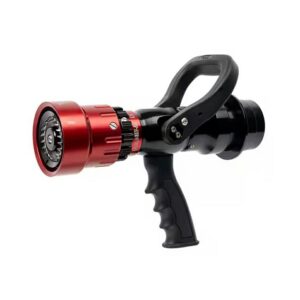
Recently, composite plastics have also entered the market. We use high-impact polymers for certain components, like bumper rings and pistol grips. These parts do not conduct heat or cold. If you are fighting a fire in freezing winter conditions, a composite handle will not freeze your hand. That is a brilliant design feature. It is a feature you should actively promote to departments in colder climates.
You need to know the origin of these materials. We source only top-grade alloys for our manufacturing process. Subpar metal leads to catastrophic failures. We refuse to cut corners on raw materials. When you buy from a reputable factory, you get consistency. You get a product that survives drop tests, extreme heat, and daily abuse. Your clients will notice the superior build quality immediately.
Types of Industrial Hose Attachments and Their Uses
Variety is the spice of life, right? Well, it is also essential in fire suppression. There is no single magic tool that fights every type of fire. Different scenarios demand different spray configurations. You need to stock a comprehensive catalog to serve your market effectively. Let’s break down the main categories you will encounter.
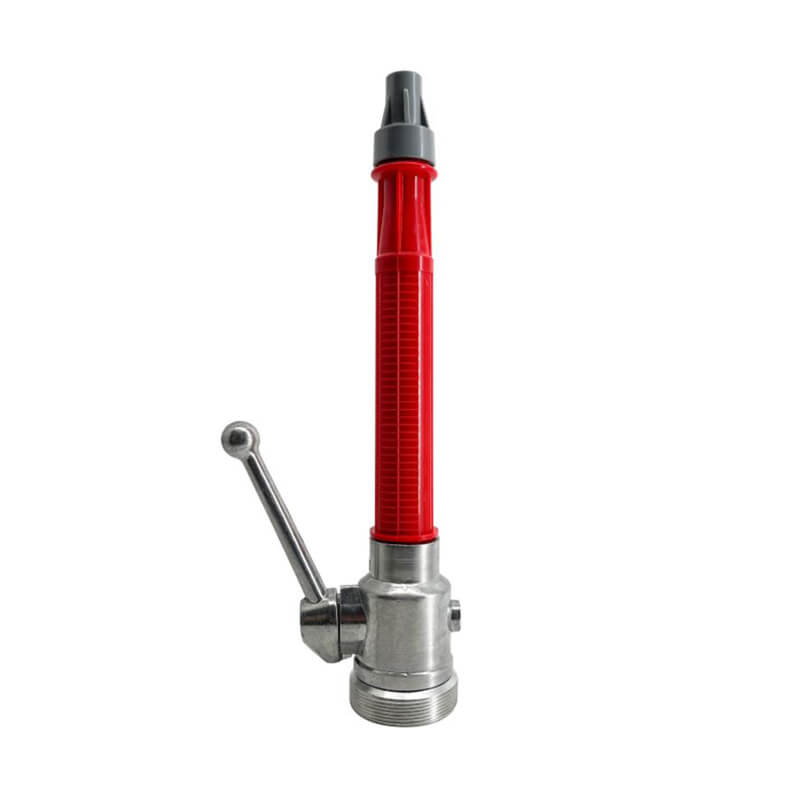
First, we have the smooth bore designs. These are beautifully simple. They consist of a solid, tapered metal pipe. They deliver a solid column of water at lower pressures. Smooth bores offer incredible reach and penetration. They punch right through debris to hit the seat of the fire. Many veteran firefighters swear by them. They are rugged and almost impossible to clog with dirty water.
Next, you have fog models. These break the water into tiny droplets. The massive surface area of these droplets absorbs heat rapidly. They turn to steam, which displaces oxygen and smothers the fire. Fog designs can usually be adjusted. You can shift from a wide protective screen to a straight, forceful stream. They are highly versatile.
Then, there are automatic flow models. These are engineering marvels. They feature a smart internal spring mechanism. This spring adjusts the baffle based on the water pressure available. Even if the pump pressure drops suddenly, the stream remains firm and effective. This takes the guesswork out of the hands of the firefighter. It allows them to focus purely on the tactical attack. By understanding these options, you can advise your clients on the absolute best tools for their specific municipal or industrial risks.
Why Partnering With a Direct Manufacturer Saves You Money
Let’s talk about the bottom line. Budget is always a major concern. Every procurement officer wants to stretch their dollars further. Buying through multiple layers of middlemen drains your budget rapidly. Each distributor adds their own markup. By the time the safety gear reaches your warehouse, the price has skyrocketed. This is where direct manufacturing partnerships come in.
When you buy directly from us, you cut out the excess fat. You get factory-direct pricing. This allows you to increase your own profit margins. Or, you can pass the savings on to your clients to win more bids. We operate efficiently. We produce in bulk. We manage the entire supply chain from raw aluminum to the final assembled product. This efficiency directly benefits your wallet.
Furthermore, we offer incredible customization. Do your clients need a specific thread type, like NST or NPSH? We can machine it. Do they want custom laser engraving for department identification? We can do that too. Middlemen simply cannot offer this level of flexibility. We adapt to your exact specifications without massive delays.
Quality control is another massive advantage. We adhere strictly to international safety and manufacturing standards. You can read more about these rigorous standards through organizations like the NFPA. Because we oversee every step, our defect rate is practically zero. You spend less time dealing with returns and warranties. A strong B2B partnership with a factory provides stability, savings, and peace of mind.
Crucial Maintenance Steps for Heavy-Duty Water Sprayers
Even the toughest equipment needs a little TLC. Firefighting environments are harsh. Mud, soot, and chemical foam can wreak havoc on mechanical parts. If your clients do not maintain their gear, it will fail. As a supplier, educating your buyers on maintenance adds immense value. It shows you care about their long-term success.
The first rule is simple: flush the equipment after every single use. Dirt and grit easily get trapped inside the internal waterways. If left there, they will scratch the moving parts. A quick flush with clean, fresh water prevents 90% of operational issues. Always rotate the pattern sleeve during the flush. This ensures debris is cleared from behind the baffle head.
Gasket inspection is another critical step. The rubber gaskets create the watertight seal. Over time, rubber dries out and cracks. Instruct your clients to visually inspect the swivel gaskets monthly. If they look dry or cracked, replace them immediately. Gaskets are cheap. A leak during a major structural fire is disastrous.
Finally, proper lubrication is essential. We use specific silicone-based lubricants at the factory. Oil-based lubricants can actually degrade the rubber O-rings over time. You should always use the manufacturer-recommended grease. Apply it sparingly to the shut-off ball valve. This keeps the handle moving smoothly. By sharing these maintenance tips, you help your customers protect their investment for years to come.
How to Choose the Right Spray Pattern for Specific Hazards
Choosing the correct spray pattern is a tactical decision. It is not just about making water look pretty. It is about survival. Different fires behave in completely different ways. Your end-users must adapt their tactics instantly. Knowing which pattern to use can make or break a rescue operation.
The straight stream is your long-distance weapon. It keeps the water tightly packed together. This pattern is perfect for reaching second-story windows. It is also great for maintaining a safe distance from a hazardous chemical fire. The straight stream penetrates deep into the burning material before breaking apart. It delivers maximum cooling power right where it is needed most.
The narrow fog pattern is highly effective for interior attacks. It widens the stream just enough to cover a larger area. It pushes heat and smoke away from the nozzleman. This creates a safer environment for advancing down a hallway. It balances good reach with excellent heat absorption. Many departments use this as their default setting.
The wide fog pattern is primarily a defensive tool. It creates a massive wall of water droplets. Firefighters use this to protect themselves from intense radiant heat. If a flammable gas cylinder is threatening to explode, a wide fog screen provides crucial protection. It is also highly effective for rapidly cooling hot gases trapped at the ceiling. Helping your buyers understand these tactical applications ensures they order the most versatile equipment available.
The Future of Smart Fire Suppression Systems
The future of firefighting is incredibly exciting. Technology is advancing at a breathtaking pace. We are no longer just casting metal and cutting threads. We are integrating digital technology into our designs. As a forward-thinking manufacturer, we are leading this charge. You want to partner with a factory that looks ahead, not backward.
One major trend is the integration of digital flow meters. Imagine a water delivery device that tells the operator exactly how many gallons they are flowing in real-time. This technology exists today. It helps pump operators manage their water supply perfectly. It prevents running dry at a critical moment. This smart technology is becoming a standard requirement for major metropolitan departments.
Thermal imaging is also making its way to the hose line. Some prototype models now feature small, integrated thermal cameras. This allows the firefighter to see through dense smoke right from their primary tool. They can locate hidden hot spots instantly. While still new, this technology will absolutely revolutionize interior firefighting tactics.
Material science continues to evolve as well. We are experimenting with advanced lightweight alloys and carbon fiber composites. The goal is to create gear that is lighter than aluminum but stronger than steel. By staying ahead of the curve, we ensure our B2B partners always have the most competitive products to sell. The future is bright, and it is highly technological.
Frequently Asked Questions
What is the optimal pressure for standard municipal firefighting?
Standard municipal operations typically utilize 100 PSI for maximum reach and volume. However, many departments are switching to 75 PSI or even 50 PSI models to reduce operator fatigue while maintaining excellent suppression capabilities.
How often should safety suppression gear be fully inspected?
Visual inspections should occur after every use. A comprehensive, formal inspection and flow test should be conducted at least once annually. This ensures all internal mechanisms, gaskets, and valves meet national safety standards.
Can aluminum attachments survive marine saltwater environments?
Yes, provided they are treated properly. Our extruded aluminum is hard-coat anodized, creating a protective barrier. However, for continuous, heavy saltwater exposure, traditional cast brass remains the absolute best choice for preventing galvanic corrosion.
Why does the stream pattern matter during an interior attack?
The pattern dictates heat absorption and air movement. A wide pattern pushes smoke and disrupts thermal layers, which can burn firefighters. A tighter straight stream cools the fire directly without dangerously upsetting the room’s thermal balance.
Do you offer custom threading for different regional standards?
Absolutely. As a direct manufacturer, we machine threads to your exact specifications. Whether you need standard NH/NST, NPSH, or specific European BSP threads, we configure your bulk orders perfectly to match your local market.
What makes an automatic flow model different from a selectable one?
An automatic model features an internal spring that constantly adjusts to maintain a firm stream, regardless of fluctuating pump pressure. A selectable model requires the operator to manually rotate a dial to choose a specific gallonage output.
Conclusion
Navigating the world of industrial safety procurement does not have to be overwhelming. Armed with the right knowledge, you can make decisions that boost your profitability and protect end-users. We hope this comprehensive resource has shed light on the intricate details of manufacturing, flow dynamics, and material selection. Understanding these nuances sets you apart from average distributors.
By prioritizing quality, proper maintenance, and factory-direct partnerships, you secure a massive advantage in the market. Remember, you are not just buying metal fittings. You are investing in life-saving engineering. We take that responsibility incredibly seriously on our factory floor. We invite you to join us in delivering the most reliable, advanced safety tools available today. Thank you for trusting our expertise.