Fire safety systems are not something you notice every day. Yet, when emergencies strike, they become the backbone of building survival. One small but critical component is the Breeching Inlet. It allows firefighters to supply water directly into a building’s fire protection system when internal pumps fail or pressure drops.
If you’re a contractor, developer, or fire system integrator, choosing the right breeching inlet is not optional. It’s a legal, safety, and performance requirement. From mid-rise factories to large commercial towers, the correct inlet ensures uninterrupted firefighting support.
As a manufacturer serving global B2B projects, we’ve seen firsthand how poor selection leads to delayed approvals, failed inspections, and costly retrofits. This guide is written from practical industry experience, not theory.
Breeching Inlet
A Breeching Inlet is a fire department connection installed on the exterior of a building. It allows fire crews to pump water into the internal fire-fighting system using fire engines.
This connection becomes vital when on-site pumps fail or when higher water pressure is required. In simple terms, it’s the backup lifeline for your fire protection system.
Why It Matters to You
If you’re responsible for safety compliance, this component protects lives, property, and your business reputation. A properly selected breeching inlet ensures:
- Rapid fire brigade intervention
- Compliance with fire authority regulations
- Reduced system downtime
- Improved building safety rating
In commercial and industrial projects, these benefits directly affect approvals, insurance, and operational continuity.
Overview of Breeching Inlet in Fire Protection
In modern fire-fighting systems, internal pumps and water tanks do most of the work. However, real emergencies often exceed design assumptions. That’s where the breeching inlet steps in.
It allows firefighters to connect hoses from fire engines directly to the building’s riser system. This boosts pressure and flow instantly.
Key Roles in Fire Safety
- Supports wet riser and sprinkler systems
- Acts as an emergency water supply point
- Enables external firefighting assistance
In high-rise and large-area buildings, fire authorities often mandate this device. Without it, system approval may be denied.
From experience, many project delays happen because the inlet location or type doesn’t meet local codes. Early planning saves time and money.
Breeching Inlet Design and Working Principle
The design of a breeching inlet looks simple, but every detail serves a purpose. The inlet connects externally to fire hoses and internally to riser pipes.
When firefighters pump water, non-return valves prevent backflow. This protects internal pumps and ensures stable pressure.
How It Works in Real Conditions
- Fire engine connects hose coupling
- Water is pumped at controlled pressure
- System distributes water to upper floors
You benefit from a reliable, manual override when automation fails. That’s peace of mind no system spec sheet can replace.
Materials and Construction Standards
Material selection is not about cost alone. It’s about long-term safety, corrosion resistance, and performance under pressure.
Most high-quality breeching inlets are made from:
- Gunmetal
- Brass
- Stainless steel (in harsh environments)
Why Materials Matter
Inferior materials corrode fast. We’ve inspected failed units after just two years in coastal projects. That’s unacceptable in fire safety.
Certified manufacturing standards such as BS, EN, or NFPA alignment are essential. For reference, you can review international guidance at the NFPA official website:
https://www.nfpa.org
Types of Breeching Inlet for Fire-fighting System
This is the core of the discussion. Understanding the Types of Breeching Inlet for Fire-fighting System helps you select the right configuration for each project.
The two most common types dominate global installations due to their reliability and approval acceptance.
Common Configurations
| Type | Water Capacity | Typical Use |
|---|---|---|
| Two-Way Inlet | Moderate | Medium buildings |
| Four-Way Inlet | High | Large complexes |
Each type supports different system demands. Choosing incorrectly leads to insufficient flow during emergencies.
Two-Way Breeching Inlet Applications
A two-way breeching inlet includes two hose connections. It is widely used in mid-rise commercial and industrial projects.
Ideal Use Cases
- Factories
- Warehouses
- Residential blocks
From a cost perspective, it offers excellent value. Installation is simpler, and maintenance is easier.
If your project has limited riser demand, this option balances compliance and budget. Many of our OEM clients prefer it for export housing projects.
Four-Way Breeching Inlet for Large Facilities
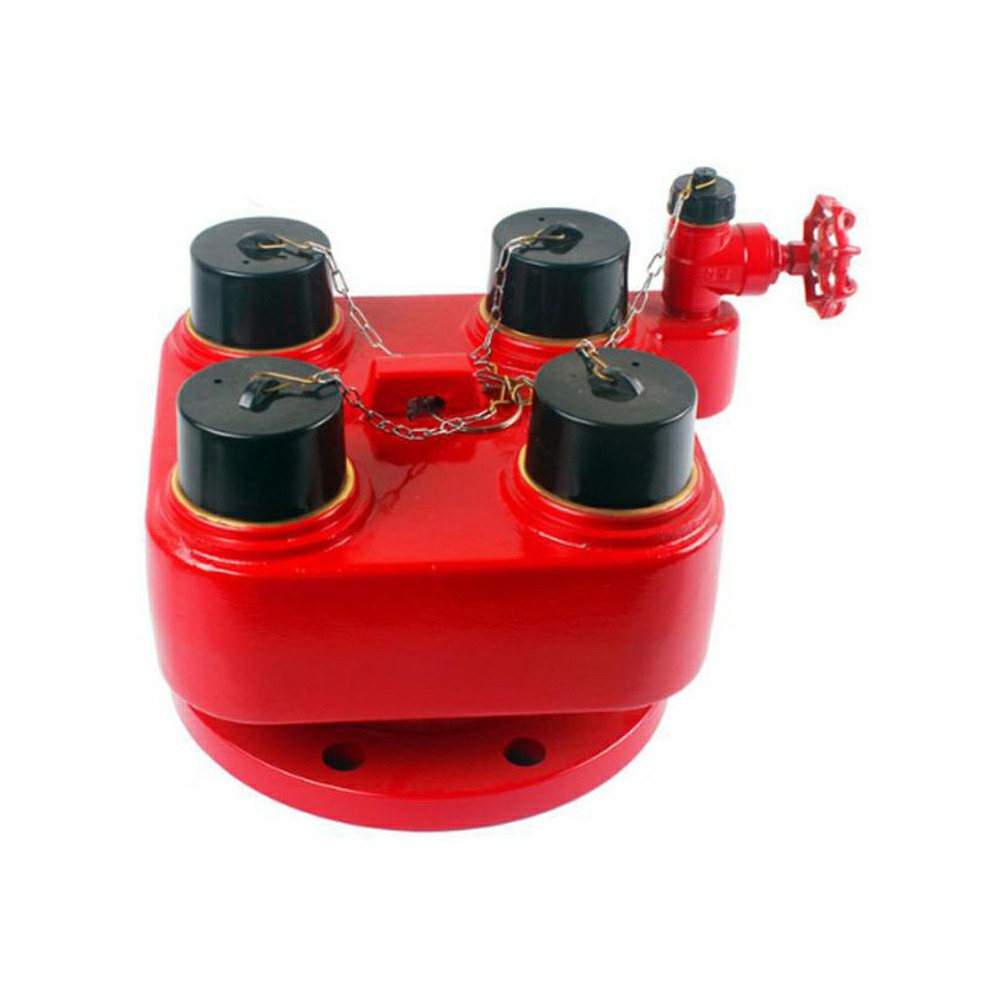
Four-way breeching inlets provide higher water volume and faster pressure buildup. They are designed for demanding environments.
Best Fit Scenarios
- Airports
- Hospitals
- High-rise towers
- Shopping malls
Fire authorities often insist on this type for critical infrastructure. It allows multiple fire engines to connect simultaneously.
While initial cost is higher, the safety margin is worth it. In B2B projects, reliability outweighs short-term savings.
Installation Requirements and Best Practices
Installation errors are more common than product failures. Even a certified inlet can fail inspection if installed poorly.
Key Installation Guidelines
- Clear visibility with signage
- Correct mounting height
- Easy fire engine access
From field experience, placing the inlet too low or behind obstacles leads to rejection. Early coordination with fire consultants prevents rework.
Testing, Inspection, and Maintenance
A breeching inlet is not a “fit and forget” component. Regular inspection ensures readiness.
Maintenance Checklist
- Annual pressure testing
- Visual inspection for corrosion
- Valve operation check
Neglect here can void insurance coverage. For B2B facility managers, maintenance logs are critical during audits.
Choosing the Right Breeching Inlet Manufacturer
As a manufacturer, we know buyers look beyond price. You want reliability, compliance, and long-term support.
What You Should Look For
- International certifications
- OEM customization capability
- Export experience
- Consistent quality control
A reliable supplier becomes a long-term partner, not just a vendor.
FAQs
What is the main purpose of a breeching inlet?
A breeching inlet allows fire departments to pump water into a building’s fire system during emergencies. It ensures sufficient pressure when internal pumps fail, protecting lives and property effectively.
Where should a breeching inlet be installed?
It should be installed externally at ground level with clear signage. Easy access for fire engines is essential to ensure quick connection during emergencies.
Is a two-way or four-way breeching inlet better?
It depends on building size and fire risk. Two-way inlets suit smaller buildings, while four-way inlets support large or high-risk facilities.
How often should a breeching inlet be tested?
Annual pressure testing is recommended. Visual inspections should occur more frequently to detect corrosion or mechanical damage early.
Are breeching inlets mandatory by law?
In many regions, fire codes require them for commercial and high-rise buildings. Always confirm with local fire authorities.
Can breeching inlets be customized for OEM projects?
Yes. Manufacturers often provide custom branding, material selection, and connection standards for large B2B and export projects.
Conclusion
Choosing the right Types of Breeching Inlet for Fire-fighting System is not just about compliance. It’s about responsibility, safety, and trust. For B2B buyers, this small component carries massive importance.
With proper selection, installation, and maintenance, you ensure that when emergencies strike, help arrives fast and systems perform as expected.