Fire safety isn’t just about alarms and sprinklers. Behind the scenes, valves quietly do the heavy lifting. When a fire breaks out, you rely on precise control of water flow, pressure, and direction. That’s where Types of Fire-fighting Valves come into play. These components decide whether water reaches the fire fast enough or not.
From my years working alongside fire system installers and industrial safety teams, I’ve seen how the right valve choice can mean smooth inspections, faster emergency response, and fewer failures. You might never notice these valves during daily operations, but when an emergency hits, they become heroes.
This guide is written for YOU—the building owner, engineer, contractor, or safety manager—who wants clear, practical knowledge without jargon. We’ll break things down in simple English, explain real-world use cases, and help you understand how each valve supports your fire protection goals. Let’s get into it.
Types of Fire-fighting Valves
When people talk about Types of Fire-fighting Valves, they often think it’s just about stopping or starting water. Truth is, each valve type has a specific job. Some isolate sections of a system. Others regulate pressure. A few activate alarms or prevent dangerous backflow.
Fire-fighting valves are commonly installed in hydrant systems, sprinkler lines, standpipes, and pump rooms. They must meet strict standards such as NFPA and EN requirements. If one valve fails, the entire system may be compromised.
You benefit most when you understand the basic categories. Valves are generally grouped by function: isolation, regulation, control, and protection. Materials also matter. Ductile iron, bronze, stainless steel, and coated cast iron are widely used due to corrosion resistance and strength.
In real projects I’ve worked on, choosing certified valves reduced maintenance calls and passed inspections on the first try. That saves YOU time, money, and stress. Knowing the types helps you ask the right questions and avoid costly mistakes.
Gate Valves in Fire Protection Networks
Gate valves are among the most common fire system valves you’ll encounter. Their main role is isolation. They fully open or fully close the water flow. There’s no halfway operation here, and that’s a good thing.
In fire pipelines, gate valves are used to shut off sections for maintenance without stopping the entire system. During inspections, fire officers often check whether these valves are clearly marked and accessible. From experience, poorly placed gate valves are a common compliance issue.
You’ll usually see rising stem or non-rising stem designs. Rising stem valves let YOU visually confirm whether the valve is open or closed. That’s a big safety advantage. These valves work best when left fully open during normal operation to avoid seat damage.
Their strength, simple design, and reliability make them a backbone in fire networks. When properly installed, they last for decades with minimal trouble.
Globe Valves for Flow Regulation
Unlike gate valves, globe valves are designed to regulate flow. They allow YOU to fine-tune water delivery where pressure control is needed.
In fire systems, globe valves are often used in test lines, drain lines, or auxiliary connections. Their internal design creates resistance, which helps control flow smoothly. I’ve seen globe valves perform well in systems where sudden pressure changes could damage equipment.
The downside? They create more pressure loss than other valves. But when regulation matters more than efficiency, globe valves shine. Their sturdy construction makes them suitable for high-pressure environments.
For YOU, globe valves offer precision and control. They’re not everywhere in fire systems, but where they are used, they play a critical role in safety and testing accuracy.
Butterfly Valves in Large Pipelines
Butterfly valves are popular in modern fire systems, especially for large-diameter pipes. They are compact, lightweight, and quick to operate.
You’ll often find them in pump rooms or main supply lines. A simple quarter-turn opens or closes the valve. That speed is a big advantage during emergencies or maintenance. In several industrial projects I’ve observed, butterfly valves saved space and reduced installation costs.
They can be gear-operated or fitted with supervisory switches. These switches alert YOU if someone tampers with the valve. That’s a big plus for safety compliance.
While butterfly valves aren’t ideal for throttling, they are excellent for isolation. Their balance of performance and cost makes them a favorite in commercial buildings.
Ball Valves for Reliable Shut-Off
Ball valves offer tight sealing and fast operation. Inside, a rotating ball with a bore controls flow. When aligned, water flows freely. When turned, flow stops completely.
In fire systems, ball valves are often used in smaller branch lines or auxiliary equipment. Their biggest advantage is leak-free shut-off. From hands-on experience, I can say they rarely fail when properly specified.
They’re easy for YOU to operate and require little maintenance. However, ball valves are not typically used in very large fire mains due to size and cost.
Still, for reliability and simplicity, ball valves are hard to beat. They provide peace of mind where dependable closure matters.
Check Valves and Backflow Prevention
Check valves are silent protectors. They allow water to flow in one direction only. That prevents backflow, which can contaminate water supplies or damage pumps.
In fire-fighting systems, check valves are installed near pumps, connections to public mains, and sprinkler risers. I’ve seen cases where missing or faulty check valves caused system failures during tests.
There are swing, lift, and wafer check valves. Each has its own application. Swing types are common in horizontal lines, while wafer designs save space.
For YOU, check valves mean system integrity. They protect equipment, maintain pressure, and ensure water is always ready to move toward the fire—not backward.
Pressure Reducing Valves in Fire Systems
Pressure reducing valves protect your system from excessive pressure. In tall buildings, water pressure increases with height. Without control, it can damage pipes and fittings.
These valves automatically reduce incoming pressure to a safe level. They’re essential in high-rise fire systems. From experience, inspectors pay close attention to their installation and setting.
Pressure reducing valves help YOU comply with codes while extending system life. They also improve firefighter safety by preventing dangerously high outlet pressure.
Regular testing is important. When maintained well, these valves quietly keep everything balanced and safe.
Deluge and Alarm Valves Explained
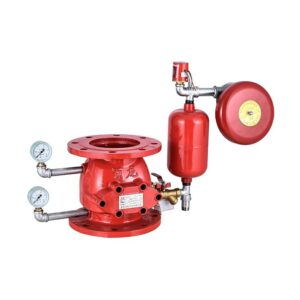
Deluge and alarm valves are active components in fire response. Deluge valves release water through open nozzles when triggered by a detection system. They’re common in high-risk areas like power plants.
Alarm valves, on the other hand, activate alarms when water flows. They alert occupants and fire services immediately. I’ve seen alarm valves reduce response time significantly.
These valves integrate mechanical and electrical functions. They must be installed and tested carefully. For YOU, they provide early warning and rapid suppression, which can save lives and assets.
Reliable operation depends on quality components and proper setup.
Selecting the Right Fire-fighting Valve
Choosing the right valve isn’t guesswork. You must consider system type, pressure, size, standards, and environment.
Always look for compliance with recognized standards like NFPA. Trusted guidance can be found at organizations such as the National Fire Protection Association (https://www.nfpa.org).
From my experience, working with certified suppliers and clear documentation avoids future headaches. You benefit from smoother approvals, fewer failures, and long-term reliability.
Smart selection today protects YOU tomorrow.
FAQs
What functions do fire-fighting valves serve in commercial fire protection systems?
Fire-fighting valves manage isolation, flow control, pressure regulation, and system protection within sprinkler, hydrant, and standpipe networks. They allow engineers to segment systems for maintenance, ensure proper pressure delivery during fire events, and maintain system readiness while complying with local fire safety codes and standards.
Which valve types are typically specified for isolation in large fire systems?
Gate valves and butterfly valves are most commonly specified for isolation in commercial and industrial fire systems. Gate valves are preferred for full-bore isolation, while butterfly valves are widely used for large-diameter pipelines due to their compact footprint, lower weight, and ease of installation in pump rooms.
Why is backflow prevention critical in fire-fighting valve design?
Backflow prevention protects fire pumps, potable water supplies, and upstream infrastructure from contamination and pressure loss. Check valves ensure unidirectional flow, preventing system inefficiencies or damage during pressure fluctuations. Proper backflow control is essential for code compliance and long-term system reliability.
When are pressure reducing valves required in fire protection systems?
Pressure reducing valves are typically required in multi-story and high-rise buildings where static pressure exceeds allowable limits. They protect piping, hose stations, and firefighter equipment from excessive pressure, ensuring safe operation while extending system service life and maintaining compliance with fire authority requirements.
What certifications should fire-fighting valves have for commercial projects?
Fire-fighting valves should be tested and certified to recognized standards such as NFPA, UL, FM, or EN, depending on the project location. Certified valves simplify approval processes, reduce inspection risk, and provide assurance of performance during emergency conditions.
How should building owners manage inspection and maintenance of fire valves?
Building owners should follow a scheduled inspection and testing program aligned with fire codes, typically involving regular visual inspections and operational testing. Proper documentation and preventive maintenance help identify wear or tampering early, ensuring uninterrupted system readiness and successful regulatory audits.
Final Thoughts
Fire-fighting valves are critical assets within any compliant fire protection system, directly affecting operational reliability, inspection outcomes, and long-term maintenance costs. For engineers and building owners, selecting the correct valve types ensures stable system performance, regulatory compliance, and reduced risk during emergency events. By partnering with qualified manufacturers and specifying certified valves suited to system pressure, layout, and application, YOU can optimize lifecycle value, minimize downtime, and safeguard both occupants and infrastructure with confidence.