Choosing the right Fire-Fighting Equipment Manufacturer is not just another purchasing task. It is a serious business decision that protects lives, property, and your brand reputation. If you select the wrong supplier, the consequences can be costly and even dangerous. But when you partner with the right manufacturer, you gain reliability, compliance, and long-term value.
In today’s global market, you have hundreds of suppliers offering extinguishers, hydrant systems, fire suppression units, and alarm devices. The options may seem overwhelming. However, not all factories operate at the same level of quality or integrity. Some cut corners. Others lack proper certification. A few simply do not understand international standards.
From a B2B perspective, you need more than products. You need consistent supply, transparent pricing, engineering support, and documentation that satisfies regulators. Your clients depend on you, and you depend on your supplier. That chain of trust must remain unbroken.
Throughout this guide, you will learn how to evaluate manufacturing strength, compliance standards, supply chain reliability, and long-term partnership value. These insights are based on years of industry experience and best practices used in industrial procurement.
Let’s dive in and explore what truly matters.
Fire-Fighting Equipment Manufacturer: Core Capabilities and Industry Role
A professional Fire-Fighting Equipment Manufacturer plays a central role in modern fire protection systems. They do not simply assemble products. They engineer life-saving solutions that must perform perfectly under extreme conditions.
Industrial Fire Protection Systems and Suppression Technology
Industrial fire protection requires advanced engineering. Facilities such as oil plants, warehouses, data centers, and high-rise buildings demand different suppression technologies. These may include foam systems, dry chemical units, water mist systems, and gas-based suppression.
Reliable manufacturers invest heavily in testing environments. Products must withstand pressure, corrosion, and long storage periods. If equipment fails during an emergency, the damage can be devastating.
You should ask:
- Does the factory conduct pressure and leakage tests?
- Are components tested under extreme temperature conditions?
- Do they follow international fire protection engineering standards?
A serious supplier will provide detailed technical sheets and compliance documentation without hesitation.
OEM & Custom Fire Safety Equipment Production
As a B2B buyer, you may need private labeling or customized specifications. A capable manufacturer supports OEM and ODM services. This includes branding, packaging design, and tailored technical adjustments.
Customization matters when you serve different markets. Some countries require specific valve standards or pressure ratings. If your supplier cannot adapt, you may lose valuable contracts.
Strong engineering support is a sign of maturity. It shows the factory is solution-oriented rather than product-focused.
Compliance with International Fire Safety Standards and Certifications
Compliance is not optional in fire safety. It is mandatory. A trusted supplier must meet recognized global standards.
NFPA, ISO, CE, UL, and EN Regulatory Approvals
International certifications confirm product reliability. Standards such as those defined by the National Fire Protection Association are widely respected. NFPA guidelines shape fire safety practices worldwide.
Similarly, certifications from ISO, CE, and UL demonstrate compliance with safety and quality requirements. You can review global fire safety guidance through resources like the International Organization for Standardization at https://www.iso.org.
Before signing a contract, request copies of:
- ISO 9001 certificates
- Product test reports
- CE or UL approvals
- Factory audit records
If documentation is unclear or outdated, consider it a red flag.
Quality Assurance and Third-Party Testing
Internal quality checks are important, but third-party testing adds credibility. Independent labs verify performance claims. This reduces risk for you and your customers.
Ask whether random batch inspections are conducted. Confirm if products carry serial numbers for traceability. These details may seem small, but they protect your business from future liability.
Manufacturing Capacity, Technology, and Infrastructure
Production strength defines reliability. Even if quality is excellent, insufficient capacity can delay shipments.
Advanced Production Lines and Automation
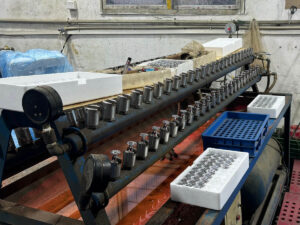
Modern factories use automated welding machines, robotic powder coating lines, and computerized testing stations. Automation improves consistency and reduces human error.
During a factory visit, observe:
- Clean production floors
- Organized inventory systems
- Clearly labeled raw materials
- Safety procedures in place
A professional environment reflects management discipline.
Research & Development and Product Innovation
Innovation keeps you competitive. Fire safety technology evolves rapidly. Water mist systems, smart alarm integration, and IoT-based monitoring are gaining popularity.
An experienced manufacturer invests in R&D. They refine valve designs, improve cylinder durability, and enhance corrosion resistance. Ask about their engineering team. Inquire about patents or proprietary technologies.
Forward-thinking suppliers help you stay ahead of competitors.
Product Range and Customization Capabilities
A wide product portfolio simplifies procurement.
Fire Extinguishers, Hydrant Systems, Alarm Systems
Your supplier should offer:
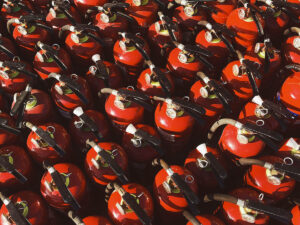
- Portable extinguishers
- Fire hose reels
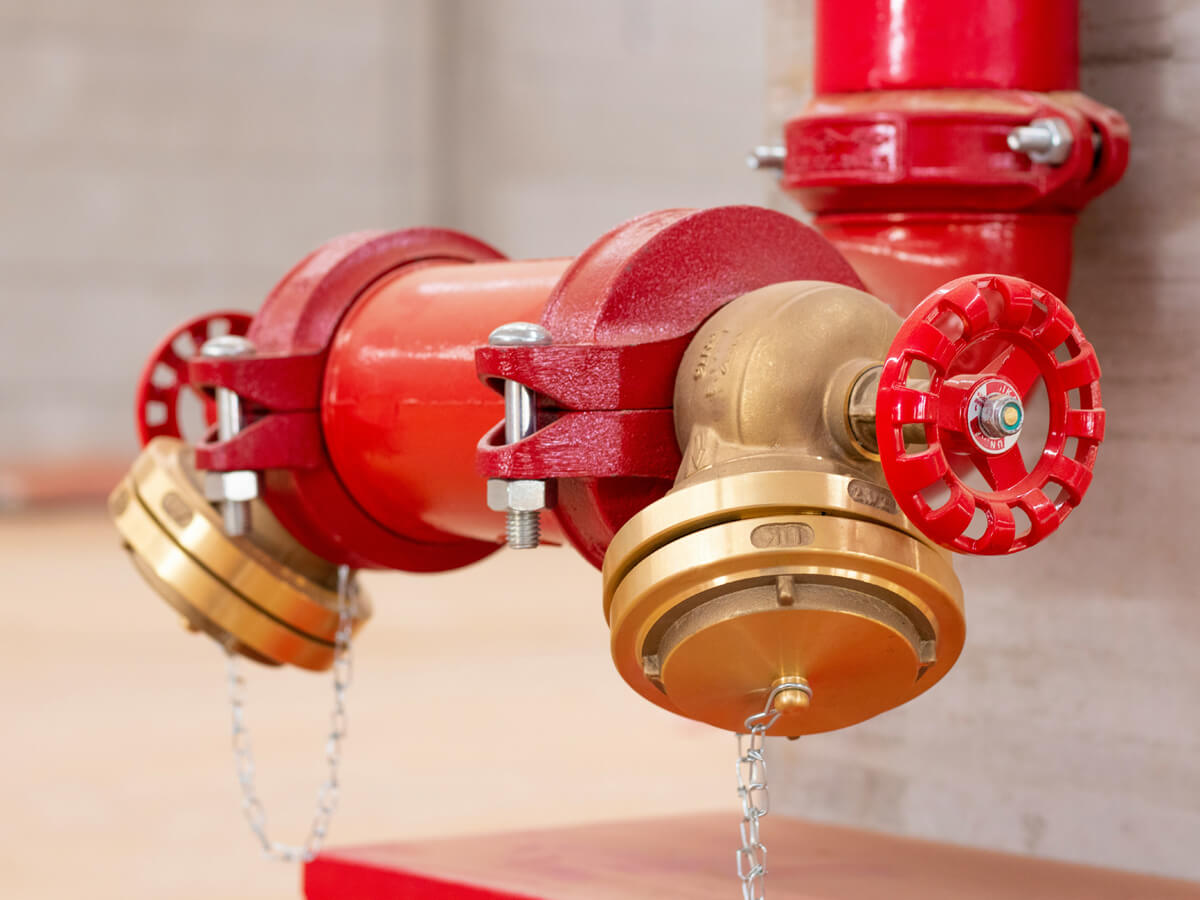
- Hydrant valves
- Fire alarm control panels
- Emergency lighting systems
Buying from one source reduces coordination complexity.
Tailor-Made Fire Suppression Solutions for Industrial Use
Industrial clients often require integrated systems. Warehouses may need foam suppression. Data centers require clean agent systems. Manufacturing plants demand heavy-duty hydrants.
When a factory provides engineering consultation, you gain more than hardware. You gain expertise.
Supply Chain Reliability and Global Export Experience
Timely delivery keeps your projects on schedule.
Raw Material Sourcing and Component Traceability
Quality begins with raw materials. High-grade steel cylinders, durable rubber hoses, and corrosion-resistant valves are essential.
Traceability ensures each batch can be tracked back to its source. This prevents counterfeit components from entering the supply chain.
Logistics, Lead Time, and International Distribution
Global experience matters. Export documentation, customs clearance, and shipping coordination require skill.
Ask about average production lead times. Confirm container loading capacity. Evaluate packaging standards for sea transport.
Delays cost money. Reliable logistics protect your margins.
Pricing Transparency and Long-Term Cost Efficiency
Low prices can be tempting. But cheap equipment often results in higher long-term costs.
Total Cost of Ownership Analysis
Consider maintenance, replacement cycles, and warranty coverage. Durable equipment may cost slightly more upfront, yet save you significantly over time.
Bulk Orders, Private Labeling, and B2B Partnerships
Long-term contracts often provide better pricing. Volume discounts improve profitability. Private labeling strengthens your brand presence.
Transparent cost breakdowns build trust.
After-Sales Service, Technical Support, and Training
Support does not end after delivery.
Installation Guidance and Maintenance Support
Professional manufacturers provide installation manuals, technical drawings, and sometimes remote guidance. Some even offer on-site training for large projects.
Warranty Policies and Spare Parts Availability
Clear warranty terms protect your investment. Quick access to spare parts prevents downtime.
If a supplier disappears after shipment, your reputation suffers. Choose a partner who stands behind their products.
Reputation, Case Studies, and Client Testimonials
Experience speaks louder than marketing claims.
Industry References and Project Portfolio
Ask for references in your region. Review completed projects. Examine long-term partnerships.
Risk Management and Corporate Responsibility
Responsible manufacturers follow environmental and workplace safety standards. Ethical production enhances your brand image.
Comparative Evaluation Checklist for Selecting a Fire-Fighting Equipment Manufacturer
| Criteria | Key Questions |
|---|---|
| Certification | Are ISO and product certifications valid? |
| Production | Can capacity meet large orders? |
| Customization | Do they offer OEM services? |
| Logistics | Do they handle global exports? |
| Support | Is after-sales service reliable? |
| Reputation | Are there proven case studies? |
Use this checklist during supplier audits.
Frequently Asked Questions About Fire-Fighting Equipment Manufacturer
How do I verify if a manufacturer is truly certified?
Request official certificates and verify them through the issuing organization’s website. Check expiration dates carefully. You may also contact certification bodies directly to confirm authenticity. Never rely only on scanned copies without validation.
What is the ideal production capacity for large B2B orders?
The ideal capacity depends on your demand. However, a reliable supplier should comfortably produce at least 20–30% more than your projected monthly volume. This buffer protects you during peak seasons and urgent orders.
Can I request product customization for different markets?
Yes, professional manufacturers usually provide OEM and ODM services. They can adjust labeling, pressure ratings, valve types, and packaging. Make sure specifications comply with local regulations before final approval.
Why is third-party testing important?
Third-party testing ensures unbiased performance verification. Independent labs confirm pressure resistance, discharge rates, and durability. This protects your business from liability and strengthens customer trust in your products.
How long should warranties last for fire safety equipment?
Standard warranties range from one to three years, depending on the product. Cylinders may have longer structural guarantees. Always clarify what is covered, including valves, gauges, and internal components.
What are warning signs of an unreliable supplier?
Warning signs include vague documentation, slow communication, inconsistent pricing, and refusal to provide references. Poor factory conditions and missing certifications also indicate serious risk.
Conclusion: Building a Reliable Long-Term Partnership
Selecting the right partner is not a quick decision. It requires research, audits, and careful comparison. A dependable Fire-Fighting Equipment Manufacturer supports your growth, protects your clients, and strengthens your reputation.
When you evaluate certification, production capacity, logistics reliability, and after-sales service, you reduce risk dramatically. In the end, you are not just buying equipment. You are building a strategic partnership.
Take your time. Ask tough questions. Visit factories if possible. A strong supplier relationship today will protect countless lives tomorrow.