Elegir bien Fire Extinguisher Manufacturer is not just a purchase decision—it is a safety commitment. In factories, offices, warehouses, and construction sites, one faulty extinguisher can mean disaster. So, how do you pick the right partner?
At first glance, many suppliers look similar. They all promise quality, compliance, and competitive pricing. Yet, dig deeper, and the differences become clear. Some manufacturers focus on durability. Others cut corners to reduce costs. And that’s where problems begin.
If you are a distributor, contractor, or facility manager, you need more than just a product. You need reliability, consistency, and long-term support. In this guide, you will learn how to evaluate manufacturers step by step. We will also share practical insights from industry experience.
Let’s dive in—because when it comes to fire safety, guessing is not an option.
Fire Extinguisher Manufacturer
A Fire Extinguisher Manufacturer is responsible for designing, producing, and testing fire suppression equipment. However, not all manufacturers operate at the same level.
Some factories focus only on assembly. Others handle everything—from raw material sourcing to final inspection. Naturally, full-scale manufacturers offer better control over quality.
From experience, working with a vertically integrated supplier often reduces risks. Why? Because fewer third parties are involved. This leads to consistent product performance.
Moreover, manufacturers typically offer:
- Standard extinguishers for common fire classes
- Industrial-grade units for high-risk environments
- Custom branding for distributors and OEM clients
Still, here’s the catch. A manufacturer might claim “high quality,” but without proof, it’s just marketing.
So, always verify capabilities before committing.
Understanding Industry Standards and Certifications
Certifications are not optional—they are essential. Without proper compliance, your extinguishers may fail inspections or, worse, fail during emergencies.
Key certifications to look for include:
- Sistemas de gestión de la calidad ISO
- CE marking for European markets
- UL or FM approval for North America
- EN standards for performance testing
Interestingly, some suppliers display logos without real authorization. Yes, it happens more often than you think.
Therefore, always request:
- Certification copies
- Test reports
- Audit documentation
A reliable manufacturer will gladly provide them.
Types of Fire Extinguishers You Should Know
Different fires require different extinguishers. Choosing a manufacturer with a complete product range gives you flexibility.
Common Types
| Tipo | Ideal para | Ventajas | Limitations |
|---|---|---|---|
| Dry Powder | Multi-purpose fires | Versatile, cost-effective | Messy residue |
| CO2 | Incendios eléctricos | Clean, no residue | Limited range |
| Foam | Liquid fires | Good coverage | Not for electrical |
| Water | Class A fires | Simple, affordable | Limited use |
| Wet Chemical | Kitchen fires | Highly effective on oils | Specialized use |
A manufacturer offering all these options shows strong technical capability.
Evaluating Manufacturing Capabilities
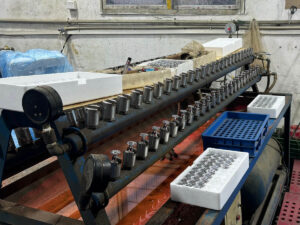
Not all factories are equal. Some rely on manual labor, while others use automated production lines.
From a buyer’s perspective, automation brings:
- Consistency in product quality
- Higher production capacity
- Reduced human error
When evaluating a factory, consider:
- Production output per month
- Machinery and equipment
- Workforce expertise
If possible, request a factory tour or video audit. Seeing is believing.
Quality Control: The Backbone of Safety
Even the best design fails without proper quality control. A reliable manufacturer will have strict testing procedures.
Typical tests include:
- Pressure resistance testing
- Leak detection
- Discharge performance
- Resistencia a la corrosión
Surprisingly, some low-cost suppliers skip these steps to save time. That’s a risky move.
Always ask for a quality control checklist. It tells you how serious the manufacturer is about safety.
Customization Options for B2B Buyers
For distributors and brands, customization is key. A good manufacturer should support OEM and ODM services.
Common customization features:
- Logo printing
- Cylinder color options
- Packaging design
- Technical specifications
This flexibility helps you stand out in competitive markets.
Pricing vs Value: What Really Matters
Price matters—but it should not be your only factor.
A cheaper extinguisher might:
- Fail compliance checks
- Require frequent replacement
- Damage your reputation
Instead, focus on value. Consider:
- Product lifespan
- Maintenance costs
- Warranty coverage
Sometimes, paying slightly more upfront saves you significantly in the long run.
Supply Chain Reliability and Delivery
Late delivery can disrupt your entire project. Therefore, supply chain reliability is crucial.
Key factors include:
- Lead time consistency
- Inventory management
- Shipping capabilities
A dependable manufacturer will provide clear timelines and updates.
After-Sales Support and Service
The relationship does not end after purchase. In fact, it just begins.
Los buenos fabricantes ofrecen:
- Technical support
- Training materials
- Refilling and maintenance guidance
This support ensures long-term performance and compliance.
Red Flags to Watch Out For
Not all suppliers are trustworthy. Here are warning signs:
- Unrealistically low prices
- Missing certifications
- Poor communication
- Inconsistent product quality
If something feels off, it probably is.
Comparison Chart: Choosing the Right Manufacturer Type
| Manufacturer Type | Pros | Contras | Ideal para |
|---|---|---|---|
| Large-scale factory | High capacity, stable quality | Mayor coste | Bulk buyers |
| Mid-size manufacturer | Balanced pricing | Limited customization | Distributors |
| Small workshop | Low cost | Quality risks | Small orders |
| Trading company | Easy communication | Less control over production | New buyers |
Preguntas frecuentes
What should I prioritize when selecting a fire equipment supplier?
You should focus on certifications, quality control, and production capability. These factors ensure safety and compliance. While pricing matters, reliability and long-term performance should always come first for B2B buyers.
How can I verify a manufacturer’s certifications?
Request official documents and cross-check them with issuing authorities. Many organizations provide online verification tools. This step helps you avoid fake claims and ensures your supplier meets regulatory standards.
Is OEM customization important for my business?
Yes, especially if you are building a brand. Customization allows you to differentiate your products and create a professional image. It also helps in marketing and customer recognition.
What is the typical lead time for bulk orders?
Lead times vary depending on order size and production capacity. Generally, it ranges from a few weeks to a couple of months. Always confirm timelines before placing an order to avoid delays.
Why is quality control critical in fire extinguishers?
Because these products are life-saving devices. Any defect can lead to failure during emergencies. Strict testing ensures reliability and compliance with safety standards.
Can I rely on low-cost suppliers?
Not always. While some offer good value, others compromise on quality. It is essential to evaluate their certifications, testing processes, and reputation before making a decision.
Conclusión
Selecting the right Fire Extinguisher Manufacturer is a strategic decision. It impacts safety, compliance, and your business reputation.
By focusing on certifications, quality control, production capability, and support services, you can make a confident choice. Avoid shortcuts. Instead, invest in a reliable partner.
After all, when safety is on the line, there is no room for compromise.
Reflexiones finales
Fire extinguishers are more than just products—they are critical safety tools that protect lives and property. Choosing the right supplier helps you build trust with your customers and ensures long-term success.
How can you maximize value and reliability? Work with experienced manufacturers who understand your industry needs. Reach out to professional suppliers, discuss your requirements, and request samples. A trusted partner will provide tailored solutions, expert guidance, and consistent quality.