Brandschutz ist nichts, was man dem Zufall überlässt. Die Produktionsprozess von Feuerlöschgeräten spielt eine wichtige Rolle beim Schutz von Menschenleben, Vermögenswerten und der Infrastruktur. Von Feuerlöschern bis zu Hydranten muss jedes Gerät strenge Normen erfüllen. Als Hersteller oder Käufer müssen Sie verstehen, wie diese Produkte hergestellt werden und warum jeder Schritt wichtig ist.
In der heutigen industriellen Welt sind die Brandgefahren komplexer denn je. Deshalb haben sich auch die Produktionsmethoden weiterentwickelt. Die Hersteller verwenden heute moderne Maschinen, strenge Qualitätskontrollen und hochwertige Materialien. So wird sichergestellt, dass jedes Produkt in Notfällen gut funktioniert.
Aus meiner Erfahrung in der Zusammenarbeit mit Industriekunden sticht eines hervor: Zuverlässigkeit ist alles. Käufer wollen nicht nur Geräte, sie wollen Vertrauen. Sie wollen wissen, dass die Geräte im Falle eines Brandes ohne Fehler funktionieren.
Dieser Artikel führt Sie durch den gesamten Prozess. Sie werden sehen, wie aus Rohstoffen lebensrettende Werkzeuge werden. Sie werden auch erfahren, wie Innovation die Zukunft der Brandschutzherstellung prägt. Lassen Sie uns eintauchen.
Produktionsprozess von Feuerlöschgeräten
Die Produktionsprozess von Feuerlöschgeräten umfasst mehrere gut strukturierte Phasen. Jede Phase ist entscheidend. Fehlt auch nur ein Detail, kann dies die Leistung beeinträchtigen.
Wichtige Produktionsphasen:
- Auswahl der Rohmaterialien
- Design und Technik
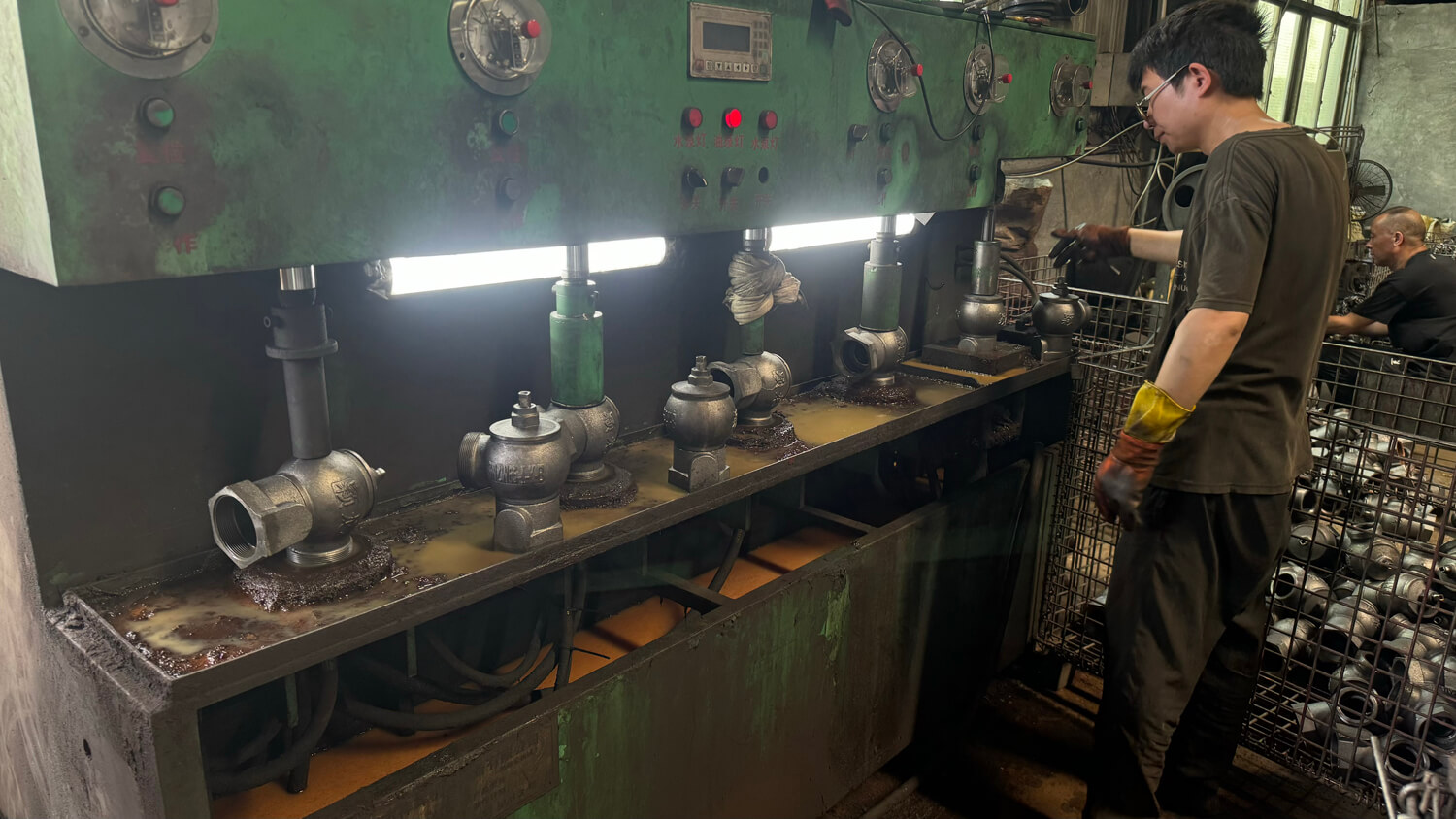
- Herstellung und Bearbeitung
- Montage
- Prüfung und Inspektion
- Verpackung und Lieferung
Jeder Schritt baut auf dem vorhergehenden auf. So wirkt sich beispielsweise eine schlechte Materialqualität auf das Endprodukt aus, ganz gleich wie gut das Design ist.
Die Hersteller halten sich heute an globale Normen wie ISO- und NFPA-Richtlinien. Diese Normen gewährleisten Konsistenz und Sicherheit. Weitere Informationen über Brandschutznormen finden Sie in dieser externen Ressource:
https://www.nfpa.org
Ein weiterer wichtiger Aspekt ist die Rückverfolgbarkeit. Jede Komponente wird von Anfang bis Ende verfolgt. Dies hilft, Probleme schnell zu erkennen und verbessert die Verantwortlichkeit.
Bei B2B-Geschäften ist Transparenz der Schlüssel. Einkäufer verlangen oft detaillierte Produktionsberichte. Dies hilft ihnen, die Produktqualität vor dem Kauf großer Mengen zu überprüfen.
Rohstoffe für Feuerlöschgeräte
Die Rohstoffe bilden das Rückgrat der Brandschutzprodukte. Die Wahl der richtigen Materialien gewährleistet Langlebigkeit und Widerstandsfähigkeit gegen extreme Bedingungen.
Gemeinsame Materialien:
- Rostfreier Stahl für Tanks und Ventile
- Aluminium für leichte Komponenten
- Messing für Armaturen
- Feuerbeständige Kunststoffe
- Chemische Pulver und Schäume
Jedes Material erfüllt einen bestimmten Zweck. Rostfreier Stahl beispielsweise ist korrosionsbeständig. Dies ist entscheidend für Geräte, die in rauen Umgebungen gelagert werden.
Auch feuerfeste Polymere werden häufig verwendet. Diese Materialien können hohen Temperaturen standhalten, ohne sich zu verformen. Das ist bei Brandkatastrophen wichtig.
Aus Sicht des Herstellers ist die Beschaffung von Qualitätsmaterialien die halbe Miete. Zuverlässige Lieferanten helfen, die Konsistenz zu wahren. Viele Hersteller bauen langfristige Partnerschaften mit Materiallieferanten auf.
Tabelle zum Materialvergleich:
| Material | Vorteil | Anmeldung |
|---|---|---|
| Edelstahl | Korrosionsbeständig | Zylinder |
| Aluminium | Leichtgewicht | Tragbare Einheiten |
| Messing | Dauerhaft | Ventile |
| Polymere | Hitzebeständig | Därme |
Wenn Sie einen Hersteller auswählen, fragen Sie immer nach der Materialbeschaffung. Sie sagt viel über die Produktqualität aus.
Entwurf und Konstruktion von Feuerlöschanlagen
In der Konstruktion werden Ideen zu echten Lösungen. Ingenieure verwenden fortschrittliche Werkzeuge, um sichere und effiziente Produkte zu entwickeln.
Wichtige Entwurfsschritte:
- Erstellung eines Konzepts
- CAD-Modellierung
- Simulationstests
- Entwicklung von Prototypen
Computergestütztes Design (CAD) ermöglicht eine präzise Modellierung. Die Ingenieure können verschiedene Szenarien testen, bevor die Produktion beginnt. Das reduziert Fehler und spart Zeit.
Jede Designentscheidung wird von Sicherheitsstandards geleitet. Die Produkte müssen den internationalen Vorschriften entsprechen. Dadurch wird sichergestellt, dass sie in realen Situationen funktionieren.
Der Prototypenbau ist eine weitere wichtige Phase. Die Hersteller bauen Mustereinheiten und testen sie unter extremen Bedingungen. Dies trägt zur Verfeinerung des Designs bei.
Meiner Erfahrung nach stellen Unternehmen, die in starke Ingenieurteams investieren, bessere Produkte her. Es geht nicht nur um das Aussehen, sondern auch um die Leistung.
Fertigungstechniken bei der Herstellung von Feuerwehrausrüstung
In der Fertigung nehmen die Rohstoffe Gestalt an. Je nach Produkt werden unterschiedliche Techniken eingesetzt.
Gemeinsame Techniken:
- Guss für schwere Bauteile
- Schmieden für Stärke
- CNC-Bearbeitung für Präzision
- Spritzgießen von Kunststoffteilen
CNC-Maschinen sind besonders wichtig. Sie gewährleisten Genauigkeit und Konsistenz. Dies ist entscheidend für Komponenten wie Ventile und Düsen.
Die Automatisierung hat auch die Effizienz verbessert. Maschinen können große Mengen produzieren, ohne die Qualität zu beeinträchtigen.
Fachkräfte sind jedoch nach wie vor unverzichtbar. Maschinen brauchen menschliche Aufsicht. Erfahrene Techniker sorgen dafür, dass alles reibungslos läuft.
Fließbandverfahren für Feuerlöschgeräte
Sobald die Teile fertig sind, geht es an die Montage. Hier wird alles zusammengefügt.
Montage-Schritte:
- Einbau von Bauteilen
- Versiegeln und Schweißen
- Druckkalibrierung
- Endkontrolle
Die Automatisierung hilft, den Prozess zu beschleunigen. Manuelle Kontrollen sind jedoch nach wie vor erforderlich. Die Arbeiter stellen sicher, dass jede Einheit den Normen entspricht.
Sicherheit hat hier oberste Priorität. Die Arbeiter tragen Schutzkleidung und befolgen strenge Richtlinien.
Ein gut organisiertes Fließband verbessert die Produktivität. Außerdem werden dadurch Fehler reduziert.
Qualitätskontrolle und Prüfverfahren
Die Qualitätskontrolle ist das Herzstück der Fertigung. Ohne sie können Produkte versagen, wenn sie am meisten gebraucht werden.
Testmethoden:
- Druckprüfung
- Lecksuche
- Prüfung der Hitzebeständigkeit
- Funktionsprüfung
Jedes Produkt wird mehreren Tests unterzogen. Das garantiert Zuverlässigkeit.
Auch Zertifizierungsstellen spielen eine Rolle. Die Produkte müssen globale Standards erfüllen, bevor sie auf den Markt kommen.
Aus der Sicht des Käufers sollten Sie immer nach Prüfberichten fragen. Diese Dokumente belegen die Produktqualität.
Verpackungs- und Vertriebsstrategien
Die Verpackung schützt die Produkte während des Transports. Sie sorgt auch dafür, dass sie die Kunden in perfektem Zustand erreichen.
Verpackungsmerkmale:
- Stoßfeste Materialien
- Schutz vor Nässe
- Klare Beschriftung
Ein weiterer Schlüsselfaktor ist die Logistik. Ein effizienter Vertrieb verkürzt die Lieferzeiten.
Hersteller arbeiten oft mit globalen Versandpartnern zusammen. Dies hilft bei der Verwaltung internationaler Aufträge.
Innovationen im Produktionsprozess von Feuerlöschgeräten
Die Technologie verändert alles. Die Produktionsprozess von Feuerlöschgeräten ist keine Ausnahme.
Neue Trends:
- Intelligente Brandmeldesysteme
- Umweltfreundliche Materialien
- KI-gesteuerte Fertigung
Intelligente Geräte können Brände frühzeitig erkennen. Dies verbessert die Reaktionszeit.
Umweltfreundliche Materialien verringern die Umweltbelastung. Dies wird für globale Käufer immer wichtiger.
KI hilft, die Produktion zu optimieren. Sie reduziert Verschwendung und verbessert die Effizienz.
Herausforderungen bei der Herstellung von Feuerwehrausrüstung
Jede Branche steht vor Herausforderungen. Die Herstellung von Feuerwehrausrüstung ist nicht anders.
Gemeinsame Probleme:
- Steigende Materialkosten
- Unterbrechung der Lieferkette
- Strenge Vorschriften
Die Hersteller müssen sich schnell anpassen. Flexibilität ist der Schlüssel zum Überleben.
Vorteile der Produktion moderner Feuerwehrausrüstung
Moderne Produktionsmethoden bringen viele Vorteile mit sich.
Die wichtigsten Vorteile:
- Höhere Produktzuverlässigkeit
- Bessere Sicherheitsleistung
- Gesteigerte Produktionseffizienz
Für B2B-Käufer bedeutet dies einen besseren Wert und ein geringeres Risiko.
Produktionsprozess von Feuerlöschgeräten für B2B-Einkäufer
Wenn Sie ein Vertriebshändler oder Großhändler sind, hilft Ihnen das Verständnis des Prozesses, bessere Entscheidungen zu treffen.
Wonach Sie suchen sollten:
- OEM/ODM-Fähigkeiten
- Anpassungsmöglichkeiten
- Vorteile von Massenpreisen
Hersteller, die eine individuelle Anpassung anbieten, können spezifische Marktanforderungen erfüllen.
FAQs
Was ist der wichtigste Schritt bei der Herstellung von Feuerwehrausrüstung?
Die Qualitätskontrolle ist die kritischste Phase. Selbst wenn die Materialien und das Design hervorragend sind, können mangelhafte Tests zu Fehlern führen. Zuverlässige Tests stellen sicher, dass die Ausrüstung in Notfällen ordnungsgemäß funktioniert und den Sicherheitsstandards entspricht.
Wie gewährleisten die Hersteller die Produktsicherheit?
Die Hersteller befolgen strenge Normen und führen zahlreiche Tests durch. Dazu gehören Prüfungen der Druck- und Hitzebeständigkeit. Die Zertifizierung durch anerkannte Stellen gewährleistet zudem die Einhaltung der weltweiten Sicherheitsanforderungen.
Können Feuerlöschgeräte individuell angepasst werden?
Ja, viele Hersteller bieten OEM- und ODM-Dienste an. Dies ermöglicht es den Käufern, das Design, das Branding und die Spezifikationen auf der Grundlage ihrer Marktbedürfnisse anzupassen. Anpassungen sind bei B2B-Transaktionen üblich.
Welche Materialien eignen sich am besten für Feuerwehrgeräte?
Rostfreier Stahl und Aluminium sind weit verbreitet. Sie bieten Haltbarkeit und Widerstandsfähigkeit gegen extreme Bedingungen. Feuerfeste Polymere sind ebenfalls wichtig für leichte und hitzebeständige Teile.
Wie lange dauert die Produktion normalerweise?
Die Produktionszeit hängt von der Größe und Komplexität der Bestellung ab. Kleine Lose können ein paar Wochen dauern, während große Aufträge Monate in Anspruch nehmen können. Effiziente Hersteller nutzen die Automatisierung, um die Vorlaufzeiten zu verkürzen.
Warum ist die Zertifizierung von Feuerwehrausrüstung wichtig?
Die Zertifizierung beweist, dass die Produkte den Sicherheitsstandards entsprechen. Sie schafft Vertrauen bei den Käufern und gewährleistet die Einhaltung von Vorschriften. Ohne Zertifizierung können Produkte auf vielen Märkten nicht akzeptiert werden.
Schlussfolgerung
Die Produktionsprozess von Feuerlöschgeräten ist mehr als nur Herstellung. Es ist ein sorgfältig geplantes System, das Sicherheit und Zuverlässigkeit gewährleistet. Von den Rohstoffen bis zur Endprüfung ist jeder Schritt wichtig.
Wenn Sie diesen Prozess verstehen, sind Sie im Vorteil. Sie können bessere Lieferanten auswählen, die Produktqualität sicherstellen und die Erwartungen der Kunden erfüllen.
Mit der Weiterentwicklung der Technologie wird sich die Branche weiter verbessern. Intelligente Systeme und bessere Materialien werden die Zukunft des Brandschutzes bestimmen.
Letztendlich bleibt eine Sache konstant: Qualität rettet Leben.